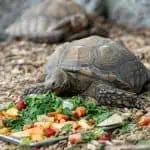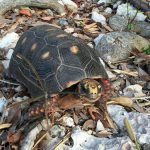
“Land turtle” usually means a box turtle or a tortoise, and their diets differ. Box turtles are omnivores that eat worms, slugs, insects, berries and greens. Tortoises are mostly plant eaters that need grasses, weeds and leafy greens.

Box Turtles
In the wild, box turtles eat earthworms, slugs, snails, beetles, caterpillars, mushrooms, berries and fallen fruit. Young box turtles eat more animal food, while adults eat a more even mix of plants and protein.
- Protein: earthworms, crickets, dubia roaches, snails and slugs from pesticide-free sources.
- Greens and veggies: dandelion, collards, mustard greens, squash and shredded carrots.
- Fruit: berries, melon or apple in small amounts a couple of times a week.
- Pellets: a quality box turtle or omnivorous reptile pellet as a nutritional backup.
Tortoises
Most tortoises are grazers. Feed mostly grasses, hay and safe weeds such as dandelion, plantain and clover, plus leafy greens. Fruit should be a small treat. High-protein foods like dog food or lots of meat can cause shell and kidney problems in tortoises, so skip them.
See our guides on flowers and plants for tortoises and fruits tortoises can eat.
Calcium and Light
All land turtles need calcium and UVB (or safe natural sunlight) to keep their shells and bones strong. A cuttlebone or calcium powder, used as your reptile vet recommends, helps cover calcium needs. Soft or lumpy shells need a vet visit.
Foods to Avoid
- Processed human food, dairy and bread.
- Spinach and other high-oxalate greens as daily items.
- Toxic plants such as azalea, buttercup and rhubarb leaves.
- Wild-caught insects or plants from sprayed lawns.
Bottom Line
Know whether you have a box turtle or a tortoise, then feed accordingly: omnivore mix for box turtles, mostly greens and grasses for tortoises. Keep food fresh, supplement calcium wisely, and provide proper lighting.
General information, not veterinary advice. Ask a reptile vet about your animal’s species-specific needs.