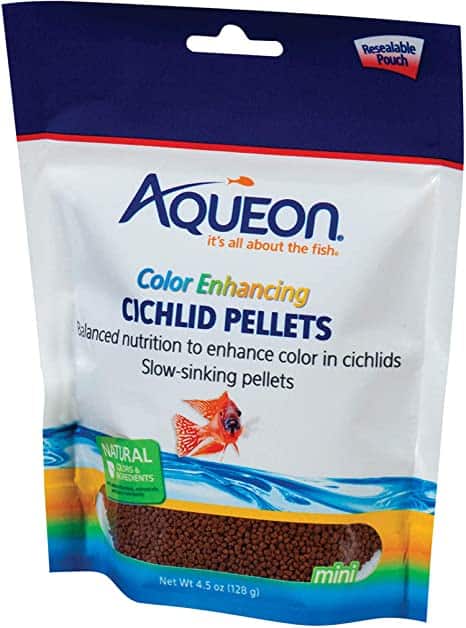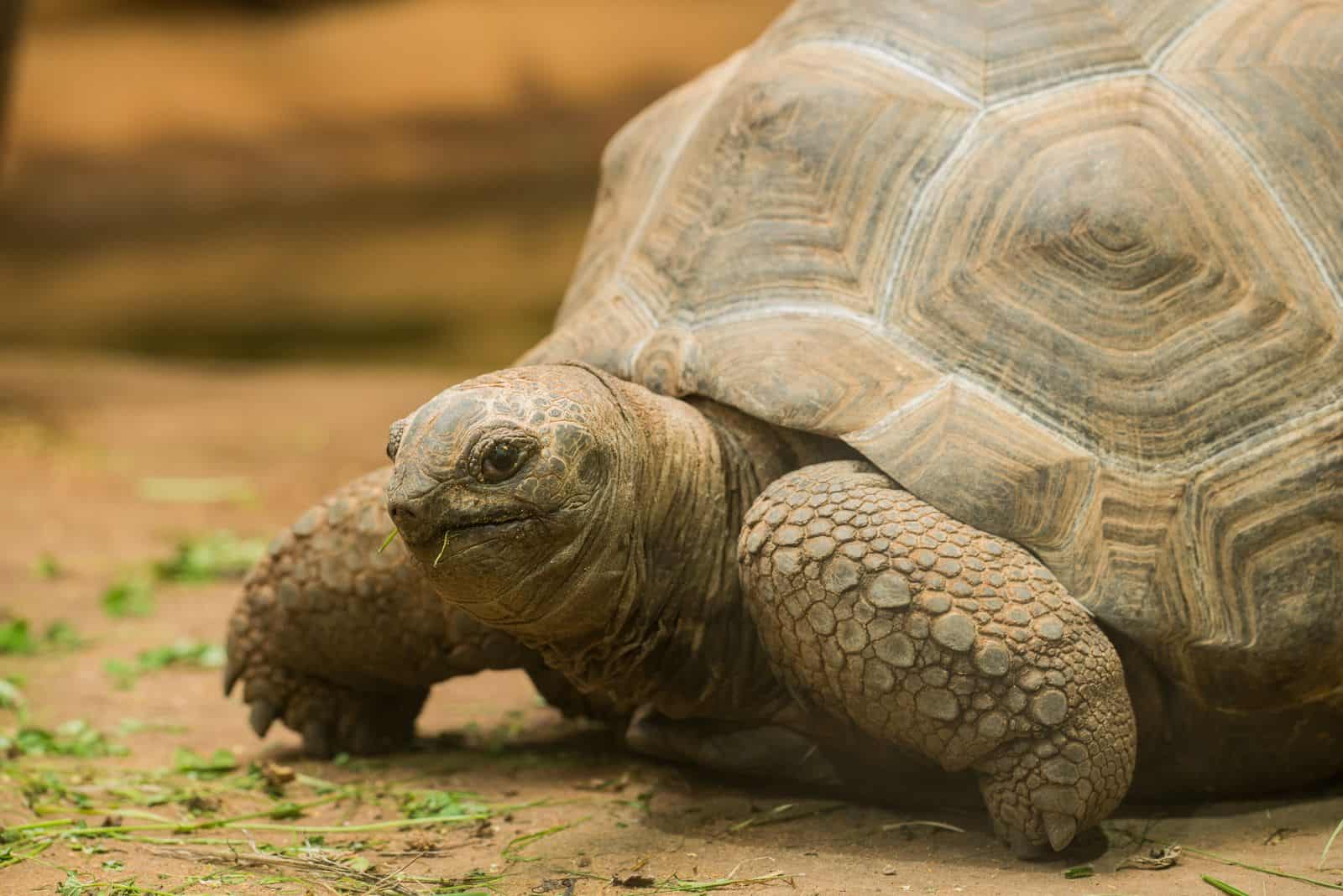
Pretty Pets (the Pretty Bird brand) makes a pelleted tortoise food, but it is not a good everyday staple. Most pet tortoises do best on grass, hay, and safe leafy weeds, with pellets as a small extra at most.

What Is in Pretty Pets Tortoise Food?
The large tortoise formula is a corn, wheat, oat, and soybean-based pellet. The label lists roughly 8% protein, 3% fat, and 13% fiber. The mix also includes molasses, added vitamins and minerals, and yucca extract.
That ingredient list looks more like livestock or pet-bird feed than the grass-and-weed diet wild tortoises eat. Grains, soy, and molasses add starch and sugar that grazing tortoises are not built to handle. Check the current label on the bag before buying, because formulas can change.
Is It Safe for Tortoises?
An occasional pellet will not hurt most healthy adults. Feeding it as the main food is a problem. Too much protein, starch, and sugar is linked to fast growth, a lumpy “pyramided” shell, digestive upset, and kidney strain in plant-eating species.
Many reptile keepers prefer a grass- or hay-based pellet made for tortoises, such as Mazuri Tortoise Diet, because it has more fiber and less starch.
A Better Daily Diet
- Grass and grass hay: the base for sulcata, leopard, Hermann’s, and Russian tortoises.
- Safe weeds and leaves: dandelion, plantain, clover, hibiscus, and spineless prickly pear pads.
- Dark leafy greens: collard, mustard, and turnip greens, plus endive and escarole.
- Fruit: a rare treat only, because of the sugar. Red-footed tortoises tolerate a bit more.
Avoid tomatoes as a regular food, and skip dog food, cat food, bread, and dairy. Never feed plants that may have been sprayed with chemicals.
If You Do Feed Pellets
- Pick a pellet with grass or hay as the first ingredient and no added sugar or dyes.
- Soak the pellets in warm water for a few minutes so they soften and add hydration.
- Offer them once or twice a week next to fresh greens, not instead of them.
- Remove leftovers within a few hours.
Calcium, UVB, and Water
Calcium and UVB light work together. Lightly dust food with a calcium powder a few times a week and give real sunlight or a good UVB lamp. Keep a shallow dish of fresh water out and soak young tortoises regularly.
More Tortoise Feeding Guides
Bottom Line
Skip Pretty Pets tortoise food as a staple. Build the diet on grass, hay, and safe weeds, use a soaked grass-based pellet as a backup, and keep fruit rare. If your tortoise stops eating, has a soft shell, or has swollen eyes, call a reptile-savvy vet.
This article is general information, not veterinary advice. Talk to a reptile vet about your tortoise’s needs.