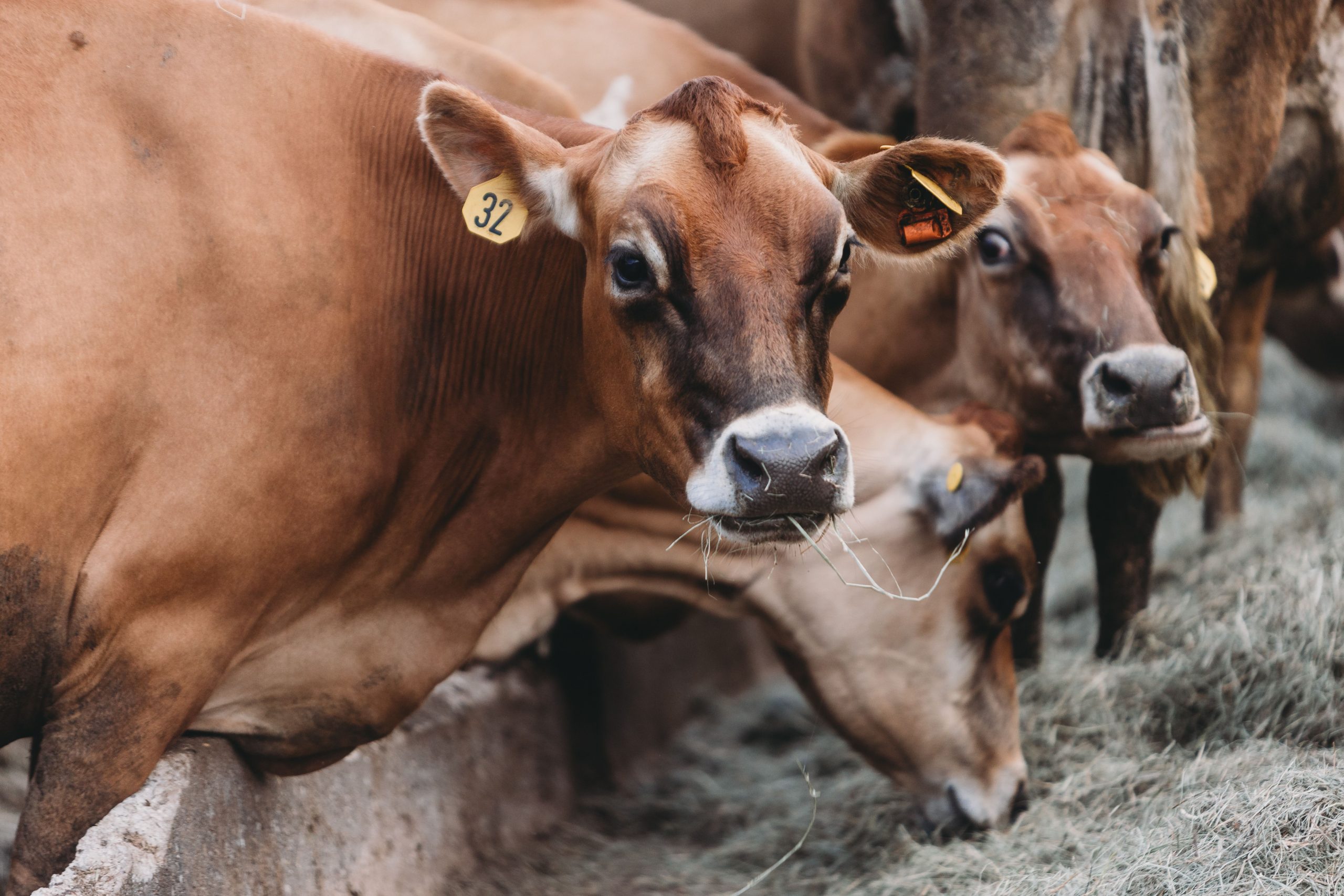
Short answer: corn silage is often 30 to 50 percent of a lactating dairy cow’s ration dry matter, which can mean roughly 45 to 70 pounds as-fed per cow per day for a mature Holstein. The right amount for your herd depends on the silage’s dry matter, the cow’s milk production and the rest of the ration, so have a nutritionist balance it.

Why dairies feed corn silage
Corn silage is made from the whole chopped corn plant, fermented to preserve it. It is high in energy from starch and digestible fiber, it is usually cheaper per unit of energy than hay and it is easy to mix into a total mixed ration (TMR). It is low in protein and in some minerals, so it never works alone.
How to work out the amount
- Find the silage dry matter (DM). Corn silage is commonly 32 to 38 percent DM. Test it, because moisture changes with harvest conditions.
- Decide the dry matter target. A lactating Holstein may eat 45 to 55 lb of DM per day in total. If corn silage should supply about 40 percent, that is roughly 18 to 22 lb DM.
- Convert to as-fed. Divide by the DM fraction. 20 lb DM at 35 percent DM is about 57 lb as-fed.
Dry cows, heifers and smaller breeds eat less. A growing 500 lb heifer might get only a few pounds of silage DM, mixed with hay and a balanced concentrate.
What to balance with it
- Protein: soybean meal or another protein source, because corn silage is low in crude protein.
- Minerals: calcium and a balanced dairy mineral mix.
- Forage fiber: some long hay or haylage so cows keep chewing and produce enough saliva.
Things that affect how well it feeds
- Kernel processing: well-processed kernels let cows digest the starch.
- Chop length: too fine increases acidosis risk, too long increases sorting.
- Maturity at harvest: very wet or very dry silage changes both feed value and storage quality.
- Drought corn: may be higher in nitrate, so test it.
Safety tips
Introduce silage gradually, discard moldy or spoiled silage and keep the feed face clean and tight to limit spoilage. Moldy or poorly fermented silage can cause serious illness. If cows go off feed, have loose manure or show a drop in milk, call your veterinarian.
Related reading
See how much silage to feed cows, how much alfalfa to feed a cow and feeding brewers grains to cattle.
Bottom Line
Think in dry matter, test your silage, balance it with protein, minerals and long fiber, and bring in a livestock nutritionist or your vet for the exact ration. That keeps cows productive and avoids costly digestive problems.