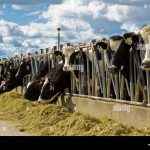
Wheat can be an excellent source of energy for cattle. However, it should be fed with caution to prevent digestive upsets.

A Missouri study has demonstrated the nutritional benefits of wheat silage for beef cattle. It can serve as an effective alternative to corn silage during drought conditions.
Wheat should be dry-rolled and ground as coarsely as possible to minimize the number of fine particles present in the grain. Steam flaking can also be an advantageous feeding technique when mixed with other grains such as haylage or corn meal, to further enhance nutrition and flavor.
Protein
Protein is an essential nutrient for growth, milk production, reproduction and health. Lack of protein in the diet can lead to compromised performance which in turn lowers productivity and profitability for beef herds.
Protein requirements require a high-quality source of feed free from contaminants like herbicides and insecticides. If these contaminants are present, it can lead to poor ration quality, weight gain issues, low BCS values and reduced ruminal parameters (see BEEF040).
Wheat boasts an excellent CP and RUP content, making it more digestible than corn or barley grains. However, it should be noted that wheat contains less rumen degradable protein (RDP) compared to its corn- and barley-grain counterparts.
Therefore, providing a protein supplement in the form of wheat bran or flour when feeding wheat to beef cattle is essential. Not only does this supply essential proteins and amino acids for growth, but it also helps ensure an even diet.
Energy
Wheat is an ideal energy source for beef cattle, but can often lead to overconsumption, founder and acidosis when used in high concentrate diets. To reduce these issues, adjust wheat rations gradually while providing plenty of roughage at first.
When wheat is the sole grain fed, it should make up no more than 40-50% of the dry matter in the diet. Combining wheat with other grains such as corn or silage helps minimize overconsumption and enhance performance by helping to enhance nutritional value.
Feeding wheat to beef cattle requires careful management of their feed. Limiting wheat intakes, providing plenty of roughage, feeding a total mixed ration and including ionophores to reduce acidosis in finishing ruminants have all been demonstrated as beneficial practices.
When extra energy is necessary, opt for highly digestible sources like soyhulls, wheat bran or wheat middlings.
Fiber
Wheat is an excellent source of dietary fiber. It contains soluble dietary fiber (fructans, pectans and galactans) as well as some non-soluble types.
Studies have demonstrated that high fiber intake can boost milk production and enhance meat quality, while cutting costs associated with waste disposal. Furthermore, adding fiber may reduce the risk of acidosis, bloat, hoof problems, and other digestive ailments in beef cattle.
When feeding wheat, it’s best to use a coarsely ground or rolled product instead of finely chopped pieces. Chopping too short or finely can damage the rumen wall and increase acidosis and bloat in cattle.
Feeding wheat to cattle should begin in small amounts and gradually increase until intakes become consistent. Cattle can easily become overfed on a wheat-based diet due to their sensitivity to changes in energy density of their food sources.
Digestibility
Wheat is one of the top sources of protein for beef cattle, higher than corn, with about 3.0 to 3.5 Mcal ME (Megacalories of Metabolizable Energy) per pound of grain fed.
Wheat has a high degradability and can replace up to 50% of corn in a diet if processed and fed slowly. Utilizing buffers like limestone in the ration, restricting wheat to no more than 30% of total diet, and mixing in other grains such as silage or haylage will help reduce the risk of bloat, founder, and acidosis.
Wheat should be rolled, not ground, to reduce fines that could negatively affect digestibility. K-State research has demonstrated that steam rolling wheat to a density of 36 to 39 pounds/bushel reduces wheat starch digestion in the rumen and improves animal performance.