Pond goldfish feed on many things in their natural environment, such as tadpoles, zooplankton and insect larvae. They also enjoy eating vegetables such as leafy greens and zucchini slices.

Experiments have demonstrated that feeding goldfish and koi with diets rich in wheat germ can aid their rapid development, improving blood circulation to allow more oxygen and nutrient flow, as well as promote balanced growth.
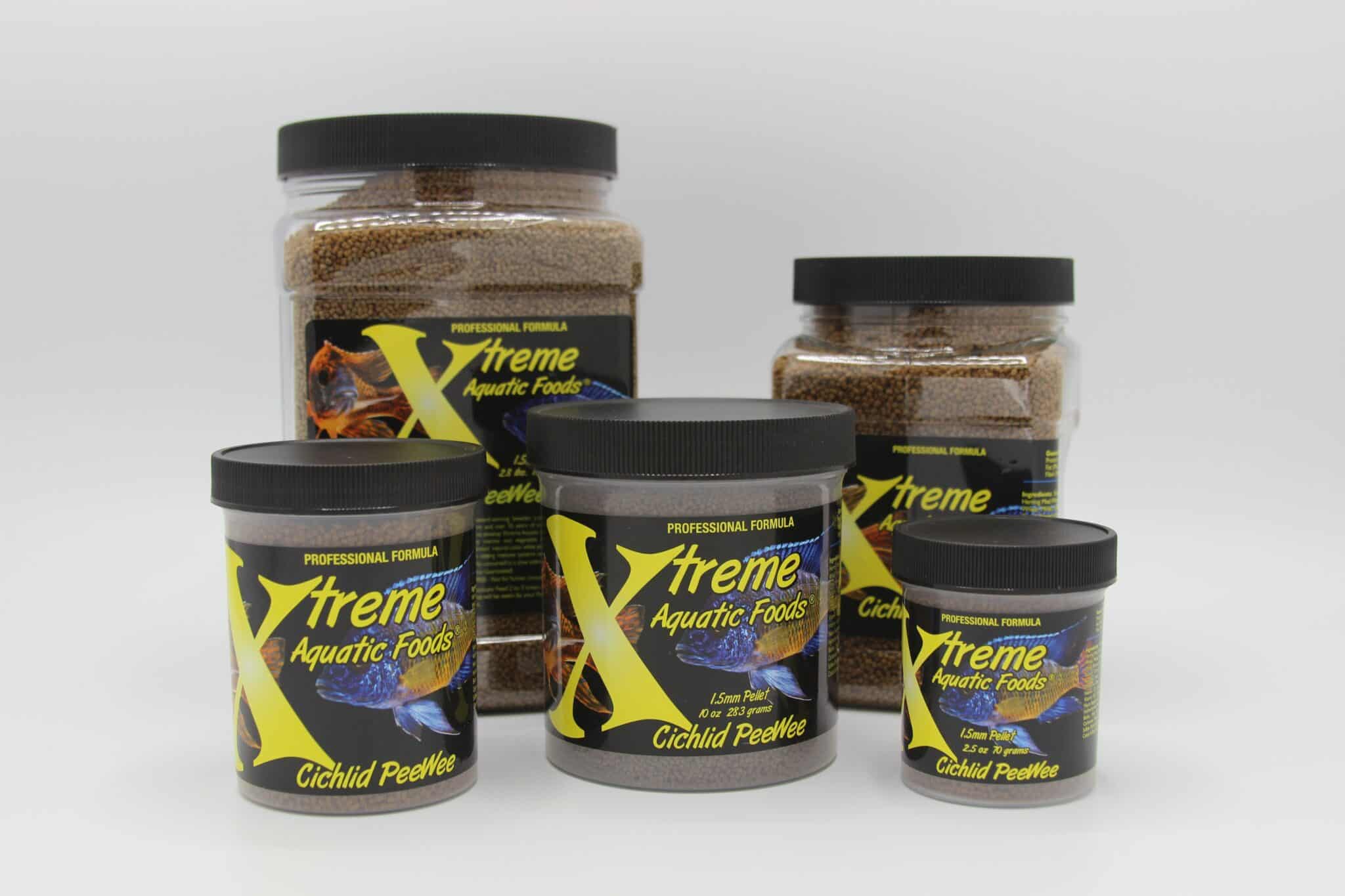
Xtreme Spirulina Flakes
Goldfish feed on plant matter, decaying animal remains and algae found in their pond environment. As treats they also enjoy store-brought pellet foods or live or freeze-dried bloodworms or brine shrimp treats.
Summer and spring require them to receive additional protein from food like Xtreme Spirulina Flakes which comes in pellet form to facilitate their development and growth. Feed them 2-4 times daily.
As the temperatures cool down, a fish’s metabolism slows and their feeding should become less frequent; approximately once or twice daily using low-protein food like Legacy Cold Weather Food or Hikari Koi Food. Once temperatures continue to drop, you should gradually stop feeding altogether, as their bodies naturally switch into hibernation mode for winter; this will prevent fattening or sickening from eating too much that they cannot process properly; doing it gradually is best to avoid lethargic or unhealthy fish.
Hikari Algae Wafers
Hikari Algae Wafers have been designed specifically to meet the nutritional needs of plecostomus and other algae-eating fish, providing an ideal combination of premium-select ingredients which promote proper growth and desirable form in herbivorous species. Their diet contains high levels of vegetable proteins for proper development as well as an extra color boost provided by cultured spirulina and chlorella algae cultures.
These disc-shaped wafers sink quickly to the bottom of your tank, making it easy for plecos and other herbivorous fish to find them. Constructed of compressed vegetable matter and multiple algae strains and fortified with vitamins such as Vitamin C, they don’t disintegrate as quickly compared to other food items and therefore allow your plecos to snack all day long on leftover pieces in your substrate.
Saki-Hikari also makes an excellent food option, specifically designed to meet the needs of blood parrot cichlids but equally suitable for goldfish. It contains protein-rich sources like fish meal, wheat germ and alfalfa as well as color enhancing ingredients like marigold flowers, chili pepper, phaffia yeast spirulina astaxanthin canthaxanthin lutein as well as rich in fiber and roughage content – perfect for optimal fish health!
Floating Foods
Goldfish can obtain most of their sustenance from their environment; however, for an optimal diet it’s a good idea to provide store-bought pellet or flake foods several times each week for maximum balance and optimal growth. Doing this allows you to do headcounts and health checks as you watch them feed from the surface and provide opportunities for headcounts/checkups/health checks on all goldfish species in your pond; just ensure that any uneaten food doesn’t pollute the water!
Some pet stores also sell high-protein pond food designed specifically for goldfish and other warm-water fish, like Hikari Algae Wafers with an abundant array of proteins like Xtreme Spirulina Flakes which is rich in proteins, iron, fatty acids, vitamins and minerals; or Hikari Algae Wafers that provide an even mix of algae such as Spirulina Seaweed Alfalfa Wafers to give your aquatic friends all of the nutrition they need.
Vegetables
Add veggies to a pond goldfish’s diet in order to strengthen it and prevent blockages, bloat and swim bladder disease. Canned green beans, zucchini slices and leafy vegetables such as spinach or lettuce provide crucial fiber.
Pond goldfish, being descendants of carp, are omnivores and enjoy eating the same diet as their wild cousins. They forage for aquatic plants like water sprite and green algae underwater before snacking on insects, crustaceans, tadpoles and zooplankton for sustenance.
As temperatures become colder, goldfish’s metabolism rates begin to slow. We suggest offering them high-protein food such as Hikari Gold Koi Food specifically designed for cold-water pond fish. These floating pellets contain less fat and will help your goldfish achieve superior body condition without compromising water quality.