Omega-3 chicken feed is a complete layer feed with an added omega-3 source, usually flaxseed, so the eggs your hens lay carry more omega-3 fatty acids than a standard egg. It is worth buying if you want enriched eggs and your hens are already laying; it does nothing special for chicks, growers or roosters.

What omega-3 feed actually does
Hens deposit some of the fats they eat into the egg yolk. When the ration includes a plant source of omega-3 (ALA), the yolk picks up more of it. Purina, the best-known maker, says eggs from hens fed Layena Plus Omega-3 as their only feed for at least three weeks average about 250 mg of omega-3 per large egg. Purina’s own pages put a typical egg at roughly 50 to 65 mg, so treat the exact comparison as a ballpark rather than a lab promise. Results also depend on the hen’s health and everything else she eats.
Purina Layena Plus Omega-3
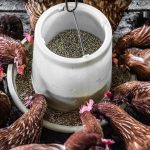
This is a pelleted or crumbled complete layer feed, so it already includes the calcium and protein a laying hen needs. Because it is complete, it should be the bulk of the diet. Purina’s claim only holds when the feed is fed exclusively, which means no large amounts of scratch, kitchen scraps or other mixes diluting it.
- Who it is for: hens that have started laying, usually around 18 to 20 weeks of age.
- How long until eggs change: plan on at least three weeks of exclusive feeding.
- Who should skip it: chicks and growing pullets need a starter or grower feed, and the extra calcium in layer feed is not right for them.
Other ways to add omega-3
If you prefer to keep your regular layer feed, you can add a measured amount of whole or ground flaxseed, or a liquid omega-rich supplement. Keep the add-ons small. Treats and extras should stay under roughly 10 percent of what the flock eats, or they will throw off the balance of the complete feed. Our guide to supplements in chicken feed covers what is worth adding and what is not, and our Kickin’ Chicken review looks at one popular liquid option.
How to choose a feed
- Check that the bag says it is a complete layer feed for laying hens.
- Look for the omega-3 or flax claim on the tag, then read the guaranteed analysis for protein (commonly 16 percent for layer feed) and calcium.
- Pick pellets or crumbles over loose mash if your hens waste a lot; our pellet vs crumble comparison explains the difference.
- Read the ingredient basics for commercial chicken feed if the label is hard to follow.
Is it worth the extra cost?
Omega-enriched feed usually costs more than a standard layer feed. If your main goal is healthy, productive hens, a good standard layer feed plus fresh water and grit does the job. Pay extra for omega-3 only if you or your customers specifically want the enriched eggs.
Bottom Line
Omega-3 chicken feed raises the omega-3 content of eggs when it is fed as the main diet to laying hens for a few weeks. Choose a complete layer feed with a clear omega-3 claim, keep treats small, and keep chicks and growers on their own feeds. If your flock stops laying, loses weight or acts sick, call a poultry-experienced vet.