If you have run out of your usual catfish food, safe short-term alternatives for aquarium catfish include blanched vegetables like zucchini and cucumber for plant-eating species, and frozen shrimp, bloodworms, or sinking pellets for meat-eating species. Match the substitute to the fish, because catfish diets differ a lot.

First, Which Kind of Catfish?
- Plant-leaning catfish: Plecos and bristlenose plecos need vegetables, algae, and wood.
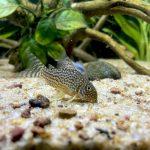
- Omnivores: Corydoras and similar small catfish eat sinking pellets, frozen foods, and small live foods.
- Predators: Large catfish like redtails or pictus eat fish, shrimp, and meaty pellets.
Alternatives for Plant-Eating Catfish
Blanched zucchini, cucumber slices, spinach, kale, and shelled peas work well. Weigh a slice down or use a veggie clip, and remove it after about a day so it does not rot. See the bristlenose pleco food list.
Alternatives for Omnivores
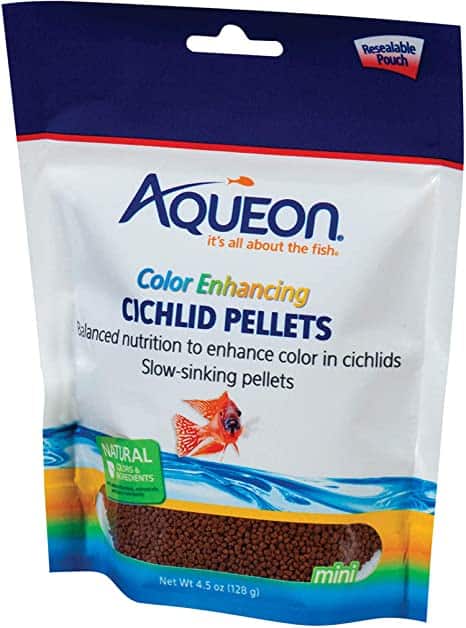
Crushed flakes, frozen daphnia or bloodworms, and small bits of unseasoned cooked shrimp are all fine. Sinking foods are best so the fish can reach them. For ideas see sinking tropical fish food.
Alternatives for Predatory Catfish
Raw, unseasoned shrimp, krill, earthworms, and chunks of thawed fish suit large catfish. Avoid fatty mammal or chicken meat and avoid cheap feeder fish that can carry disease.
Foods That Are Not Good Substitutes
- Bread, crackers, or anything seasoned or salted
- Large amounts of fatty meat
- Pet food made for cats, dogs, or birds
Fasting Is Fine for a Day or Two
Healthy adult aquarium catfish can go a day or two without food while you get supplies. Do not overfeed to make up for it.
Bottom Line
Pick a substitute that fits your catfish type: vegetables for plecos, sinking pellets or frozen foods for omnivores, and shrimp or fish for predators. Keep portions small and remove leftovers.