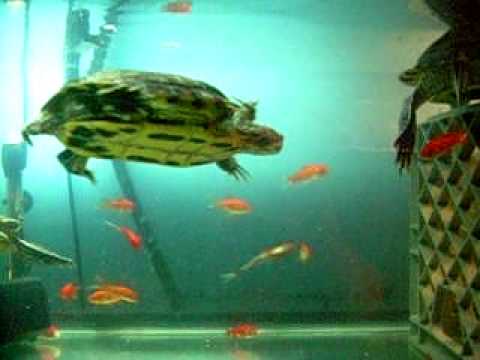
Vitamin A is vital for healthy skin, mucous membranes and organs such as kidneys. If turtles do not consume enough Vitamin A, hypovitaminosis A occurs.

This issue most frequently arises in semi-aquatic turtle species like box turtles and red eared sliders fed a diet high in iceberg lettuce from bargain brand brands, while it can also impact carnivorous turtles fed live whole fish along with commercial pellets from well-known brand names.
Contents
Symptoms
Vitamin A is used by our bodies to form healthy skin, mucous membranes, organ ducts (such as kidneys or salivary glands) and tissues like kidneys or salivary glands. An insufficient intake can result in squamous metaplasia – an abnormal thickening and growth of tissue which disrupts normal functioning, often by blocking fluid flow through organ ducts – most frequently seen among young semi-aquatic turtles or box turtles aged over six months old, but not so frequently among tortoises who regularly receive an adequate supply of vegetables rich in this nutrient.
Signs of Vitamin A deficiency in turtles include puffy eyes, thinned-out skin and, in severe cases, skin sloughing that exposes raw areas prone to ulceration. Sometimes respiratory issues arise which result in constant nasal discharge or runny nose; when this happens owners should consult with a veterinarian immediately as he or she will likely recommend a nutritionally balanced diet tailored specifically to your species and food preferences plus vitamins A supplements either orally or via injection for severe cases.
Diagnosis
If your turtle’s eyes appear swollen or they have difficulty opening and closing them, seek medical assistance right away. A veterinarian will conduct a physical exam as well as ask about its history and current care – you must provide details such as food consumed daily as well as supplements taken.
A vet will conduct an initial examination on your turtle to detect any health problems, and may conduct blood or culture tests in order to ascertain any bacterial infections he might be harboring. They’ll also assess its diet in order to ascertain if there are inadequate levels of Vitamin A being consumed or whether there’s been some sort of illness which prevents him from absorbing vitamins properly.
Protecting your turtle against vitamin A deficiency by offering him a balanced and complete diet is of utmost importance. This may involve offering leafy greens, carrots and other orange-colored vegetables, mealworms or insects as live food items, name brand turtle pellets as well as fish for carnivorous species.
Treatment
turtles lacking adequate vitamin A levels often produce too much keratin, leading to symptoms including eye irritation, ear abscesses (ear infections) and squamous metaplasia (an abnormal growth of squamous cells that blocks their eustachian tubes and inner ears). Your veterinarian may recommend blood tests in order to rule out possible bacterial infection as well.
In severe cases, vets may administer a Vitamin A injection (hypovitaminosis A). However, this should only be done as a last resort; too much vitamin A could be harmful to reptiles if given at once.
For optimal turtle health, ensure their diet contains plenty of leafy green vegetables such as kale which is abundant with Vitamin A. Also provide plenty of sunlight so they can produce Vitamin D3 – another key nutrient essential for bone health. Providing cooked carrots, sweet potatoes or squash once every week as additional nutritional support could also prove helpful.
Prevention
As with many reptile health issues, prevention is always preferable to treating symptoms posthaste. Box turtles can avoid Vitamin A deficiency by receiving a balanced diet that includes plenty of leafy green vegetables (excluding iceberg lettuce ) as well as different sources of protein such as whole insects, hamburger meat or live whole fish.
Box turtles found in the wild receive plenty of Vitamin A through their natural diet, which consists of fruits, vegetables, algae, and meats that they select for themselves to consume. Retinoids and provitamin A carotenoids provide preformed forms of this nutrient.
Vitamin A deficiency often results from poor diet in captive reptiles. A balanced diet should include name brand turtle pellets, meats, whole live fish, fruits and vegetables containing leafy greens such as lettuce. Supplementing this with some calcium (usually from reptile powder or crushed cuttlebone) and Vitamin A injections from your veterinarian typically corrects and prevents more serious side effects like eye infections and ear abscesses.