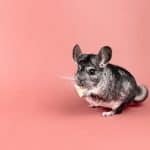
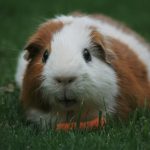
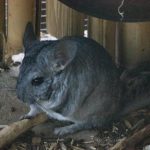
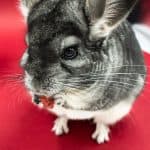
Guinea pig food is not a good everyday choice for chinchillas. Both are herbivores, but guinea pig pellets are formulated for an animal that needs added vitamin C, while chinchillas make their own vitamin C and do best on plain, high-fiber hay with a measured amount of chinchilla pellets.

Why the Foods Are Not Interchangeable
Guinea pig pellets are usually fortified with vitamin C and may contain more calcium than chinchillas need. They can also contain added seeds, dried fruit, or colored pieces in some mixes. Chinchillas have sensitive digestive systems and can get bloat or diarrhea when they eat rich or sugary foods. A single mouthful will not usually hurt, but it should not become routine.
What Chinchillas Should Eat
- Hay: unlimited grass hay such as timothy, which should make up most of the diet and wears down their constantly growing teeth.
- Pellets: a measured amount of plain, high-fiber chinchilla pellets, usually a tablespoon or two per day depending on the product directions.
- Water: fresh water every day.
- Treats: very small amounts, such as a plain rose hip, a piece of unsweetened shredded wheat, or a dried herb. Keep fruit, nuts, and seeds rare.
What About Guinea Pig Hay?
Plain timothy or orchard grass hay sold for guinea pigs is fine for chinchillas. It is the pellets and mixes that differ. Avoid alfalfa-heavy hay as a regular food for adult chinchillas, since it is richer in calcium and protein.
If Your Chinchilla Ate Guinea Pig Food
A small amount is unlikely to cause problems. Go back to normal food, watch droppings, and call your vet if your chinchilla stops eating, has soft stools, or seems bloated.
Bottom Line
Stick with hay and chinchilla pellets, and keep treats tiny. Do not use guinea pig food as a regular substitute.
General information only, not veterinary advice. A vet who treats exotic pets can give advice for your chinchilla.
Related: What Food Do Chinchillas Eat?, What Can You Feed Guinea Pigs?, and Chinchilla Food Cost Tips.