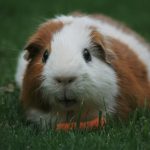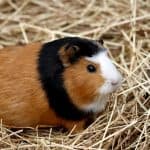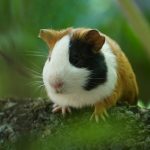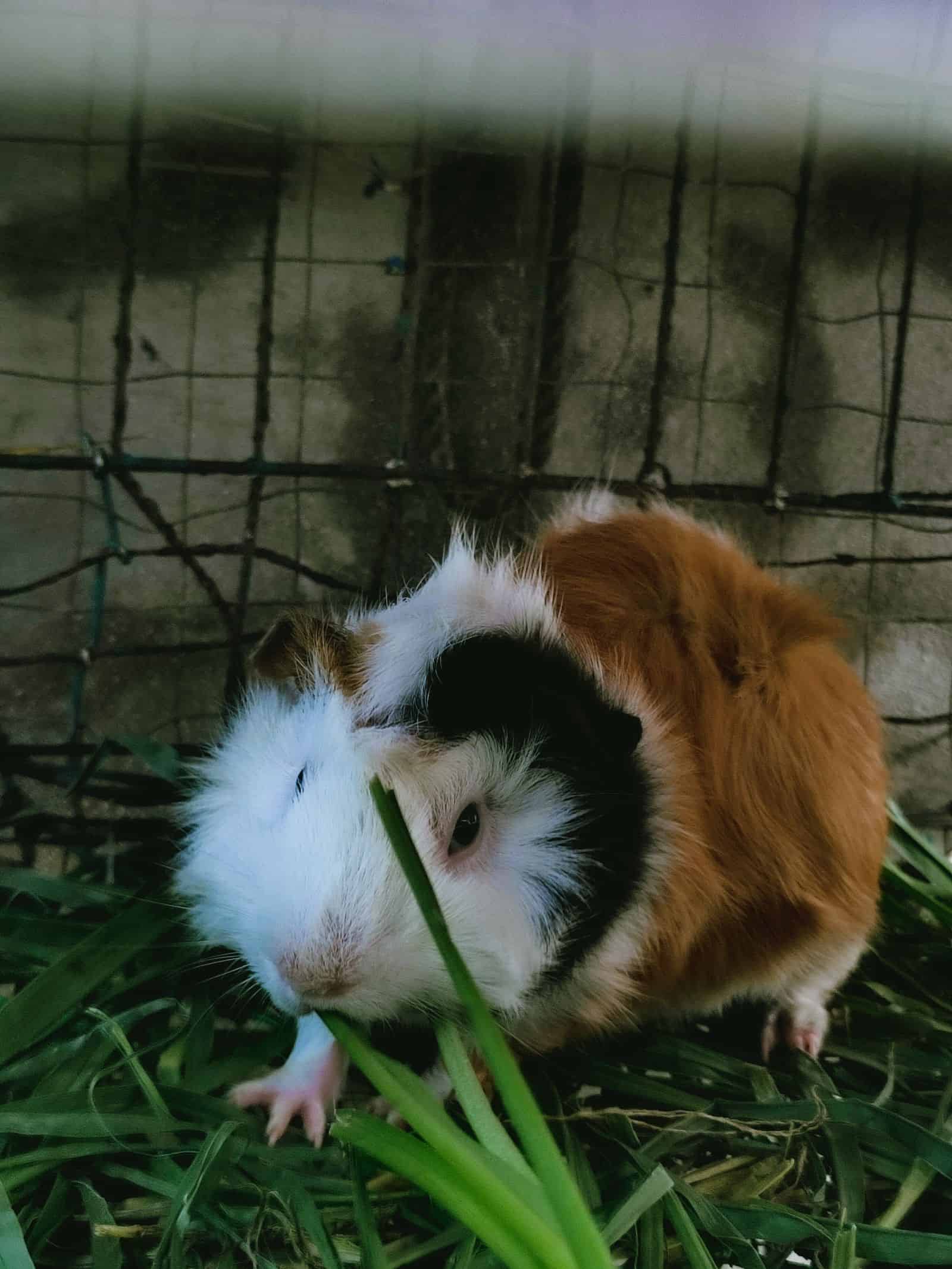
Yes, guinea pigs can eat alfalfa, but it is not the right everyday hay for most adults. Alfalfa is rich in protein and calcium, which is great for babies, pregnant sows, and nursing mothers, and too much for a healthy adult guinea pig, where the extra calcium can contribute to bladder stones.

This guide covers alfalfa hay and alfalfa-based pellets, who should eat them, and how to move your guinea pig to a grass-hay diet when the time comes.
Alfalfa vs. Grass Hay
Alfalfa is a legume, not a grass. That is why it behaves differently from timothy or orchard grass hay.
- Alfalfa: higher in protein, calories, and calcium. Leafy, soft, and very tasty.
- Timothy, orchard, and meadow hay: higher in fiber, lower in calcium and protein. Better for steady, lifelong chewing.
Because alfalfa is so appealing, many guinea pigs will pick it over grass hay if both are offered. That can turn into a picky-eater problem later on.
Who Should Eat Alfalfa?
Good candidates
- Young guinea pigs that are still growing, generally until around six months old.
- Pregnant and nursing sows, who need extra calcium and calories.
- Underweight or recovering guinea pigs, but only when a vet recommends it.
Usually not a good fit
- Healthy adults that are not pregnant or nursing.
- Guinea pigs with a history of bladder or kidney stones or sludgy urine.
- Overweight guinea pigs.
Alfalfa Pellets
Alfalfa-based pellets follow the same rules as alfalfa hay. They are typically sold for growing or breeding animals. Adult guinea pigs generally do better on timothy-based pellets with added vitamin C. Whichever pellet you choose, keep portions small, since hay should make up most of the diet.
Many “rabbit” pellets are alfalfa-based and do not contain the vitamin C that guinea pigs need, so they are not a good substitute. Look for pellets made specifically for guinea pigs.
How to Switch From Alfalfa to Grass Hay
- Start when your guinea pig is fully grown, or when your vet says the nursing period is over.
- Mix a little timothy or orchard hay into the usual alfalfa.
- Every few days, add a bit more grass hay and a bit less alfalfa.
- Within two to three weeks, grass hay should be the main hay.
- Watch appetite and droppings. If either changes, slow down.
If your guinea pig refuses the new hay, try a different grass hay, such as orchard grass, which is softer and often more appealing.
Signs of Too Much Calcium
Call your vet promptly if you notice any of these:
- Straining to pee, or peeing small amounts often
- Blood in the urine
- Cloudy, thick, or chalky urine
- Hunched posture or crying out when urinating
- Loss of appetite
Bladder stones are painful and usually need veterinary treatment.
More Reading
For a broader look at hay choices, read our guide to hay for guinea pigs. For the full daily menu, see what guinea pigs eat.
Bottom Line
Alfalfa is a useful food for growing, pregnant, and nursing guinea pigs, but healthy adults should eat mostly timothy, orchard, or other grass hay. Offer unlimited grass hay, a small portion of plain guinea pig pellets, fresh vegetables, and vitamin C every day.
This article is general information, not veterinary advice. Talk to a vet who treats exotic pets about your guinea pig’s diet, especially if it is pregnant, young, or has had urinary problems.