Yes, guinea pigs can eat zucchini. Raw zucchini is low in sugar and low in calcium, so a few small pieces a few times a week make a safe, healthy part of your guinea pig’s vegetable mix.

It isn’t a superfood, though. Zucchini is mostly water and has only a modest amount of vitamin C, so it works best as one veggie in a varied rotation rather than the star of the bowl.
Is Zucchini Good for Guinea Pigs?
Zucchini (also called courgette) is a summer squash with a mild flavor and soft texture that many guinea pigs enjoy. Here’s what makes it a good choice:
- Low in calcium: Guinea pigs prone to bladder sludge or stones do better on lower-calcium veggies, and zucchini fits the bill.
- Low in sugar: Unlike fruit, zucchini won’t add much sugar to the diet.
- Hydrating: Its high water content adds a little extra moisture, which can be helpful in warm weather.
- Some vitamin C: Zucchini contains vitamin C, which guinea pigs must get from food every day, though it has less than bell peppers or leafy greens like parsley.
- Fiber and potassium: Small amounts that support a healthy diet.
Not every guinea pig likes zucchini. If yours sniffs it and walks away, that’s normal. Just try another veggie.
How Much Zucchini Can Guinea Pigs Eat?
Most adult guinea pigs do well with about one cup of mixed fresh vegetables per day, on top of unlimited hay. Zucchini can be part of that cup.
- Serving size: A couple of thin slices or a few small cubes per guinea pig.
- How often: Two to three times a week, rotated with other vegetables.
- First time: Start with one small piece and watch for soft stools or a change in appetite over the next day.
Because zucchini is so watery, feeding a lot of it at once can cause loose droppings. Variety is the goal.
How to Prepare Zucchini for Your Guinea Pig
- Choose fresh zucchini. It should be firm, with no soft spots or mold.
- Wash it well. Rinse under running water to remove dirt and pesticide residue. Organic is a nice bonus but not required.
- Leave the skin on. The skin is safe and holds some of the nutrients. Just wash it.
- Slice into small pieces. Bite-size pieces are easier to eat and easier to portion.
- Serve it raw. Never feed cooked, fried, buttered, salted, or seasoned zucchini.
- Remove leftovers. Take out uneaten pieces within a few hours so they don’t spoil in the cage.
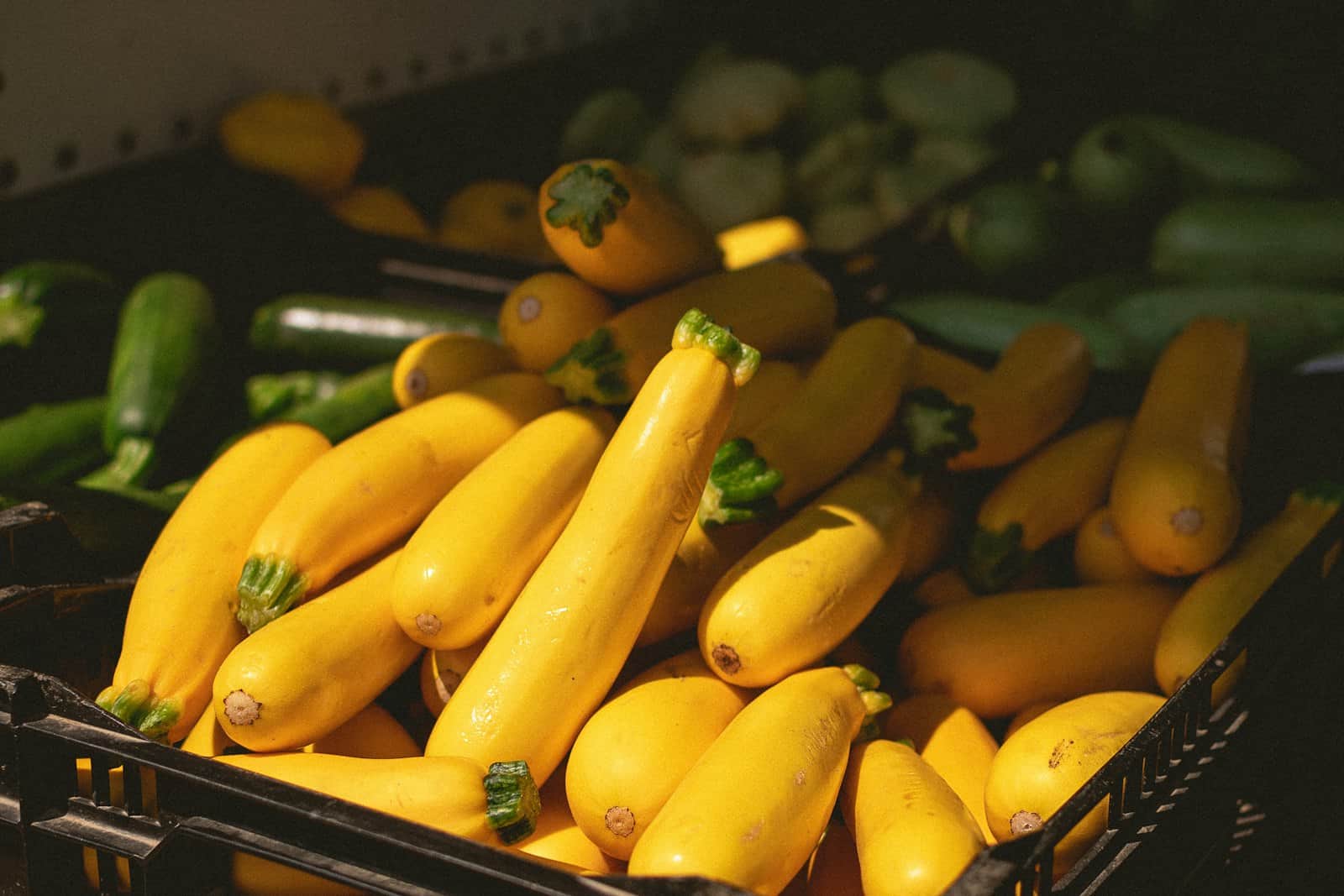
Can guinea pigs eat yellow zucchini?
Yes. Yellow zucchini and other summer squash are similar to green zucchini and can be fed the same way, in small amounts.
Can guinea pigs eat zucchini seeds?
The small, soft seeds inside a young zucchini are fine. If you have a large, overgrown zucchini with tough seeds, scoop them out before serving.
Can guinea pigs eat cooked zucchini?
No. Guinea pigs are built to eat raw plants. Cooking changes the texture and reduces vitamin C, and cooked dishes often include oil, salt, garlic, or onion, which aren’t safe for them.
Better Vegetables for Vitamin C
Since zucchini is only a modest source of vitamin C, pair it with vegetables that pack more:
- Red, yellow, or green bell pepper (see Can Guinea Pigs Eat Red Peppers?)
- Parsley (a few sprigs a few times a week)
- Cilantro
- Romaine or green leaf lettuce
For the full picture of a balanced menu, read our guide on what guinea pigs eat.
Foods to Keep Away from Your Guinea Pig
While zucchini is safe, some common kitchen foods are not. Never feed onions, garlic, chives, potatoes, avocado, rhubarb, chocolate, or processed snacks. Our list of foods that are toxic to guinea pigs covers the rest.
When to Call Your Vet
Contact your vet if your guinea pig has diarrhea that lasts more than a day, stops eating, produces fewer droppings, or seems hunched or lethargic after trying a new food. Guinea pigs can go downhill quickly when they stop eating, so it’s always worth a call.
Bottom Line
Zucchini is a safe, low-sugar, low-calcium vegetable for guinea pigs. Serve it raw, washed, and cut into small pieces, a few times a week as part of a varied veggie mix. Keep unlimited hay as the main food, add vitamin C–rich vegetables like bell peppers every day, and introduce anything new slowly.
This article is for general information only and isn’t a substitute for professional veterinary advice. If you have concerns about your guinea pig’s diet or health, talk to a vet who treats exotic pets.