Pellets are a good foundation for a canary’s diet because every bite has the same balanced nutrition, while a bird eating seed can pick out its favorites and miss vitamins and minerals. Many avian vets suggest pellets or a formulated diet as the main food, with fresh vegetables and a small amount of seed for variety.

Why Pellets Help
Seed mixes tend to be high in fat and low in calcium, vitamin A and some amino acids. Canaries also hull seed and drop the husks, so a full-looking dish can hide an empty one. Pellets are made to be nutritionally complete, which reduces the risk of deficiencies and fatty liver disease, and they are less messy.
How to Switch a Seed-Eating Canary
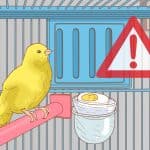
Canaries are creatures of habit, and some will refuse pellets at first. Never stop seed suddenly, because a bird that does not recognize pellets as food can go hungry quickly. Instead:
- Start by mixing a small amount of crushed pellets into the usual seed.
- Over several weeks, slowly raise the pellet share and reduce the seed.
- Offer seed only for part of the day, so the bird is hungry when pellets are available.
- Watch droppings and weight. If the bird eats less, loses weight, or its droppings change a lot, go back a step and talk to an avian vet.
Fresh Foods to Add
Pellets still work best with fresh food. Offer chopped leafy greens most days and small bites of vegetables and fruit (see fruits and vegetables for canaries). During breeding and molt, add protein such as egg food. Provide clean water daily, a cuttlebone for calcium, and a bath a few times a week.
Choosing a Pellet
Look for a product made for canaries and finches, because the pellet size is small enough for their beaks. Check that the ingredient list is clear, avoid heavy artificial colors, and buy a bag you will finish within a few months. Several brands make canary-sized pellets, including Lafeber and ZuPreem. Ask your vet which one suits your bird.
Bottom Line
Pellets give canaries consistent nutrition and are worth trying, as long as you switch gradually and keep adding fresh foods. If your canary refuses to eat or seems unwell during the change, see an avian vet.