What Do Blue Banded Bees Eat?

Blue banded bees eat nectar and pollen from flowers. Learn which plants they visit, how they buzz pollinate, and how to attract these Australian solitary bees to your garden.

Blue banded bees eat nectar and pollen from flowers. Learn which plants they visit, how they buzz pollinate, and how to attract these Australian solitary bees to your garden.
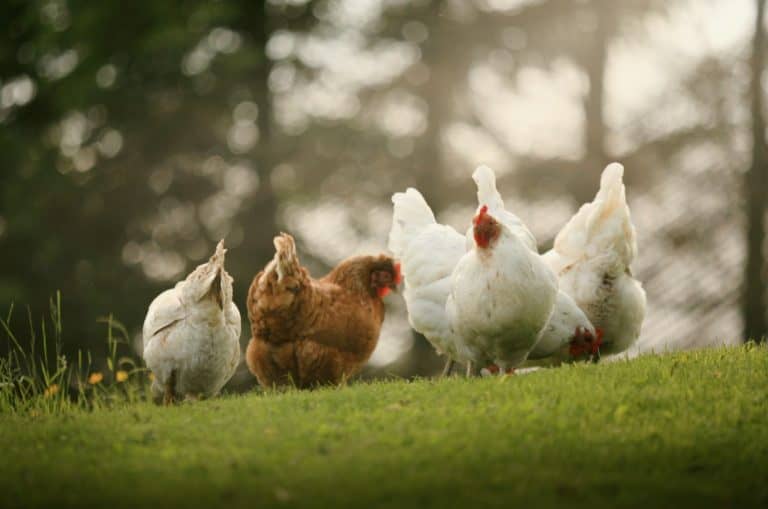
Family Farm Scratch Grains is a treat, not a complete feed. A non-GMO whole-grain layer blend is a full diet. Here is how the two compare and how to use each one with your flock.
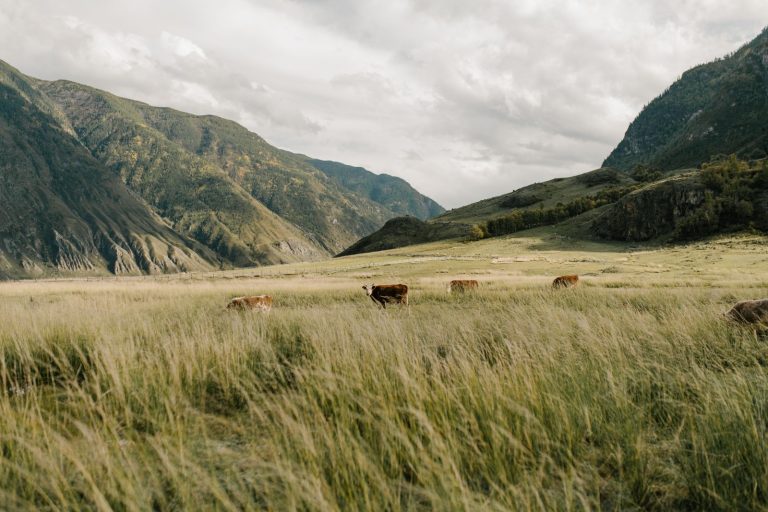
Perennial peanut hay is a high-quality legume forage for cattle in the Southeast. What it offers, how it differs from peanut vines, and the mold risks to avoid.
Pekin ducklings need unmedicated starter crumble with extra niacin, deep-enough water, and a move to grower feed as they grow. Treats are fine in small amounts.
The best cattle finisher feed matches your animal’s size, goal and forage, has a clear tag with crude protein and energy, and is introduced gradually to avoid digestive upset.
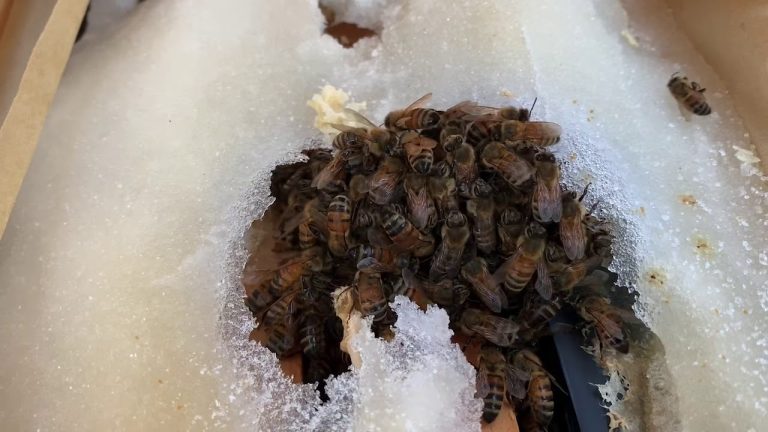
Solitary bees eat nectar and pollen. Here is how adults and larvae are fed, which flowers help, and how to give them a home.
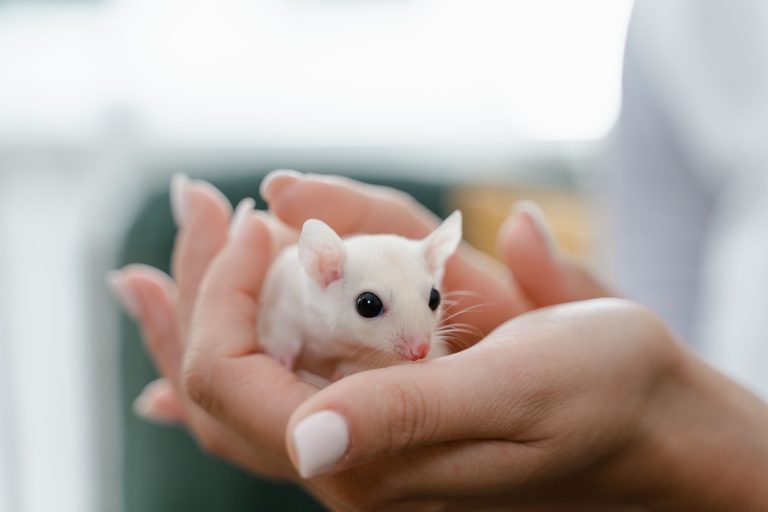
Don’t feed baby mice cow’s milk. Here is what to do for orphaned pups: warmth first, expert help, and a vet-approved milk replacer.
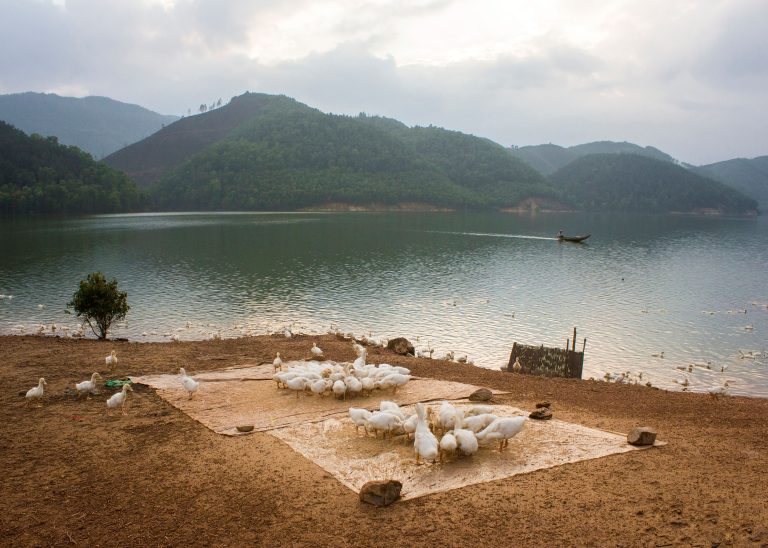
A balanced homemade duck feed starts with a base of grains or poultry feed, adds a niacin source like brewer’s yeast, calcium for layers, and fresh greens. Here are simple mixes and what to avoid.
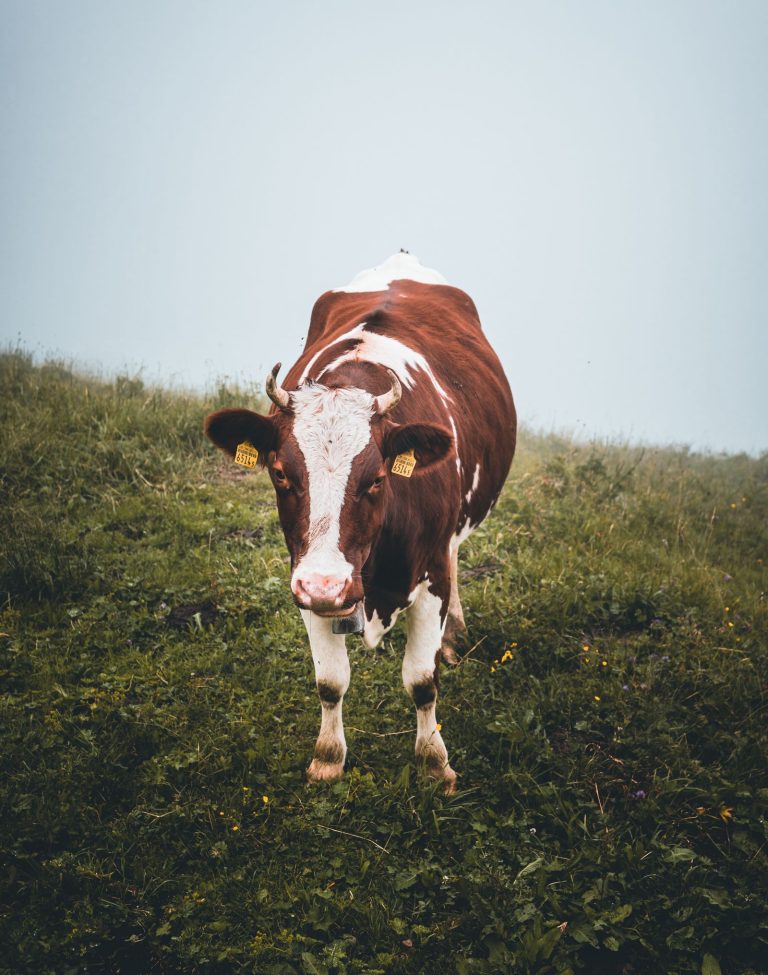
Safe, cheap treats for cows (hay cubes, pumpkin, chopped apples and carrots) and the foods that can make cattle sick, plus how much is too much.
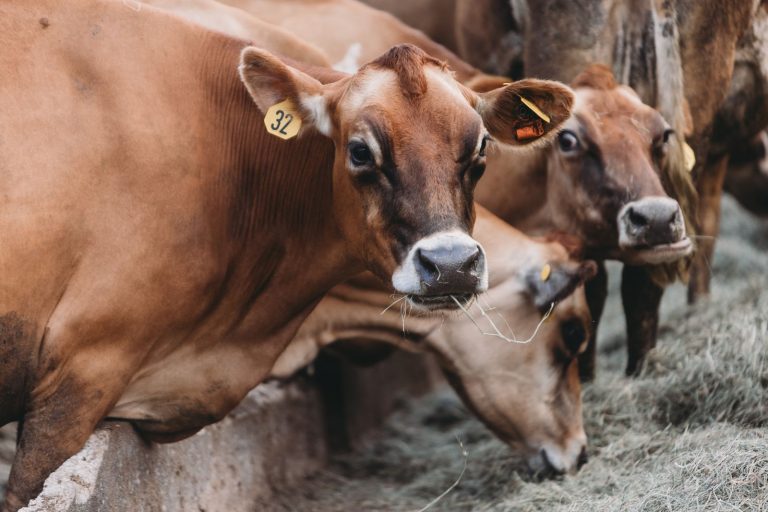
Stabilized rice bran adds fat, fiber and protein to cattle rations, but it is high in phosphorus and can go rancid. Learn how much to feed.