What Can I Feed My Jumping Spider?

Jumping spiders do best on live, appropriately sized feeder insects. Here is what to offer, what to skip, and how often to feed.

Jumping spiders do best on live, appropriately sized feeder insects. Here is what to offer, what to skip, and how often to feed.
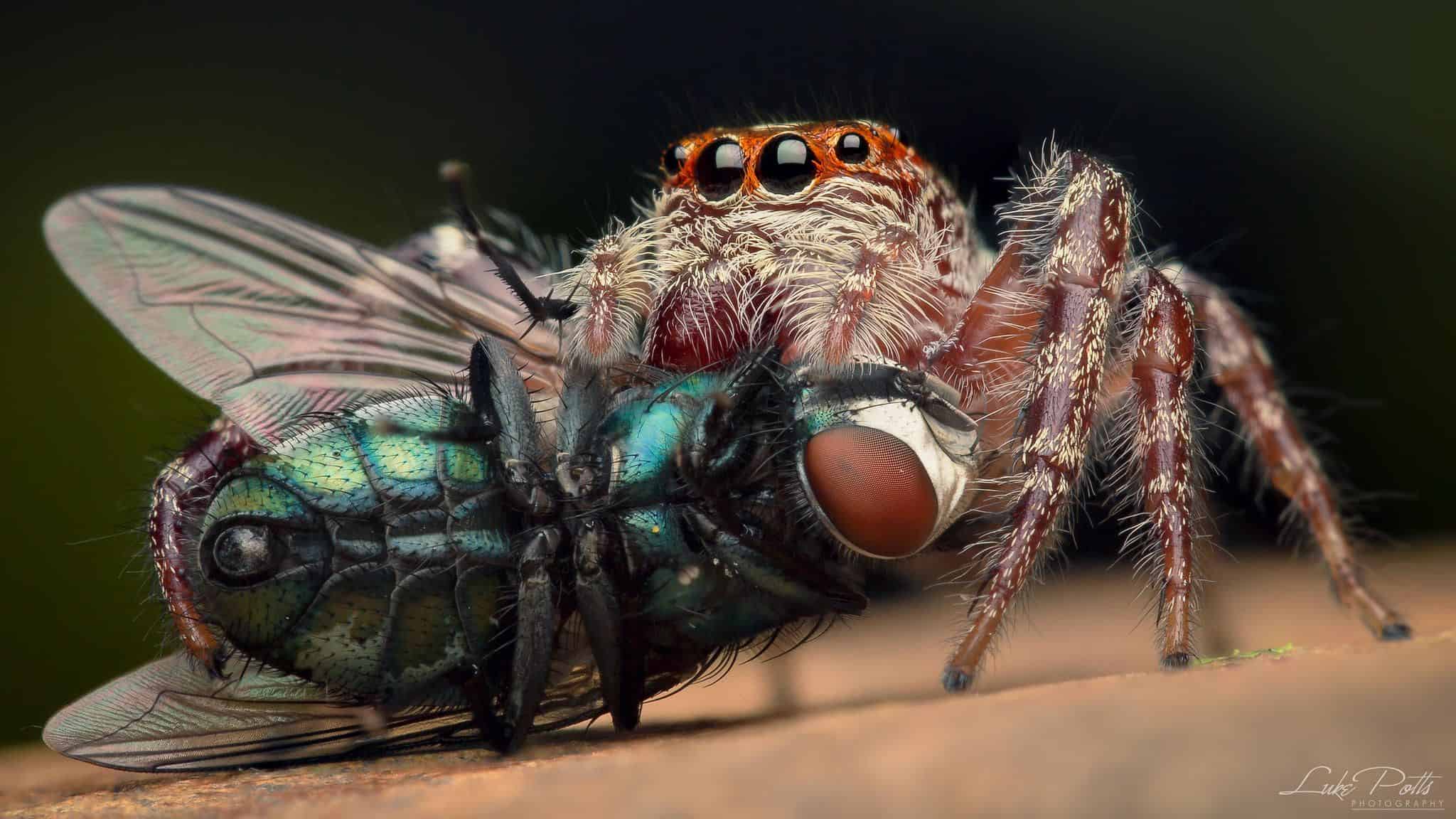
Spiders can’t chew. They bite a fly, dissolve it with digestive enzymes, and drink the liquid, leaving a dry shell. Here is how it works, step by step.

Tiny house spiders eat flies, gnats, mosquitoes, ants, and smaller spiders. See which house spiders are common, what they eat, and how to keep their numbers down.

Pet newts eat live, frozen or freeze-dried worms, shrimp and small insects. Here’s what to feed, how often, and where.
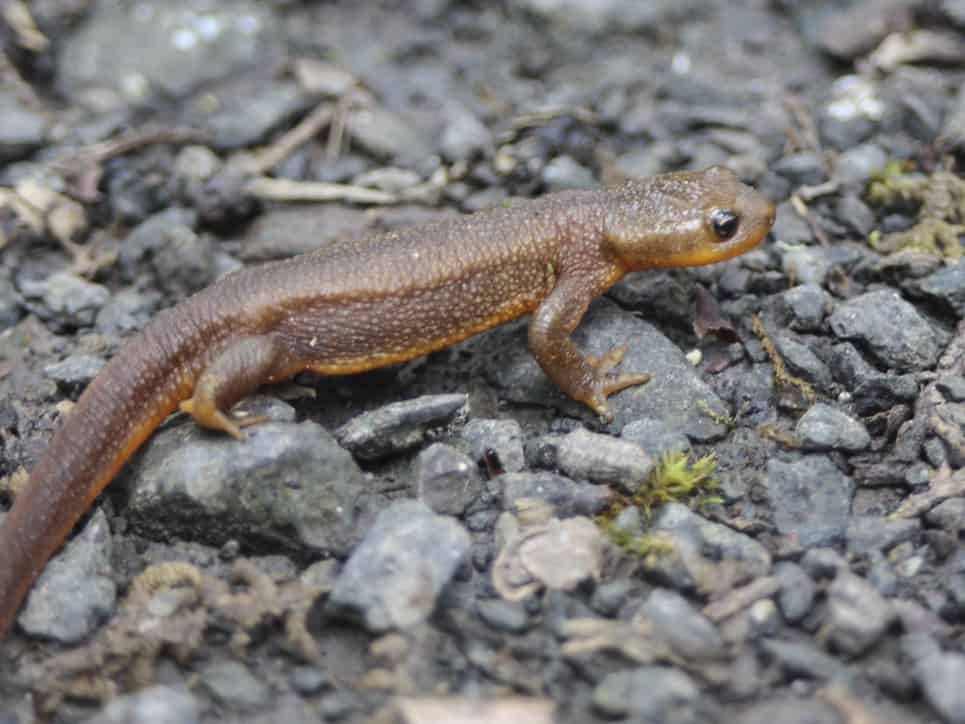
Most healthy adult newts can go several days to a couple of weeks without eating, but juveniles cannot. Here is how often to feed and when to worry.

What great crested newts eat on land and in the water, how their diet changes from larva to adult, and why you should not take them from the wild.
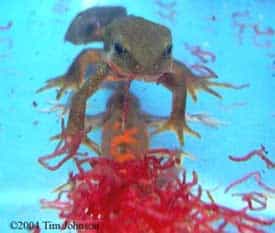
Wild newts are carnivores that eat insects, insect larvae, worms, snails, crustaceans and tadpoles. Here is what they eat at each life stage and how that guides pet feeding.

Do newts in a garden pond need feeding? Usually not. What wild newts eat, how to make your pond newt-friendly, and what to feed captive newts.

Palmate newts eat worms, slugs, insects and tadpoles. Learn what they eat on land and in water, and how to help them in your garden.

Bell peppers are safe for tortoises in small amounts. Learn which colors are best, how to serve them and how often.