What to Feed Turtles at the Park (and What Not To)
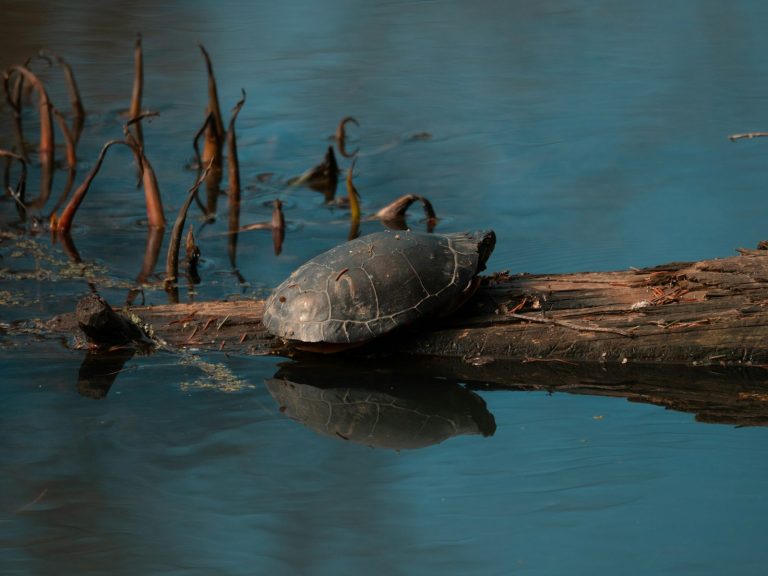
Please don’t feed bread to park turtles. If you must feed them, use a small amount of turtle pellets or leafy greens, and check local rules first.

Please don’t feed bread to park turtles. If you must feed them, use a small amount of turtle pellets or leafy greens, and check local rules first.
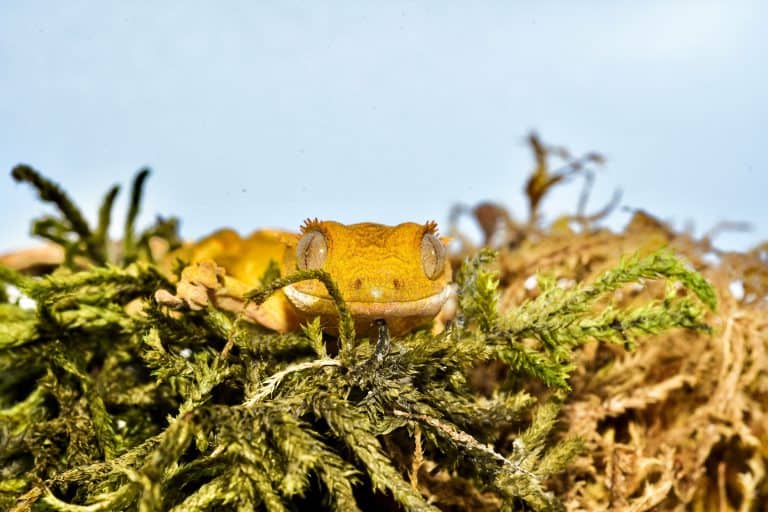
Jelly pots are sugary treats, not a balanced diet for crested geckos. Learn how often to offer them and what to feed instead.
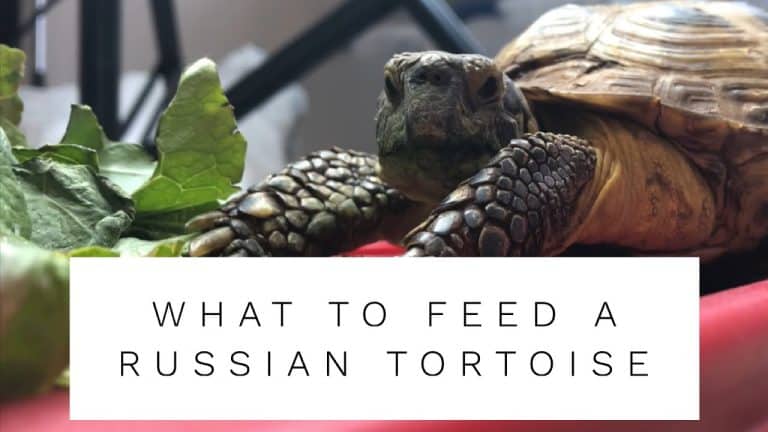
The favorite foods of tortoises: dandelions, hibiscus, grass, and safe greens, plus what to limit and avoid.
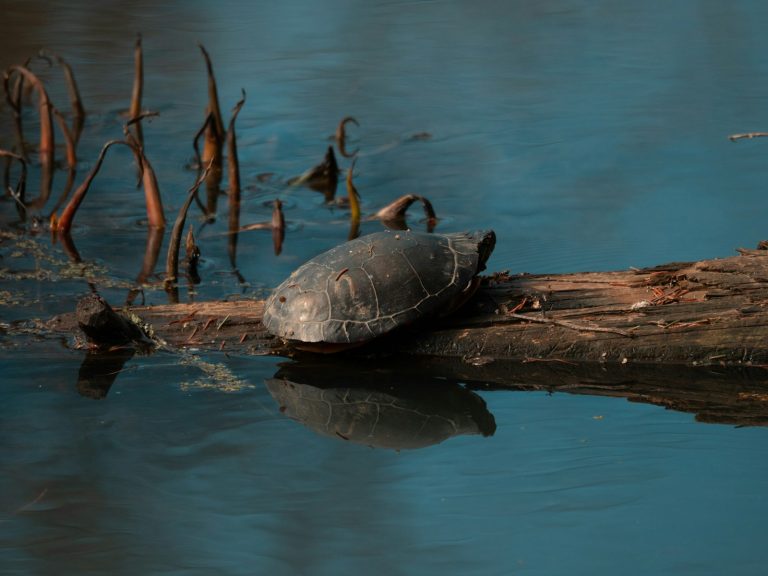
Lake turtles eat insects, snails, fish, plants and carrion. Learn what to feed a pet lake turtle and why feeding wild turtles is a bad idea.
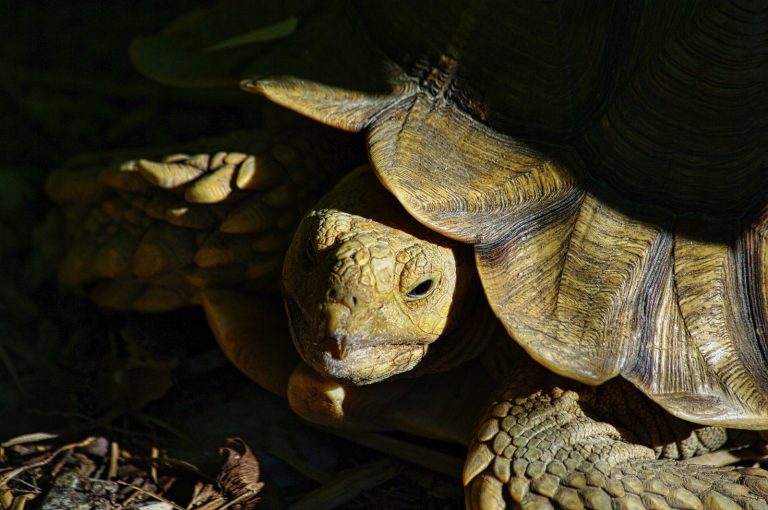
What Hermann’s tortoises eat: weeds, grasses and leafy greens as the base, with fruit, grains and legumes kept out.
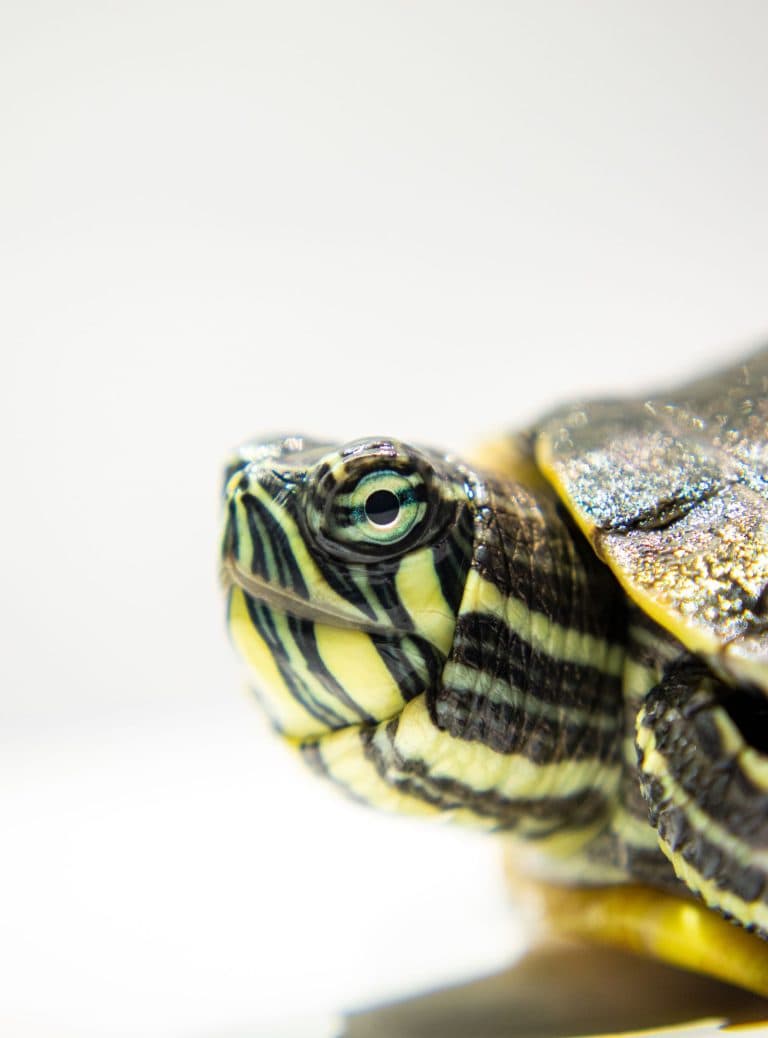
The best vitamin A foods for pet turtles are dark leafy greens and orange vegetables like carrots, squash and sweet potato. Here is how to feed them and spot a deficiency early.
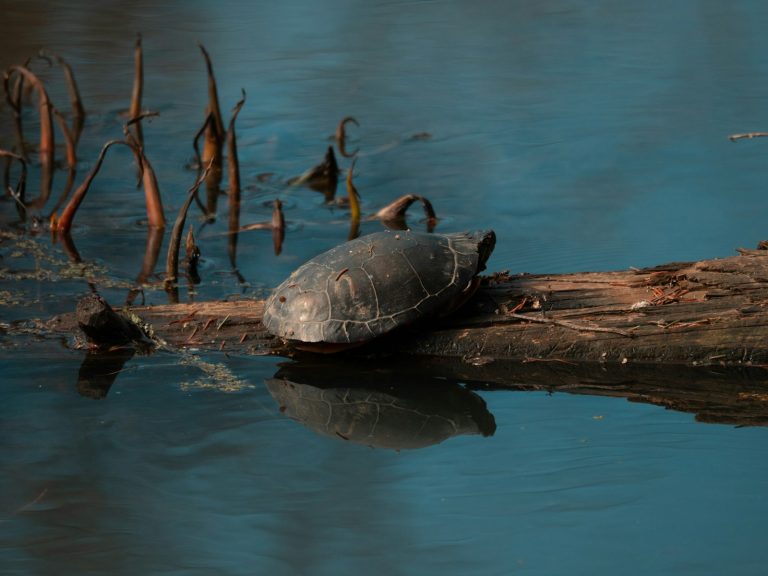
Yellow-bellied sliders eat more protein as babies and mostly plants as adults. Here is a simple feeding guide with pellets, greens and treats.
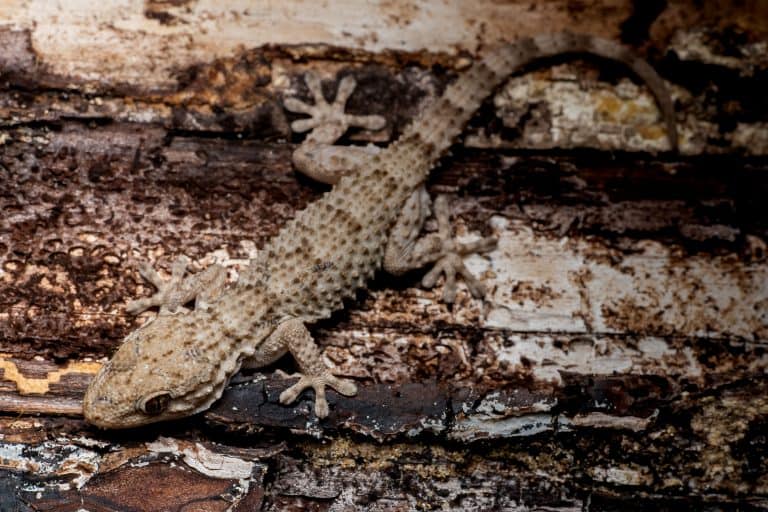
A simple feeding routine for pet marbled geckos: small gut-loaded insects, calcium dusting, and how often to feed at each age.
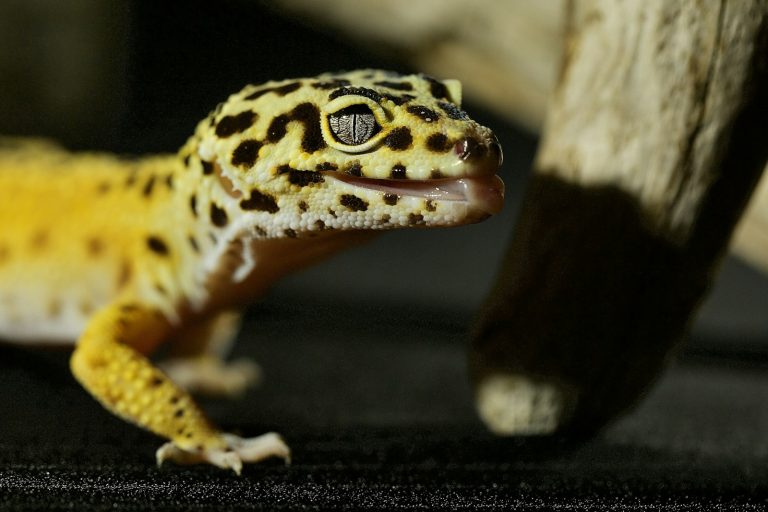
Repashy Grub Pie is an insect-based gel that leopard geckos can eat as a backup or variety food. Here is what is in it, how to mix it, and how it fits with live insects.
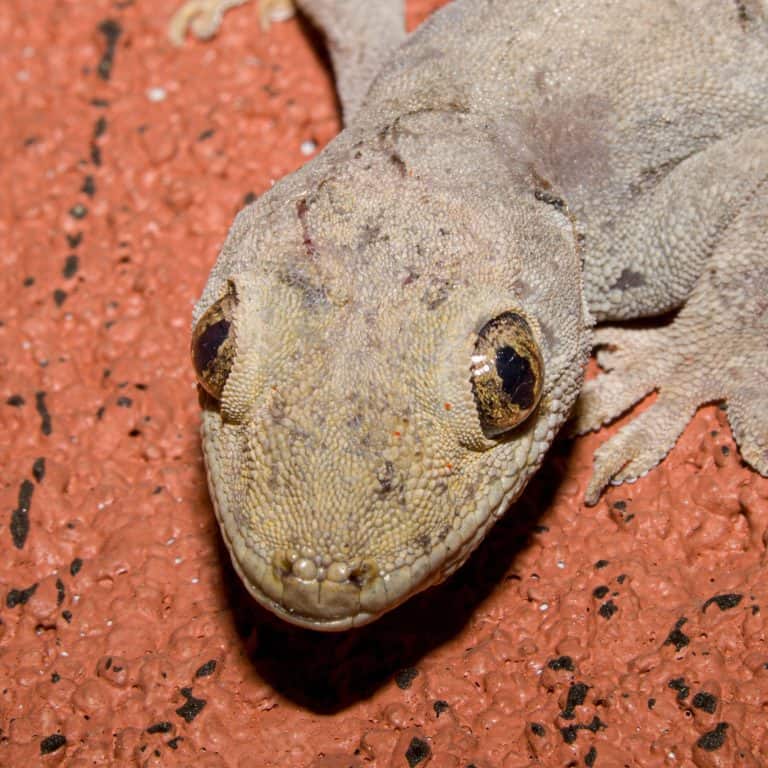
A house gecko thrives on small, live, gut-loaded insects with calcium dusting. Here is a simple feeding schedule and a list of foods to avoid.