Tiger shovelnose catfish are predators, so feed them meaty foods: frozen or live shrimp, earthworms, chopped fish, and sinking carnivore pellets. Flakes and plant-based foods are not a good main diet for them.

About the fish
The tiger shovelnose catfish (Pseudoplatystoma species) comes from the large rivers of South America. It has a flat head, long whisker-like barbels, and bold tiger stripes. Young fish look manageable, but they grow quickly and can reach several feet long. They will eat any fish small enough to fit in their mouths, so tank mates must be chosen carefully, and they need a very large tank as adults.
Best foods
- Sinking carnivore pellets: A good base for a balanced diet. Look for pellets made with fish meal as the first ingredient.
- Frozen foods: Shrimp, krill, silversides, and chopped whitefish, thawed before feeding.
- Earthworms: A favorite, and a good way to coax a shy fish to eat. Use worms from a clean, pesticide-free source or a bait shop.
- Live foods: Ghost shrimp or feeder fish are sometimes used for picky eaters. Quarantine them first, because feeders can bring in parasites and disease.
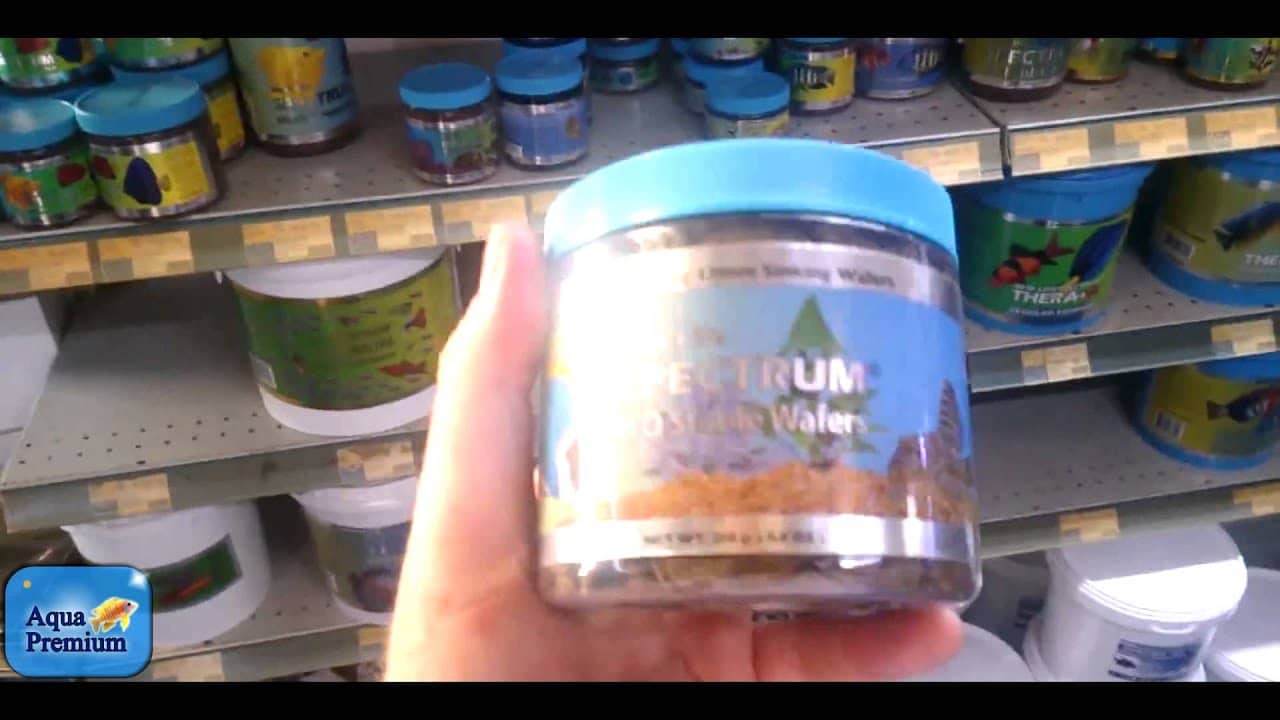
Flakes, algae wafers, and bloodworms alone will not meet the needs of a growing predator. They can be offered as an occasional extra for small juveniles, but they should not be the diet.
How often to feed
Juveniles do best with one or two small meals a day. Adults can be fed a larger meal every one to three days. Offer food in the evening or when the lights are dim, since these catfish are most active at night. Remove any uneaten food after a few hours so it does not foul the water.
What to avoid
- Feeder goldfish: They are a poor-nutrition food and often carry parasites.
- Mammal and poultry meat: Beef heart, chicken, and similar meats are high in fat that fish digest poorly.
- Overfeeding: Big meals produce a lot of waste. Heavy feeding needs strong filtration and regular water changes.
Tank and water basics
Tropical temperatures in the mid-70s to low 80s Fahrenheit suit this species. Keep the water clean, with a very large tank and powerful filtration, because heavy-eating predators produce a lot of waste. A dimly lit tank with hiding places helps them feel secure and eat more readily.
For other catfish diets, see our guides to cheap catfish food, alternative foods for catfish, and Raphael catfish food.
Bottom Line
Feed tiger shovelnose catfish a mix of sinking carnivore pellets, frozen seafood, and earthworms, in measured meals. Plan for the tank size they will need as adults before you buy one. If your fish stops eating or looks sick, ask an aquatic veterinarian for help.