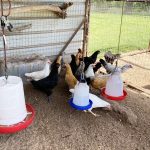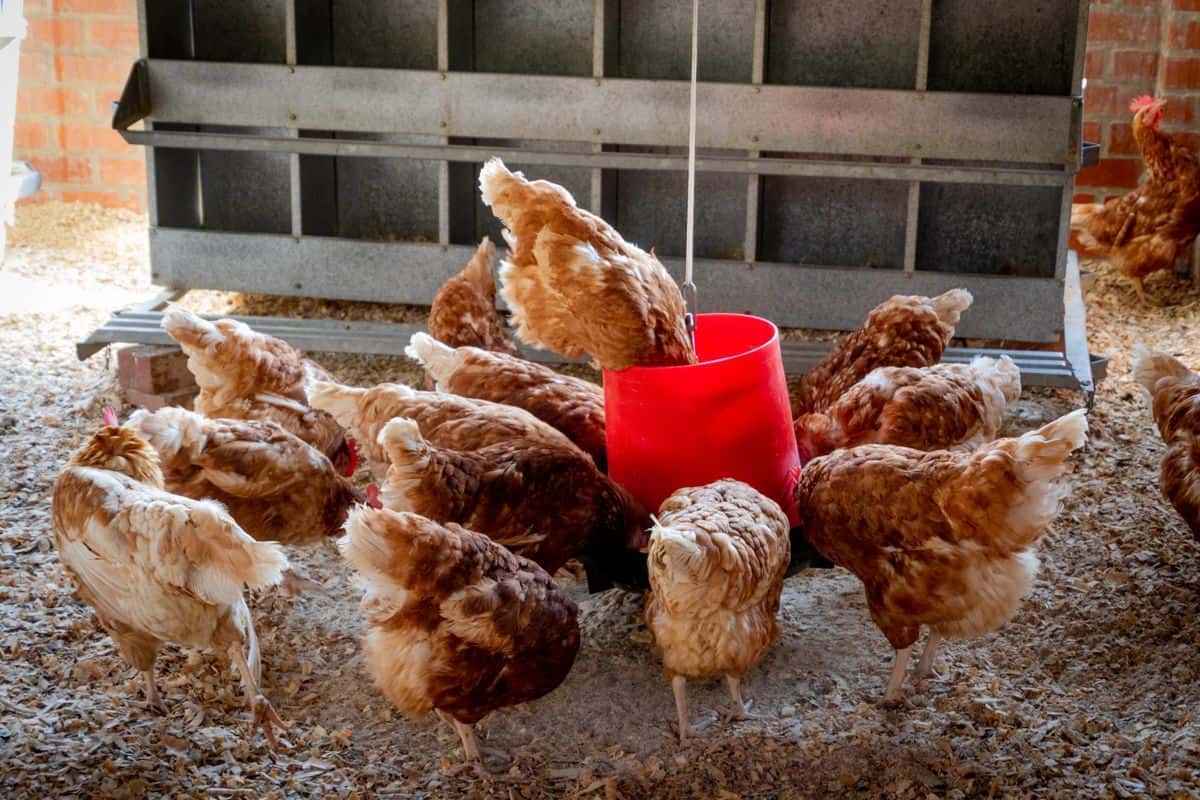

Short answer: Dodson & Horrell is a UK poultry feed brand that sells layer feed for hens in lay and grower feed for young birds, in both pellet and mash forms. Give grower feed until your pullets near laying age, then move them to a layer feed, which has extra calcium for eggshells.

Which feed for which bird
Young birds and laying hens have different needs. Growers need protein for steady growth and should not get high calcium too early. Hens in lay need calcium for shells. Feeding the wrong one for long can cause problems, so match the product to the age of your birds and read the bag for the exact feeding guide. Our post on chicken feed for 3-month-old chicks covers the stage before laying.
Layer pellets
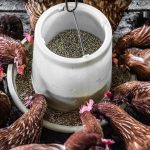
Layer pellets are a complete feed built for hens producing eggs, with protein, calcium and added vitamins and minerals. Pellets are convenient for backyard flocks because they store well, are easy to measure, and cut down on picking out favorite bits and wasting the rest. A mature laying hen typically eats roughly 110 to 130 grams of feed a day, so use the label as your guide and adjust for body condition and weather.
Layer mash
Mash is a loose, ground form of the same type of feed. Some keepers prefer it because it takes birds longer to eat and may suit smaller breeds. The downside is dust and waste, since hens can scatter it and pick out particles. Studies comparing pellets and mash in commercial layers often report better intake and feed efficiency with pellets, but results vary by flock, so choose what your birds eat well.
Grower feed
Grower feed is for young birds after the starter stage and before laying, usually from around six weeks to roughly 18 to 20 weeks, depending on the breed. Switch to layer feed when the first eggs appear or just before, not earlier, because the high calcium in layer feed can harm young birds’ kidneys. For help with this question, see chicken finisher feed.
Switching from one feed to another
Mix the new feed with the old over about a week, starting with a small proportion and increasing it daily. A sudden change can reduce intake and upset digestion. If you also feed treats or scratch grains, keep them to a small part of the day’s food so the complete feed still does the main work. For oyster shell, grit and other add-ins, read about adding supplements to chicken feed.
Storage and freshness
Store feed in a dry, rodent-proof container, away from heat and damp. Throw out feed that smells musty or has visible mold, which can make birds sick. Use bags within the date printed on them.
When to call a vet
If hens stop laying unexpectedly, lose weight, or seem lethargic or have loose droppings after a feed change, talk to a veterinarian who treats poultry. This article is general information and does not replace veterinary advice.
Bottom Line
Use a grower feed for young birds, move to a layer feed when they start to lay, and pick pellets or mash based on what your flock eats cleanly. Change feeds gradually, keep feed dry, and follow the bag’s feeding guide.