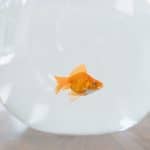
A healthy adult goldfish can safely go about a week without food, and many do fine for up to two weeks in a well-established tank. For anything longer, or if you would feel better having a plan, use a tested automatic feeder or ask a sitter to feed pre-measured portions. The biggest risk on vacation is not hunger. It is overfeeding, which fouls the water.

How Long Can Goldfish Go Without Food?
Goldfish are cold-water fish with a slow metabolism, and they graze on algae and bits in the tank all day. Most healthy adults handle 5 to 7 days without a meal with no harm. Small fish, fry and very young goldfish eat more often and should not be left without a plan. A fish with a clean, mature tank and some plants or algae does best.
Option 1: Do Nothing (Trips Under About a Week)
For a weekend or a trip of up to a week, the simplest choice is often the safest. Feed well the day before you leave, do your normal water change a day or two ahead, and leave the fish alone. Dumping extra food in “just in case” is what usually causes trouble.
Option 2: Automatic Feeder
An automatic feeder drops a small, measured portion on a schedule. It is the best choice for trips of one to three weeks.
- Use a feeder that handles the type of food you feed (flakes, pellets or sinking pellets).
- Run it for a week at home first, to check that it drops the right amount and doesn’t jam or clump in humid air.
- Set it to one small meal a day, no more than your fish can finish in a couple of minutes.
For help choosing, see our guide to choosing a 14-day fish feeder.
Option 3: Slow-Release Vacation Blocks
Vacation feeder blocks dissolve slowly and release food into the water. They can work for a few days, but the results are mixed. Some fish ignore them, and some blocks dissolve into cloudy water, which strains the filter and can raise ammonia. If you want to use one, test it at home first and use only the size meant for your tank volume. Read our guides on slow-release goldfish food and feeding blocks for tropical fish for pros and cons.
Option 4: A Friend or Fish Sitter
A person is the most flexible option, but only if they follow instructions. Fish sitters, friends and family members tend to overfeed because the fish look hungry (goldfish always do).
- Portion each day’s food into a small labeled container or a pill organizer, and tell them to feed one container per day and nothing else.
- Write out the basics: food type, feeding time, filter and light settings, and what a healthy fish looks like.
- Leave your phone number and the name of a local fish store or vet for emergencies.
Prep Checklist Before You Go
- Do a partial water change (about 25–30%) and clean the filter media in old tank water a few days before leaving, not right before.
- Check that the heater (if you use one), filter, air pump and lights work.
- Use a timer for the lights, around 8 to 10 hours a day.
- Skip trying new foods, new fish or tank changes right before a trip.
Bottom Line
For a trip of a week or less, a well-fed, healthy goldfish in a clean tank is fine on its own. For longer trips, a tested automatic feeder or a sitter with pre-portioned meals is safer than dropping in a lot of extra food. Overfeeding is the most common vacation mistake.