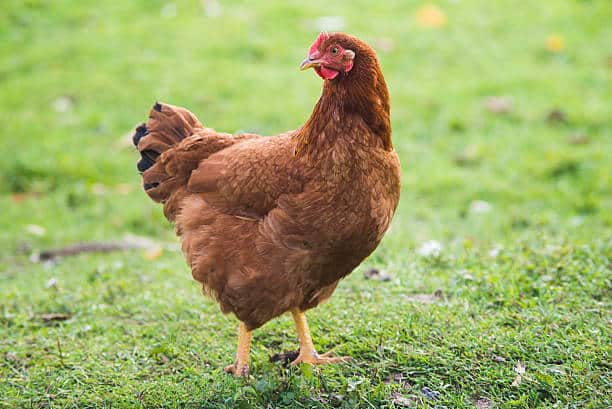
Golden yolk chicken feed is a vegetarian alternative to traditional chicken feed. It contains natural yolk colourants and additional calcium. It is also free of animal proteins and should be fed ad lib to hens from lay on. The recommended feeding amount is 130-140 grams per hen per day. If you are feeding your flock a diet rich in animal protein, you should reduce the golden yolk intake.

Contents
Carotenoids
Carotenoids are a key element in the production of an orange or golden yolk in chickens. Adding these antioxidants to the layer diet makes it possible to obtain a rich, golden yolk. Adding these compounds to the diet can also make the yolks healthier. These are a few of the main benefits of adding carotenoids to chicken feed.
The study showed that supplementation with carotenoids improved the yolk fatty acid profile and egg color. It also improved the n-6/n-3 ratio and the pH levels. Moreover, it improved the oxidative stability of the yolk. The dietary supplements also reduced the amount of cholesterol and increased the amount of n-3 PUFAs.
Vitamins
The vitamins and minerals contained in golden yolk chicken feed can improve the nutritional value of eggs. They are also rich in omega-3 fatty acids. The resulting eggs have more omega-3 than conventionally produced eggs. Golden yolk chicken feed should be a primary part of the hen’s diet. It should also contain key levels of calcium and manganese to ensure strong egg shells.
The color of egg yolks is influenced by the content of various pigments in the feed. In the case of egg yolk, the yellow pigments are provided by alfalfa meal and corn. The orange color is obtained by red pigments from paprika and chili. In general, the color of egg yolks changes about 48 h after applying xanthophylls to the feed.
Minerals
If you want your chickens to lay golden eggs, you should consider a feed that contains bioavailable calcium and phosphorus. The composition of the feed can affect the fatty acid composition of the eggs. This is because the amount of fatty acids in the yolk varies depending on the composition of the diet.
The color of the yolk is influenced by the feed pigments. Yellow pigments are obtained from corn and alfalfa meal, and red pigments come from paprika or chili. These pigments begin to change the yolk’s color about 48 hours after their application.
Protein
Golden yolk chicken feed is an excellent source of energy and protein for your laying hens. Its recommended feeding amount varies depending on the season. A single hen will consume around 130g daily. However, you should combine this feed with other sources of protein like hay and pasture. This will ensure a well-balanced diet for your chickens.
You might have noticed that store-bought “free range” eggs have pale yolks. This could be because they are not getting enough outdoor space. However, if your flock of chickens receives high-quality chicken feed, their eggs will be naturally darker in color. The yolk contains xanthophylls and omega-3 fatty acids.
Complete and balanced diet
One of the most important aspects of raising chickens is feeding them a complete and balanced diet. The diet should include plenty of organic food, and should include a variety of weeds, grasses, and bugs. These foods are rich in vitamins D, E, K, and A, and also contain essential fatty acids such as omega-3 fatty acids. They should also include plenty of calcium, iron, magnesium, and choline.
A complete and balanced diet for golden yolk chicken should contain at least 16 to 18 percent protein. A variety of fresh fruits and vegetables should be included in the daily diet. Chickens can be fed raw or cooked. In addition, a small amount of vegetable peel can be added to their feed.
Safe for ducks
Golden yolk chicken feed is safe for ducks and is often recommended by veterinarians for this species. It is rich in protein, a key nutrient for growing ducks. Most chicken feeds are medicated to prevent coccidiosis, a disease that can affect ducks. A safe alternative to chicken feed is waterfowl pellets.
While ducks need high levels of niacin to stay healthy, their diets often lack it. Without sufficient amounts of niacin, ducklings will grow smaller and develop bowed legs. To supplement this nutrient, you can use brewer’s yeast to add it to your ducks’ feed. It is recommended to add 1.5 tablespoons of yeast per cup of feed. Another option is to use niacin tablets or liquid B3 vitamin packets.