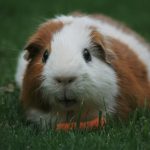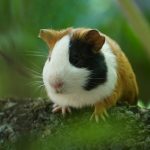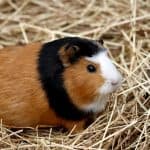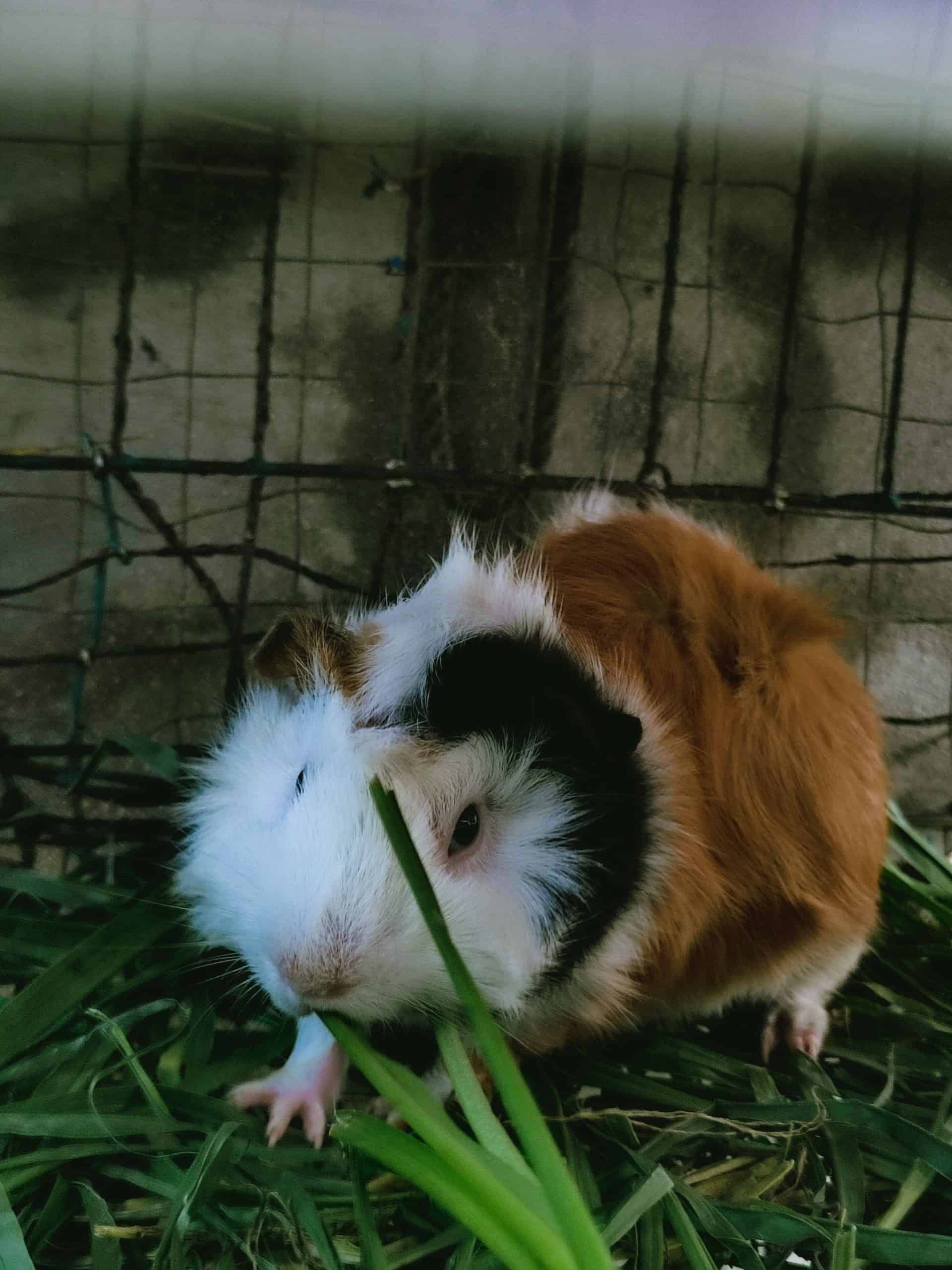
The best high-fiber food for guinea pigs is unlimited grass hay, such as timothy. Fresh leafy greens, a little fresh grass and a small amount of plain pellets add more fiber and the vitamin C that guinea pigs must get from food every day. Fiber keeps the gut moving and wears down teeth that never stop growing.

Why Fiber Matters
Guinea pigs are grazers. Their teeth grow continuously, and chewing long-stemmed fibrous plants keeps them worn down. Fiber also feeds the good bacteria in their gut. Too little fiber can cause dental problems and a slow or stalled digestive tract, which is a medical emergency.
The Best High-Fiber Foods
1. Grass hay (the foundation)
Hay should make up most of your guinea pig’s diet, and it should always be available. Good choices include timothy, orchard grass and meadow hay. Choose hay that is green, smells sweet and has long stems. Avoid dusty or moldy hay. Alfalfa hay is higher in calcium and calories, so it is usually reserved for young, pregnant or nursing guinea pigs, as directed by a vet.
2. Fresh grass
Untreated grass from a pesticide-free yard is a natural high-fiber treat. Introduce it slowly, in short sessions, because a sudden change can cause soft stools. Never offer lawn clippings, since they ferment quickly.
3. Leafy greens
Leafy greens add fiber, water and vitamins. Good options include romaine, red or green leaf lettuce, cilantro, parsley, dandelion greens and bok choy. Rotate greens and offer a variety, since some are higher in calcium or oxalates and should not be fed daily. Guinea pigs generally do well with about a cup of mixed vegetables a day.
4. Vitamin C vegetables
Guinea pigs cannot make vitamin C, so include foods like red or yellow bell pepper in small amounts. Pair them with leafy greens. Many guinea pigs also need a vitamin C-fortified pellet.
5. Plain pellets
Choose timothy-based pellets with no seeds, nuts or colored bits. Pellets are a supplement, not the main diet, and a small measured amount each day is usually enough.
Foods That Are Not High-Fiber Choices
- Fruit: Higher in sugar, so offer only small pieces as an occasional treat.
- Muesli-style mixes: Encourage picking out the fatty parts and can cause dental and weight problems.
- Foods to avoid completely: Onion, garlic, chocolate and potato.
How to Add More Fiber to the Diet
- Offer a large pile of fresh hay every day and top up the rack often.
- Reduce pellets slightly if your guinea pig fills up and ignores hay.
- Introduce new vegetables one at a time and watch for soft stools.
- Remove uneaten fresh food within a few hours.
When to Call the Vet
Call your vet if your guinea pig stops eating or pooping, has runny stools, drools or loses weight. Guinea pigs can decline quickly. This article is general information, not veterinary advice.
Bottom Line
Unlimited grass hay is the top high-fiber food for guinea pigs. Add leafy greens, a little fresh grass and a measured amount of plain pellets, and ask your vet if your guinea pig has special needs.
Related reading: can guinea pigs eat zucchini?