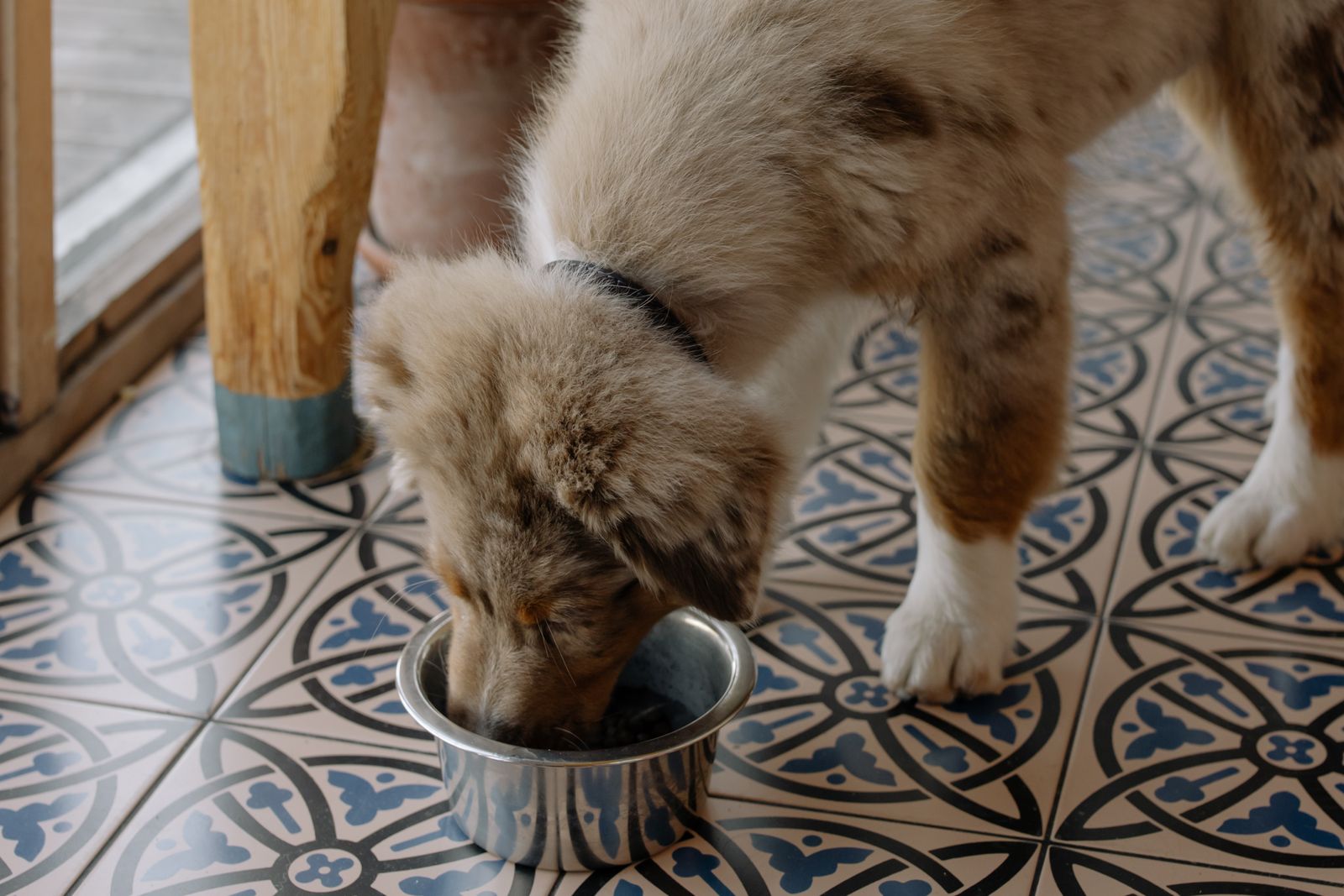
Plain, unsalted beef broth is safe for most healthy dogs as an occasional topper or treat. The risks come from what is added to it: onions, garlic, salt and seasonings are all common in store-bought broth and can harm dogs.

What to look for in beef broth
- No onion or garlic. Onions, garlic, leeks and chives belong to the allium family and can damage a dog’s red blood cells.
- Low or no sodium. Too much salt can cause salt toxicosis, especially in small dogs.
- No added seasonings, and no bay leaves.
- Broth made for dogs is the easiest choice. Broth made for people often contains seasoning and salt.
How to use beef broth
- Meal topper: pour a spoonful over dry food to make it more appealing, especially for picky or older dogs.
- Add water: mix with water to encourage a dog to drink.
- Soften kibble: soak dry food briefly for dogs with dental problems.
- Frozen treat: freeze plain broth in an ice cube tray.
Broth is a supplement, not a meal replacement. Keep the amount small so it does not upset digestion or add too many calories.
Simple homemade broth
- Simmer plain beef (and, if you like, a few dog-safe vegetables such as carrots) in water for several hours.
- Do not add salt, onion, garlic or spices.
- Strain out every solid piece, especially bones, which can splinter or cause blockages.
- Cool it, skim off extra fat, and refrigerate for a few days or freeze in portions.
Who should check with a vet first
- Dogs with a beef allergy. Chicken or fish broth may be an alternative.
- Dogs with kidney or liver disease, or pancreatitis. Fat and protein may need to be limited.
- Dogs on a prescription or restricted-protein diet.
- Large-breed puppies, whose diets are carefully balanced.
If your dog has digestive issues or needs a special diet, see our guide to low purine dog food for another example of a medical diet, and easy puppy teething treats for a simple homemade idea.
Bottom Line
Plain, low-sodium beef broth with no onion or garlic is a fine occasional topper for most dogs. Read labels, keep amounts small, and ask your vet if your dog has a health condition.
This article is general information, not veterinary advice. Call your vet with any concerns about your dog’s diet.