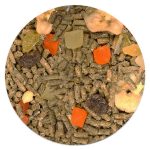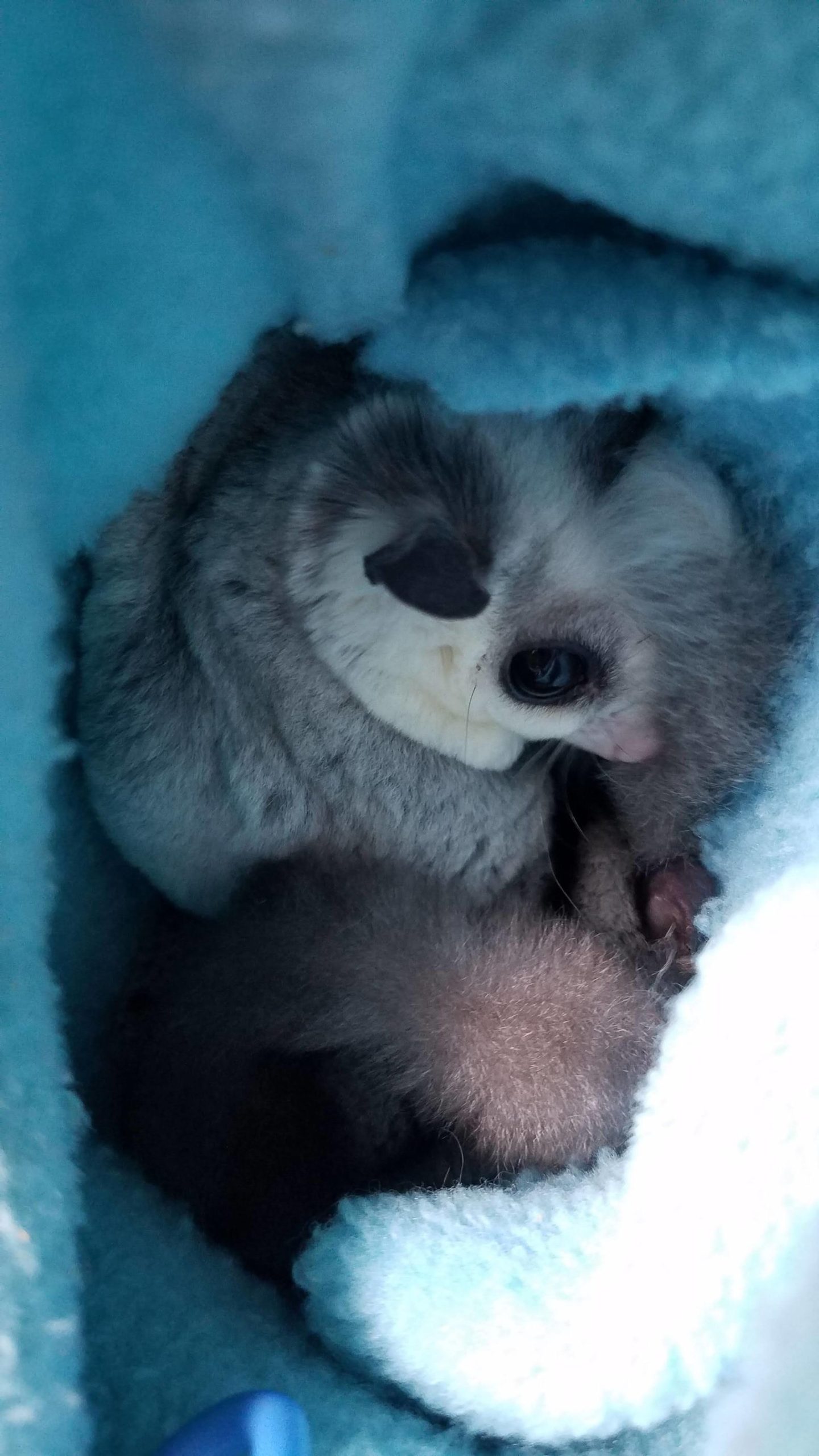
Sugar gliders can eat a balanced staple kibble, a nectar or protein mix, a variety of vegetables, small amounts of fruit, and a few insects. Avoid chocolate, dairy and sugary treats. Use this list as a starting point and check any new food with your vet.

Staples
- A kibble made for sugar gliders
- A nectar-style mix such as Leadbeater’s or BML
- A calcium-based multivitamin
Vegetables
Offer a variety each night, washed well: green beans, kale, cucumber, peas, bok choy, squash and sweet potato (cooked) are popular. Limit corn to an occasional treat, since it is very sweet. High-oxalate vegetables such as spinach and beets should be limited.
Fruit (small portions)
Apple (no seeds), melon, mango, papaya, blueberries and grapes cut up are common choices. Remove seeds and pits. Fruit is a minor part of the wild diet, so give only a small amount.
Protein
- Live, dusted insects every other day: crickets, dubia roaches, black soldier fly larvae
- Mealworms, only occasionally (see mealworms)
- A little cooked, unseasoned chicken or egg
Limit high-oxalate produce
High-oxalate produce binds calcium. Vets advise limiting spinach, beets, carrots, lettuce, pears, figs and berries such as raspberries and strawberries, and keeping fatty mealworms rare.
Foods to avoid
Chocolate, dairy and yogurt drops, canned fruit, anything salty or fried, onion and garlic, and foods with artificial sweeteners. When in doubt, look the food up or ask your vet, and call a vet right away if your glider eats something unsafe.
Bottom Line
Rotate foods, keep portions small, and base the diet on a glider staple. Start with A Healthy Sugar Glider Diet.
This article is general information, not veterinary advice.