Low phosphorus tropical fish food helps limit the phosphate that builds up in an aquarium, which fuels algae. Foods are the main source of phosphate in most tanks, but how much you feed matters more than the brand. Check the guaranteed analysis for phosphorus, feed less, and remove leftovers.

Why Phosphate Matters
Fish eat food, and what they do not use goes into the water as waste. That waste, plus uneaten food, raises phosphate. High phosphate feeds nuisance algae such as green film and hair algae. Phosphate itself is not very toxic to fish at normal levels, so the aim is to keep algae in check, not to remove all phosphorus.
How to Choose a Low-Phosphorus Food
- Look for a phosphorus percentage on the label. Some brands list it, and many do not.
- Prefer foods that use fish fillet, shrimp, or plant ingredients over foods heavy in fish meal made from whole fish with bones, which can be higher in phosphorus.
- Choose highly digestible foods so less waste is produced.
- Avoid foods that cloud the water or fall apart quickly.
Foods That Tend to Fit
- Quality pellets and flakes that list a modest phosphorus level.
- Frozen foods such as brine shrimp or mysis, rinsed before feeding.
- Vegetable-based foods for plant eaters.
Other Ways to Cut Phosphate
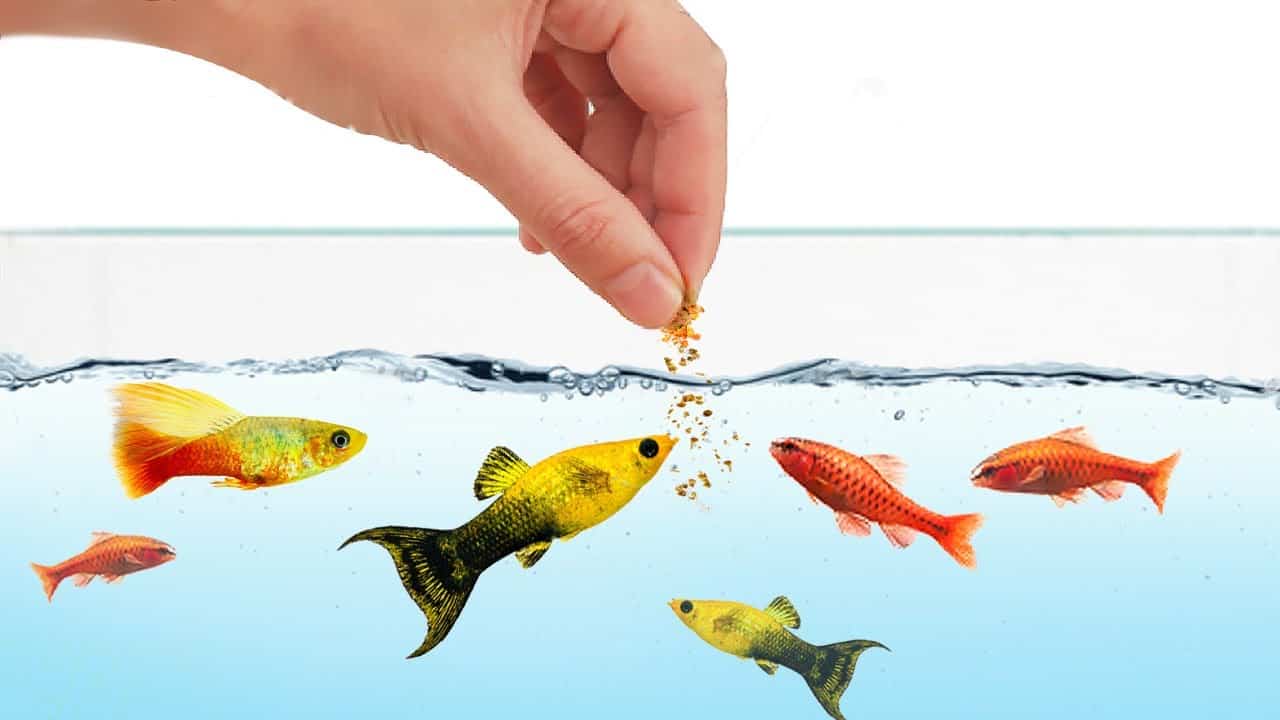
- Feed less: give only what your fish eat in about a minute.
- Remove leftovers with a net or siphon.
- Do regular water changes, keeping in mind that tap water can contain phosphate too.
- Add live plants, which take up phosphate.
- Test it: a hobby test kit shows how your tank is doing.
Phosphate-removing media exist, but fix the source first.
Related Reading
For more on feeding tropical fish, read homemade tropical fish food and what to feed tropical fish besides fish food.
Bottom Line
Choose a digestible food with a modest phosphorus level, feed small portions, remove leftovers, and keep up water changes. Control phosphate by feeding smartly, not just by changing brands.