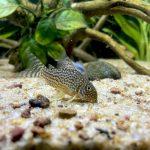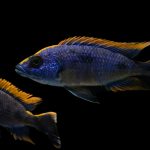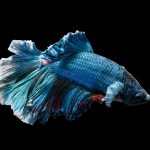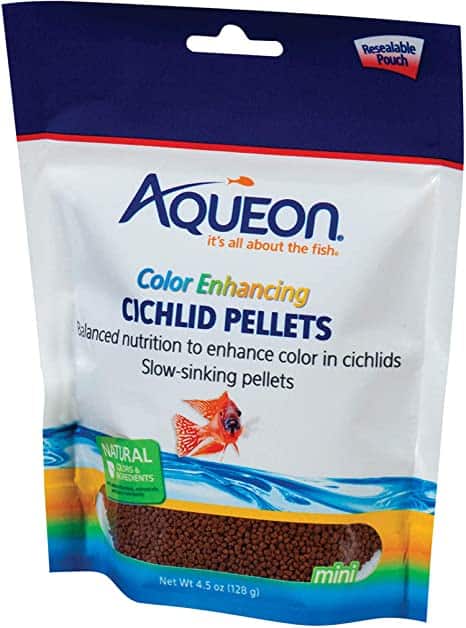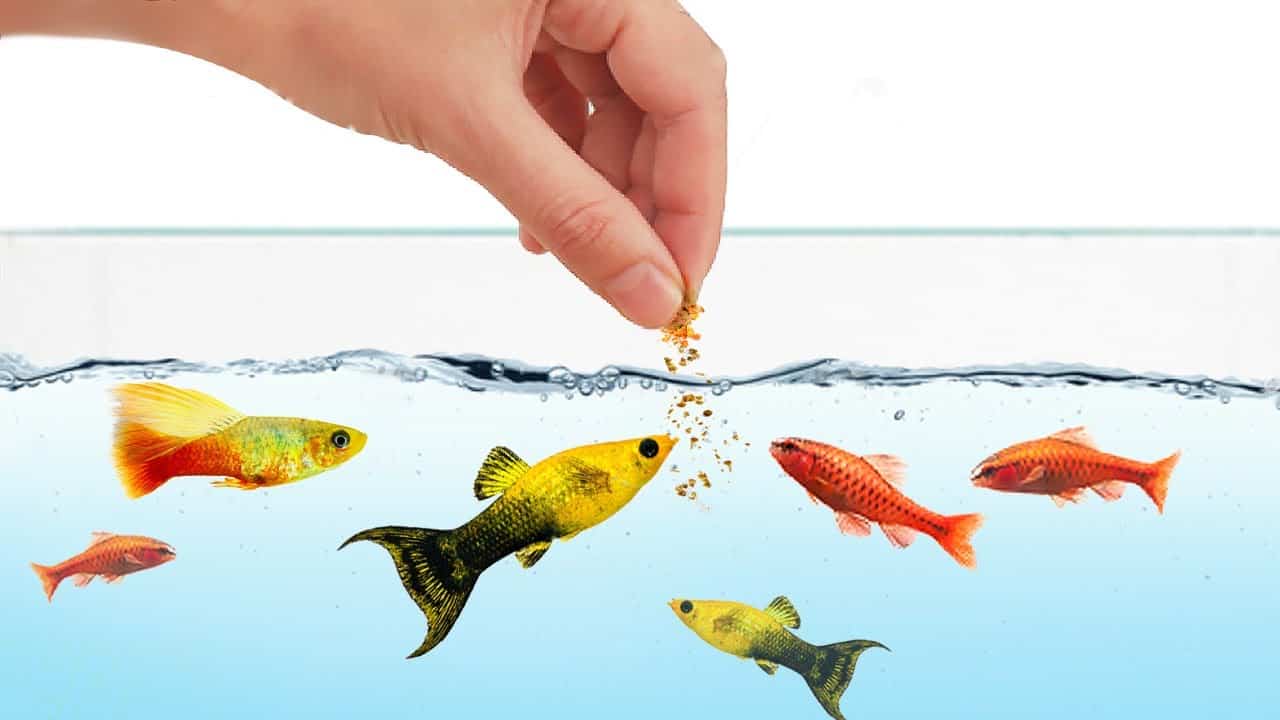
Besides flakes and pellets, tropical fish can eat frozen or live foods such as brine shrimp, bloodworms and daphnia, plus a few blanched vegetables like zucchini, peas and spinach. Most species need a quality staple food as the base, and these extras should be treats a few times a week, matched to the species you keep.

First, Know Your Fish
Tropical fish fall into three broad groups, and the right extras depend on which you have:
- Herbivores (plecos, mollies, some African cichlids) need plant matter.
- Carnivores (bettas, angelfish, many cichlids) need meaty foods.
- Omnivores (tetras, guppies, barbs, most community fish) can eat both.
Good Alternatives to Dry Food
Frozen foods
Frozen bloodworms, brine shrimp, mysis shrimp and daphnia are widely available. Thaw a small portion in a cup of tank water, then feed only what the fish eat in a couple of minutes. Rinse out any excess so it does not foul the tank.
Live foods
Live brine shrimp, daphnia and blackworms are favorites and spark natural hunting behavior. Buy from a reputable source, since wild-caught live foods can carry parasites.
Vegetables
For herbivores and omnivores, try blanched (briefly boiled and cooled) zucchini, cucumber, shelled peas and spinach. Remove uneaten pieces within a few hours.
Gel and homemade foods
Some keepers make gel foods from fish, vegetables and unflavored gelatin. See our homemade tropical fish food recipe.
Foods to Avoid
- Bread, crackers and other baked goods
- Cooked human food with salt, spices or oil
- Raw meat from the grocery store, which can pollute the water
- Anything moldy or spoiled
How Much and How Often
Most adult tropical fish do well with one or two small feedings a day, only as much as they finish in about two minutes. Skip a day each week to give their digestion a break. Overfeeding is the most common cause of cloudy water and ammonia spikes.
Going on Vacation
Healthy adult fish can go a few days without food. For longer trips ask a friend to feed pre-measured portions rather than relying on a large amount of food at once.
Bottom Line
Use a quality staple as the base diet and rotate in frozen, live or vegetable treats suited to your species. For more ideas read three holiday fish food tips and our guide to low phosphorus tropical fish food. Ask an aquarium store or fish vet about any species you are unsure of.