NatureWise is Nutrena’s line of poultry feeds, sold in pellet and textured forms for chicks, laying hens and mixed flocks. The right bag depends on your birds’ age: a starter/grower for chicks, a layer feed for hens, and an all-flock feed if you keep different ages and roosters together.

What Is in the NatureWise Line?
Nutrena sells several NatureWise products, and the lineup changes from time to time, so confirm details on the bag. Products you may see include:
- Layer pellets (16-17% protein): an everyday ration for adult laying hens.
- Hearty Hen (18% protein, soy-free): a layer feed for keepers who want to avoid soy.
- All Flock (20% protein): for mixed flocks of chicks, hens and roosters.
- Feather Fixer (20% protein): a higher protein feed for birds in molt.
- Egg Producer (21% protein): a higher protein layer pellet.
Labels on these feeds mention things like added omega-3s, prebiotics and probiotics, and no artificial preservatives. Those claims come from the manufacturer, and a feed claim does not replace a good diet, clean water and a healthy coop.
Choosing by Life Stage
Chicks (0-8 weeks)
Chicks need 18-20% protein. Use a starter or all-flock crumble. Keep medicated and non-medicated feeds straight: if your chicks were vaccinated against coccidiosis, choose a non-medicated feed.
Growing birds (8-18 weeks)
Move to a grower or keep the all-flock feed. Avoid layer feed until the pullets are close to laying, because the extra calcium is meant for hens producing eggs.
Laying hens
Layer feeds carry roughly 3.5-4% calcium for strong shells. Stick with one complete layer feed as the main diet, and offer oyster shell on the side if the shells look thin.
Molting birds
Feathers are made of protein, so molting hens often do better with a 20% protein feed for a few weeks. Laying slows or stops during molt, and that is normal.
Treats and Scratch
Keep treats to about 10% of the diet. Scratch grains, kitchen scraps and mealworms are fine in small amounts, but too many treats dilute the balanced feed. Never feed chocolate, avocado, raw dry beans or moldy food.
Feeding Tips
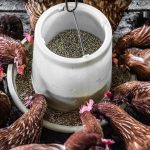
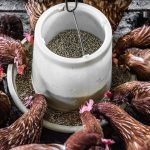
- Pellets cause less waste than loose mash, since hens cannot pick out their favorite bits.
- Make fresh water available all day. A laying hen can drink a cup or more daily.
- Change feeds gradually over about a week by mixing old and new.
- Store bags in a sealed bin and use them within about a month of opening.
Bottom Line
NatureWise is one reasonable option among many. Pick the bag that matches your birds’ stage, check the label for protein and calcium, and compare prices. For more options see our guides to chicken feed brands at Rural King and chicken feed at Tractor Supply, or read about Purina Layena. Talk to a poultry vet if your flock stops laying or looks unwell.