Triticale Hay for Beef Cows
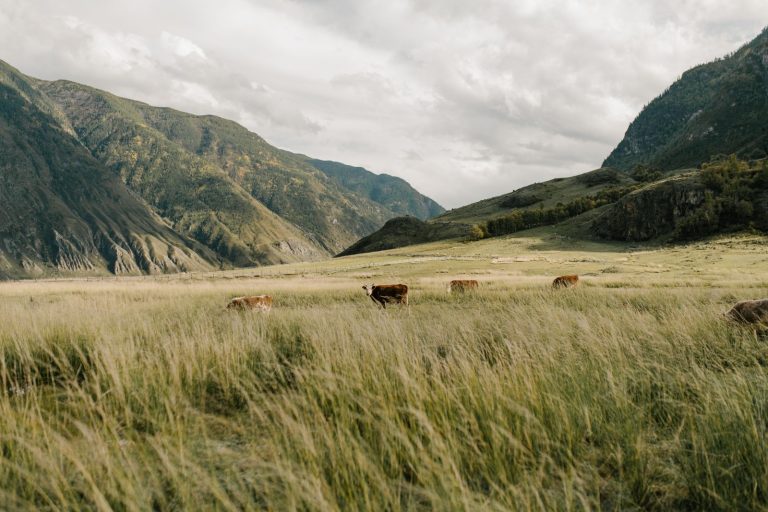
Triticale, a wheat and rye cross, makes good cool-season hay and silage. Harvest timing, awns, nitrates, and which beef cows it suits.

Triticale, a wheat and rye cross, makes good cool-season hay and silage. Harvest timing, awns, nitrates, and which beef cows it suits.
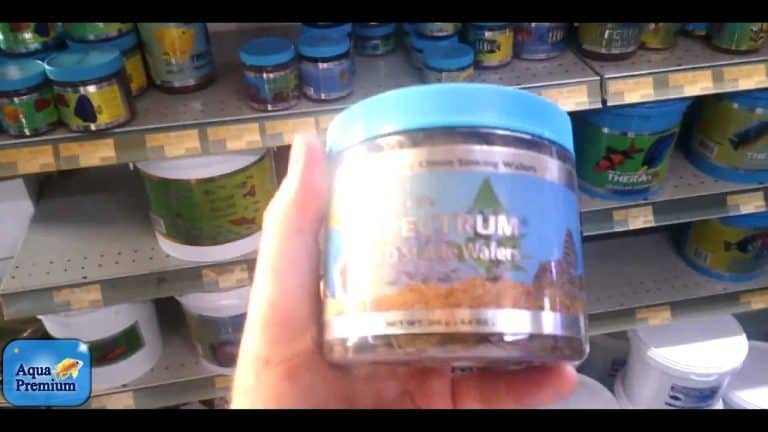
Thinking about Purina sinking catfish food? Here is what to look for in a sinking pellet, how much to feed, and how to store it so it stays fresh.
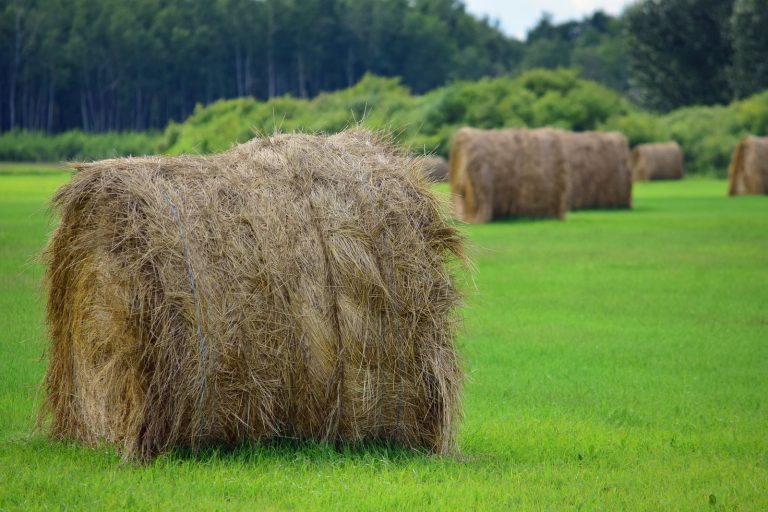
Brome hay can be a palatable, dependable cattle forage when cut early. Here is how timing, testing and supplementing affect its value.
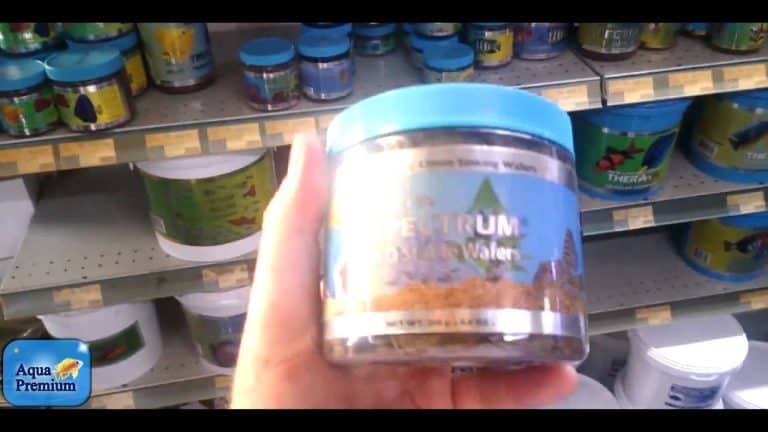
Tiger shovelnose catfish are big predators. Learn what to feed them, how often, and what to avoid, from frozen shrimp to sinking carnivore pellets.
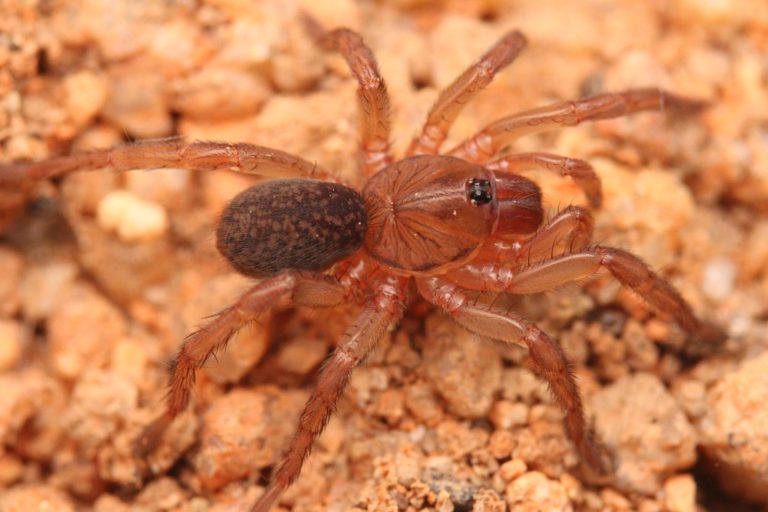
Trapdoor spiders ambush beetles, crickets, ants, millipedes, and other spiders from a silk-lined burrow with a hinged lid. Learn how they hunt and how long they live.
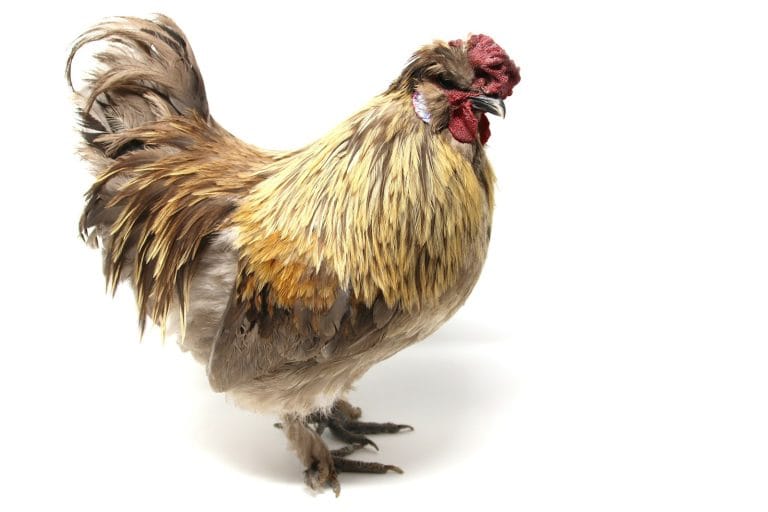
There is no magic game chicken feed. Pick a complete poultry feed for your birds’ species and age, and keep corn as a small treat.
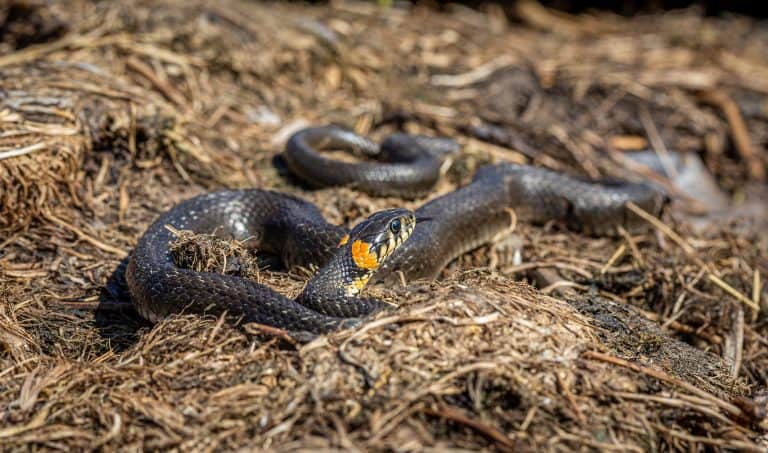
Almost never. Very large snakes can swallow calf-sized animals, but a full-grown cow is far too big for any snake. Here is what snakes really eat and what to do about snakes around livestock.
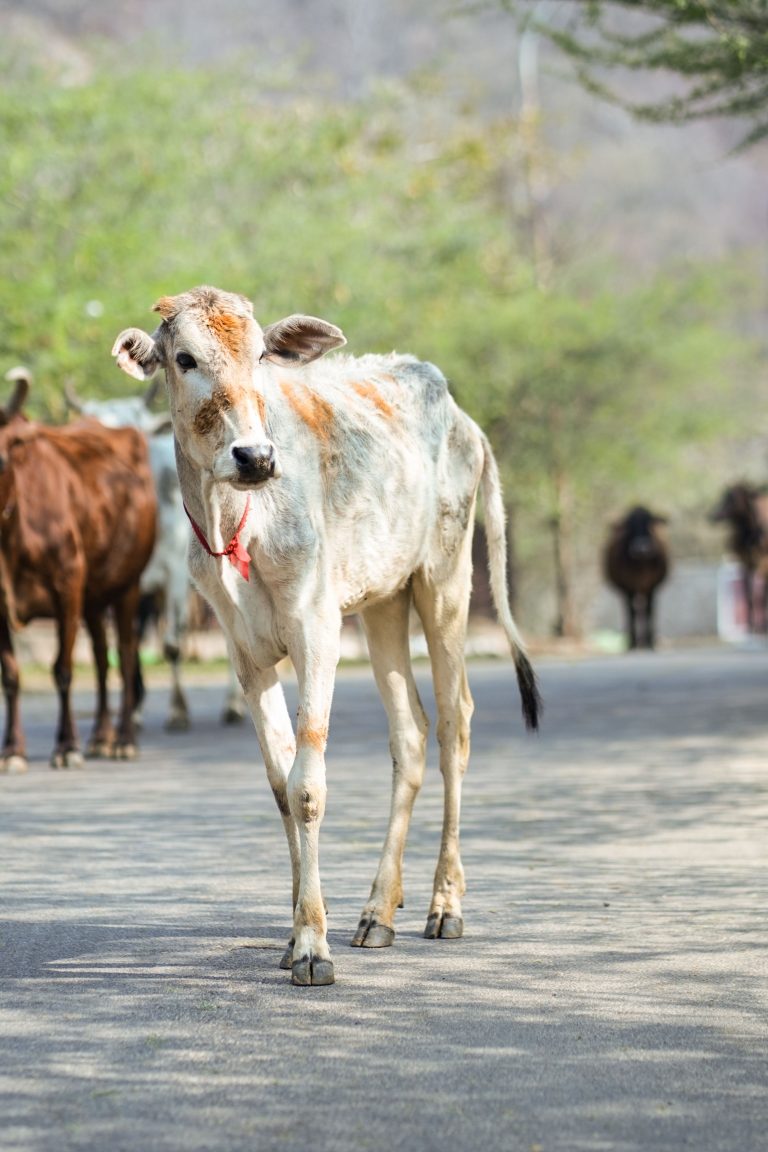
How much should a Sahiwal cow eat per day? Learn the basics of green fodder, dry fodder, concentrate, water and minerals.
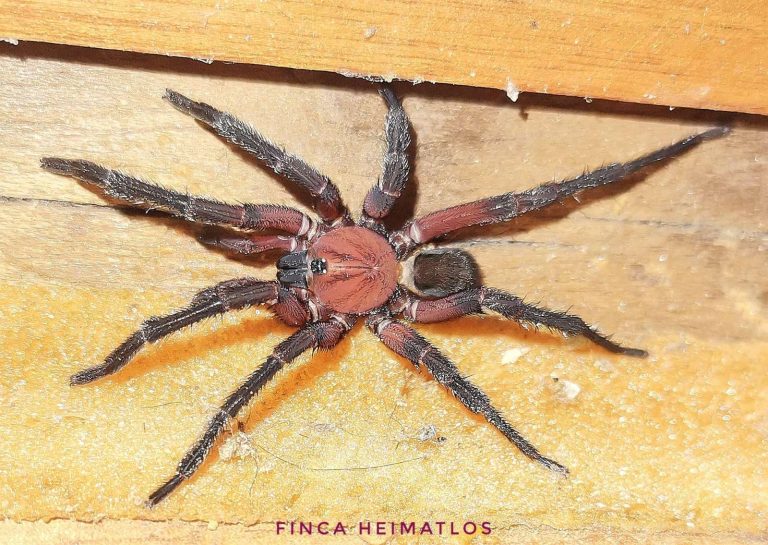
Cats, dogs, chickens, lizards, frogs, and many birds eat spiders. Here is which pets eat them, what the risks are, and when to call a vet.
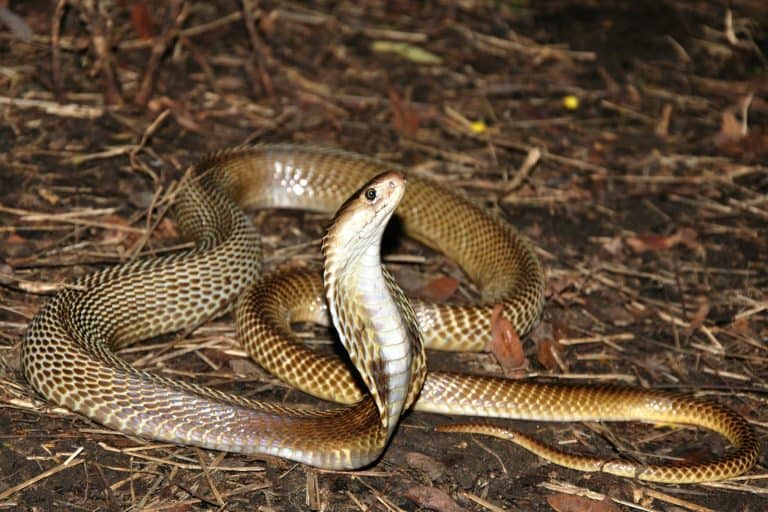
Ringneck snakes eat earthworms, slugs, small salamanders and tadpoles. Here is what to feed one and why they are best left in the wild.