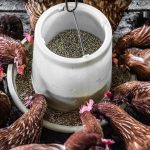
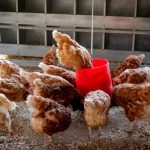
Pellets and crumbles are the same feed in different shapes, so neither is more nutritious. Pellets are compressed cylinders, crumbles are pellets broken into smaller pieces, and mash is the loose ground ingredients. Choose based on your birds’ age, how much mess you’ll tolerate, and what they actually eat.

Pellets
- Less dust and waste, because birds can’t pick out favorite bits.
- Store well and flow easily through feeders.
- Can be too large for chicks and bantams.
Crumbles
- Pellets broken down to a size that is easy for chicks and small breeds to swallow.
- Slightly more fines (dust) than pellets, which can end up on the ground.
- Usually the form for starter feed.
Mash
- Cheapest and often the most natural-feeling for hens, but dustier and prone to waste.
- Can be moistened or fermented to reduce dust (see soaking chicken feed).
What matters more than the shape
The type of feed for the bird’s life stage matters far more than pellet versus crumble:
- Starter (chicks): higher protein, around 18 to 20 percent. Can be medicated or unmedicated; follow the label.
- Grower: for young birds approaching maturity.
- Layer: about 16 percent protein with added calcium (around 3.5 to 4 percent) for eggshells. Don’t feed layer feed to chicks or roosters-only flocks long term, because the calcium is too high.
- All-flock or flock raiser: for mixed groups; offer oyster shell on the side for laying hens.
Our guides to chicken crumble feed, chicken finisher feed, and what is in commercial chicken feed go further.
Storage and feeding tips
- Store feed in a sealed metal or plastic bin, away from damp and rodents.
- Buy amounts you’ll use within a month or two; fat in the feed goes stale.
- Keep treats under about 10 percent of the diet so they don’t dilute balanced nutrition.
- Provide grit if birds don’t free-range, and clean water at all times.
Bottom Line
Pick the form your flock eats cleanly and that fits their age: crumble for chicks and small birds, pellets to cut waste for adults. A flock with health concerns should see an avian or poultry veterinarian. This is general information, not veterinary advice.