“The Barkery” is a name used by many small dog bakeries, so the treats differ from one shop to the next. This guide explains what to look for in bakery-style dog treats, so you can judge whichever Barkery you’re considering.

What Bakery-Style Dog Treats Usually Are
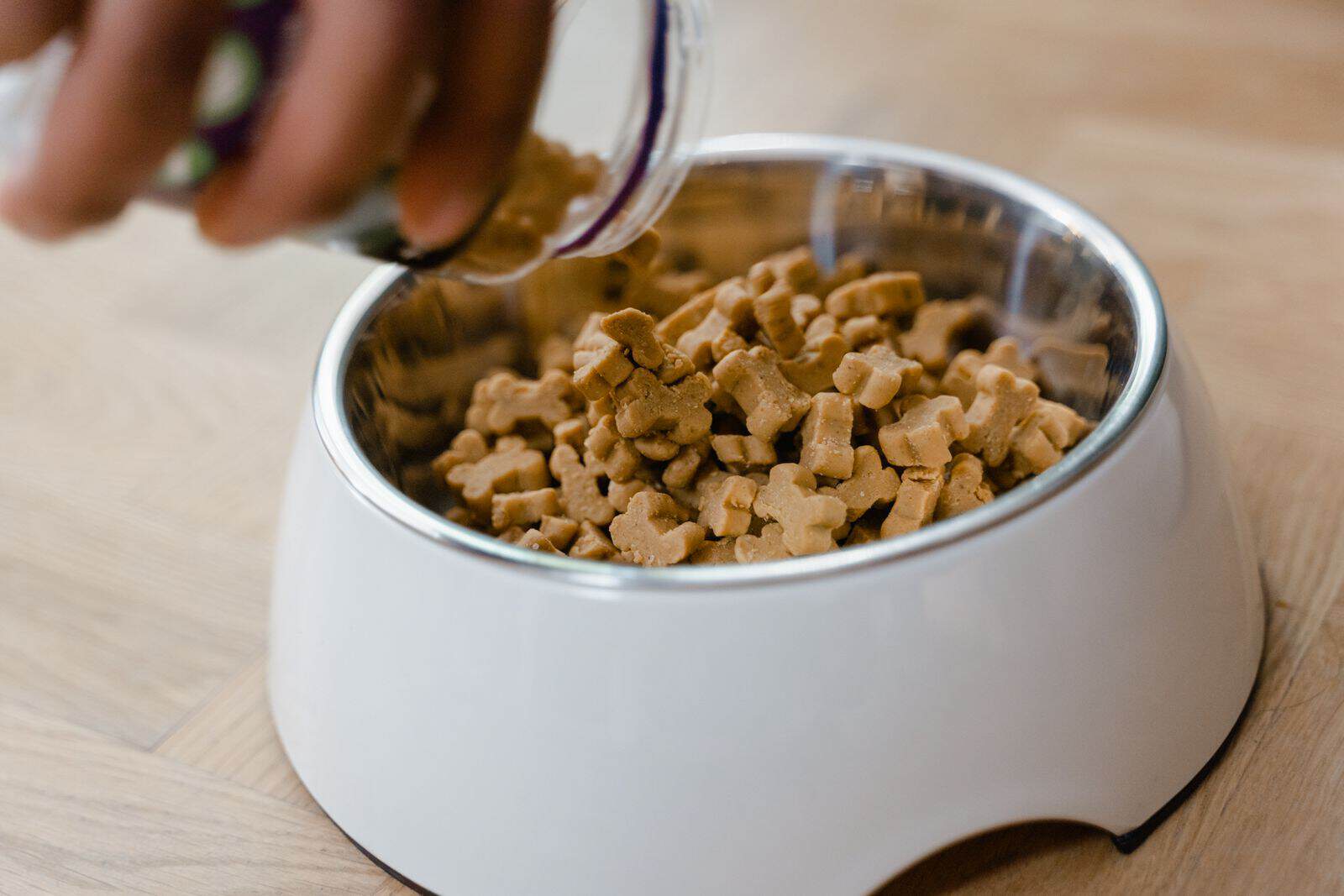
Bakery treats are baked in small batches from simple ingredients such as oat or wheat flour, peanut butter, pumpkin, sweet potato, banana, carrot or meat. Some shops sell biscuits, cookies, soft chews and “pupcakes” for birthdays.
What to Check on the Label
- Ingredient list: short and recognizable is best. Avoid artificial colors and unnecessary sugar or salt.
- Xylitol: this sweetener is toxic to dogs. Never buy a treat that contains it. Check peanut butter ingredients too.
- Allergens: if your dog has a food allergy, ask about wheat, dairy, chicken, beef and eggs, and whether treats are made on shared equipment.
- Calories per treat: bakery treats can be calorie-dense. Ask for the number.
- Shelf life: treats without preservatives need to be frozen or used within a short time.
How Many Treats Are Okay?
Treats should make up no more than about 10 percent of your dog’s daily calories. Break large biscuits into small pieces, and cut back the regular meal slightly on days with extra treats.
Healthy Low-Calorie Alternatives
- Carrot sticks and green beans
- Plain, seedless apple slices
- Plain cooked pumpkin
- Plain air-popped popcorn without salt or butter
Avoid grapes, raisins, onions, chocolate and anything with xylitol.
Dogs With Health Conditions
If your dog has kidney disease, pancreatitis, diabetes or a weight problem, ask your vet before giving bakery treats. This article is general information, not veterinary advice.
Bottom Line
A good Barkery treat has a short ingredient list, no xylitol, and a clear calorie count. Keep treats to about 10 percent of daily calories and ask your vet if your dog has special dietary needs.
Related reading: Pedigree Dentastix, Kirkland canned dog food review and Nature’s Menu dog food review.