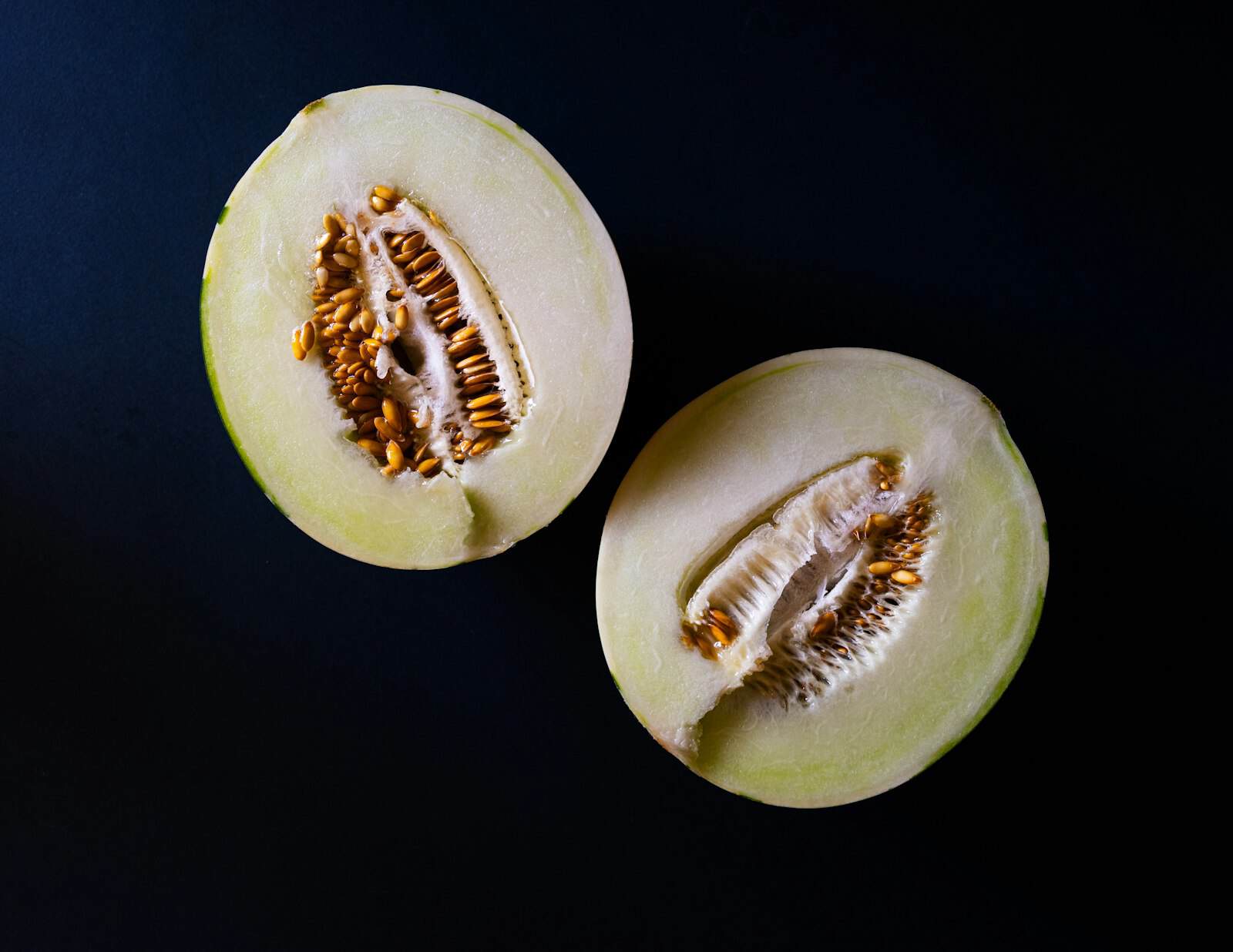
Yes, guinea pigs can eat honeydew melon, but only as an occasional treat. A small cube of ripe flesh, with the rind and seeds removed, once or twice a week is plenty, because honeydew is high in natural sugar.

Most guinea pigs love the sweet taste, which is exactly why it’s easy to overdo. Here’s how to make honeydew a safe, healthy treat.
Is Honeydew Good for Guinea Pigs?
In small amounts, honeydew offers a few benefits:
- Vitamin C: Guinea pigs can’t make their own vitamin C, so every bit from food helps. Honeydew has some, though far less than bell peppers.
- Hydration: Honeydew is mostly water, which can be a nice, refreshing bite on a warm day.
- Potassium: Supports normal muscle and nerve function.
- Enrichment: A new taste and texture can make snack time more interesting.
The Downsides of Too Much Honeydew
Honeydew’s sugar is the main concern. A guinea pig’s digestive system is designed for hay and leafy plants, not sweet fruit. Too much honeydew can lead to:
- Diarrhea or soft stools from the sugar and high water content
- Weight gain if treats are given often
- Upset gut bacteria, which can make a guinea pig feel unwell and eat less
- Dental issues over time from frequent sugary snacks
How Much Honeydew Can Guinea Pigs Eat?
- Serving size: About one small cube (roughly 1 inch) per guinea pig.
- How often: Once or twice a week at most, and not on the same day as other fruit.
- First time: Offer just a bite and watch for soft droppings over the next 24 hours.
Fruit of any kind should be a small extra on top of a diet built on unlimited hay, about a cup of fresh vegetables a day, and a small amount of plain guinea pig pellets. Our guide to what guinea pigs eat explains the full daily menu.
How to Prepare Honeydew for Your Guinea Pig
- Pick a ripe melon. The flesh should be soft and fragrant, not mushy or fermented.
- Wash the outside. Rinse the melon before cutting so dirt and residue from the rind don’t get on the flesh.
- Remove the seeds. Honeydew has a center full of seeds. Scoop them all out, as they can be a choking risk.
- Cut off the rind. The tough outer skin is hard to chew and digest and may carry pesticide residue. Serve only the soft flesh.
- Cut a small cube. Keep the portion small and serve it at room temperature or lightly chilled, not frozen.
- Clean up. Remove any uneaten melon within an hour or two. Sweet, wet fruit spoils fast and attracts flies.
Can guinea pigs eat honeydew rind or seeds?
It’s best to skip both. Stick to the soft flesh only.
Can guinea pigs eat other melons?
Yes, cantaloupe and watermelon can be given the same way: small portions, no rind, no seeds, and only occasionally. See Can Guinea Pigs Eat Cantaloupe? for more.
Can guinea pigs eat dried or canned honeydew?
No. Dried fruit has concentrated sugar, and canned fruit is often packed in syrup. Fresh is the only safe option.
Healthier Everyday Alternatives
If you’re looking for vitamin C without all the sugar, these vegetables are better daily choices:
- Bell peppers (red, yellow, or green)
- Romaine or green leaf lettuce
- Cilantro
- Parsley (a few times a week)
And remember that some foods should never be offered at all. Check our list of foods that are toxic to guinea pigs.
When to Call Your Vet
Call your vet if your guinea pig has diarrhea lasting more than a day, stops eating, has fewer droppings than usual, or seems lethargic or hunched. Guinea pigs can become seriously ill quickly when their gut slows down.
Bottom Line
Honeydew melon is safe for guinea pigs as an occasional treat. Serve a small cube of fresh, ripe flesh with the rind and seeds removed, no more than once or twice a week. Keep hay, vegetables, and plain pellets as the main diet, and save sweet fruit for a special snack.
This article is for general information only and isn’t a substitute for professional veterinary advice. If you have concerns about your guinea pig’s diet or health, talk to a vet who treats exotic pets.
