No single dog food cures a yeast infection. The right food helps only when a food allergy or sensitivity is driving the problem, so the best plan starts with a vet diagnosis. Yeast (Malassezia) normally lives on dog skin and in ears. It overgrows when something else is wrong, most often allergies, skin folds, moisture or a weak skin barrier.

General information, not veterinary advice. Yeast infections need a vet exam and often medicated treatment.
Signs of a yeast infection
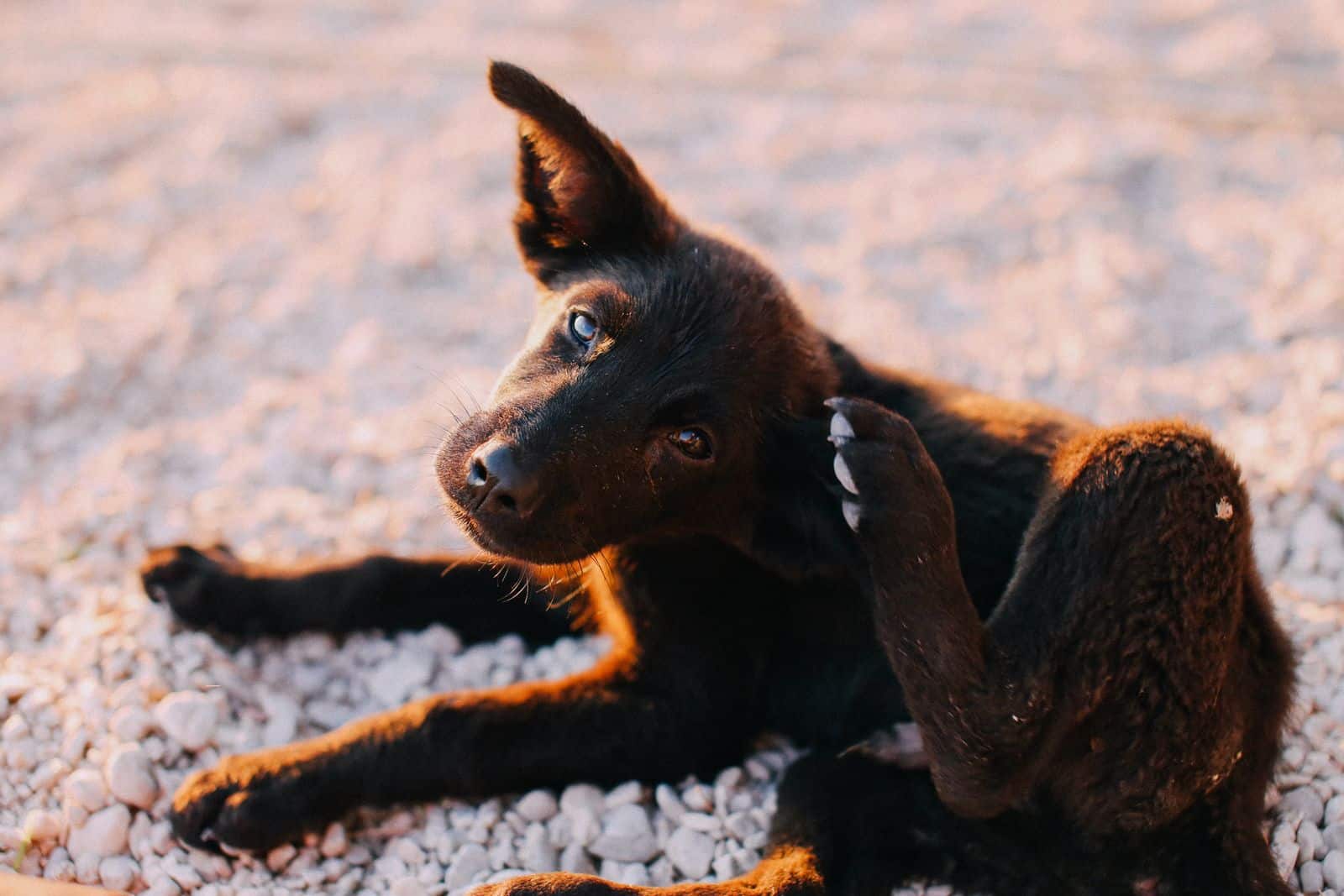
- Itchy, red or greasy skin, often in the ears, paws, armpits, groin or skin folds
- A musty or “corn chip” smell
- Dark, thickened skin and hair loss in long-term cases
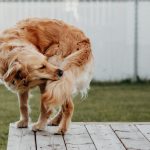
- Head shaking, scratching at the ears or licking the paws
Does diet cause yeast?
You will see claims that sugar or carbohydrates “feed yeast” and that you can starve it with a low-carb diet. That has not been proven in dogs. What is well documented is that food allergies can cause itchy, inflamed skin and ears, and that yeast then takes advantage. Treating the allergy and the infection together is what helps.
What kind of food may help
- A prescription or novel-protein diet. If your vet suspects a food allergy, they may recommend a strict elimination diet for 8 to 12 weeks using a hydrolyzed protein or a protein your dog has never eaten. Our review of Hill’s hypoallergenic dog food explains these diets.
- Limited-ingredient foods. These can help some dogs, but over-the-counter versions are not always as strict as prescription diets, so cross-contamination can occur.
- Omega-3 fatty acids. Fish oil in the right amount may improve skin health. Ask your vet for a product and dose for your dog.
- A complete and balanced diet. Look for an AAFCO statement on the label, and avoid dramatic homemade diets unless a veterinary nutritionist designs them.
What to avoid
- Treats, chews, table scraps and flavored medications during an elimination trial
- Giving over-the-counter antifungal products or supplements without veterinary advice
- Switching foods every week, which makes it hard to see what is working
What your vet may do
- Take a skin or ear sample to look at yeast under a microscope
- Prescribe medicated shampoos, wipes or oral medication
- Test for allergies and recommend long-term management
- Check for underlying conditions such as hormonal disease
Everyday care
- Dry your dog thoroughly after baths and swimming, especially skin folds and ears.
- Clean ears only as your vet shows you.
- Wipe paws after walks to remove allergens.
- Keep your dog at a healthy weight, since extra skin folds trap moisture.
For hot-weather irritation, see our post on dog heat rash, and for ideas on special-needs diets, our low purine dog food article.
Bottom Line
Food is part of managing yeast problems, not a cure by itself. See your vet to treat the infection and find the cause, try an elimination diet if allergies are suspected, and keep your dog’s skin clean and dry.