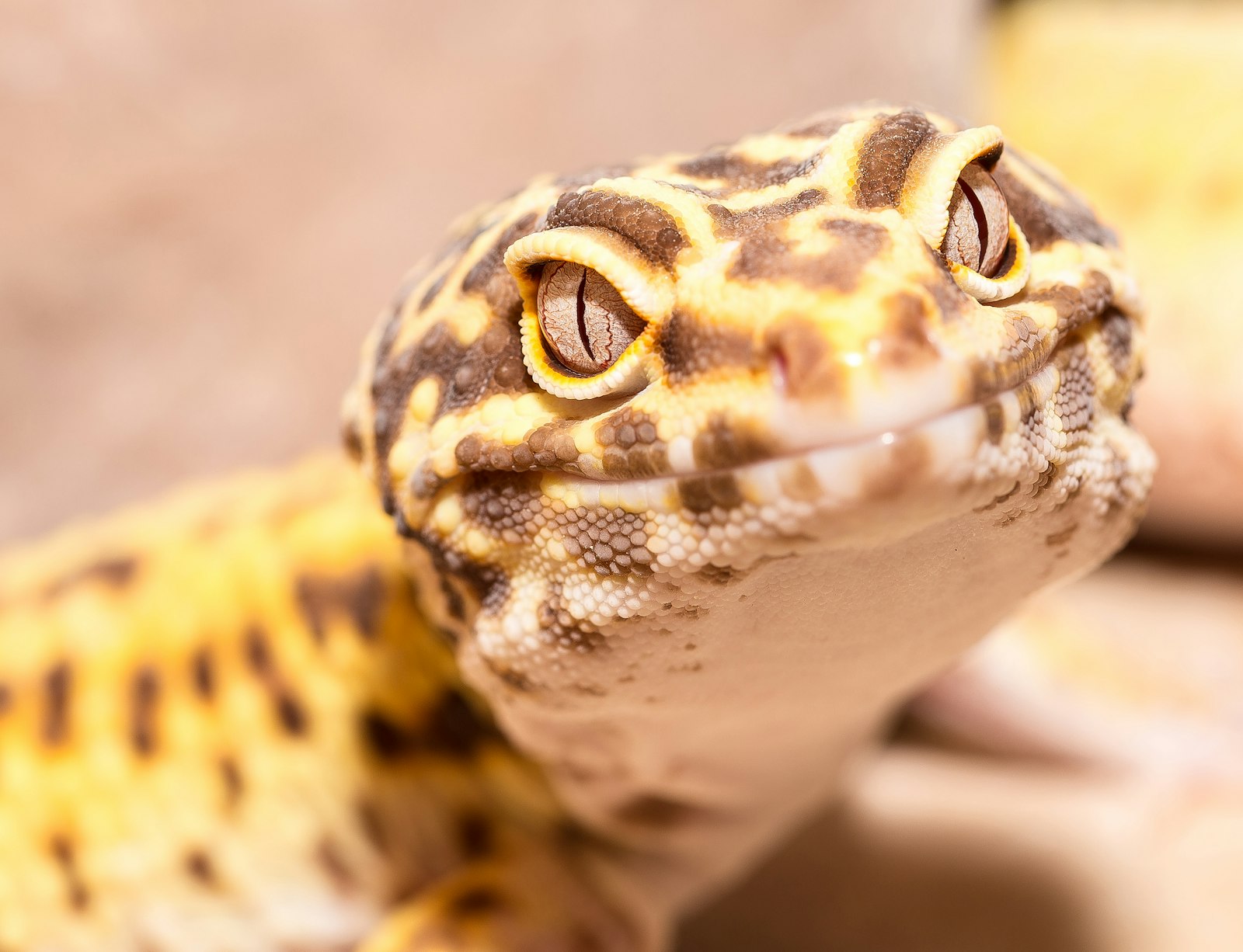
The best treats for leopard geckos are fatty feeders like waxworms, butterworms, and superworms, offered only now and then. Their daily diet should stay with staples such as crickets and dubia roaches.

Think of treats as dessert. A gecko that eats too many fatty insects can gain weight quickly, so keep treats to a small share of what it eats.
Good Treat Options
Waxworms
Many geckos love them, and they are high in fat. Offer one or two once in a while, not every week for most adults.
Superworms
These are larger and higher in fat than mealworms. They suit adult geckos only, as a small portion now and then. Many keepers crush or remove the head of the worm to be safe, since the jaws can bite and a live worm can burrow.
Butterworms
Soft, fatty, and bright. Treat them like waxworms, a rare extra.
Silkworms and Hornworms
Both are soft-bodied and high in moisture, and are often considered a gentler treat than the fatty worms. They can cost more and are harder to find.
Phoenix Worms (Black Soldier Fly Larvae)
These are naturally higher in calcium than many feeders, which makes them a handy occasional extra. They are still a supplement to the main diet, not a replacement for calcium dusting.
Staples vs. Treats
- Staples: crickets, dubia roaches, and similar insects, fed on a regular schedule.
- Treats: waxworms, butterworms, superworms, and similar fatty feeders, offered occasionally.
Our guide to what to feed a leopard gecko covers the full schedule, and feeding a leopard gecko in captivity explains setup basics.
How to Offer Treats Safely
- Buy feeders from a reputable supplier. Do not feed wild-caught insects, which can carry parasites or pesticides.
- Feed insects that are no longer than the space between your gecko’s eyes.
- Gut-load feeders with nutritious food before feeding.
- Dust insects with calcium (and vitamins on the schedule your vet or breeder suggests).
- Remove uneaten live insects so they do not bother your gecko.
- Skip fireflies, which are toxic to reptiles, and avoid anything with dyes or preservatives.
Can Geckos Have Prepared Foods?
Some keepers offer commercial reptile foods as an extra. Our reviews of Repashy Grub Pie for leopard geckos explain how it fits in. Check the label rather than assuming any product is complete.
Bottom Line
Pick one or two fatty feeders like waxworms or butterworms and offer them as occasional treats on top of a staple diet. If your gecko gets pudgy, refuses food, or acts sluggish, talk to a reptile vet.
This article is general information, not veterinary advice. Call a reptile vet with any health concern.
