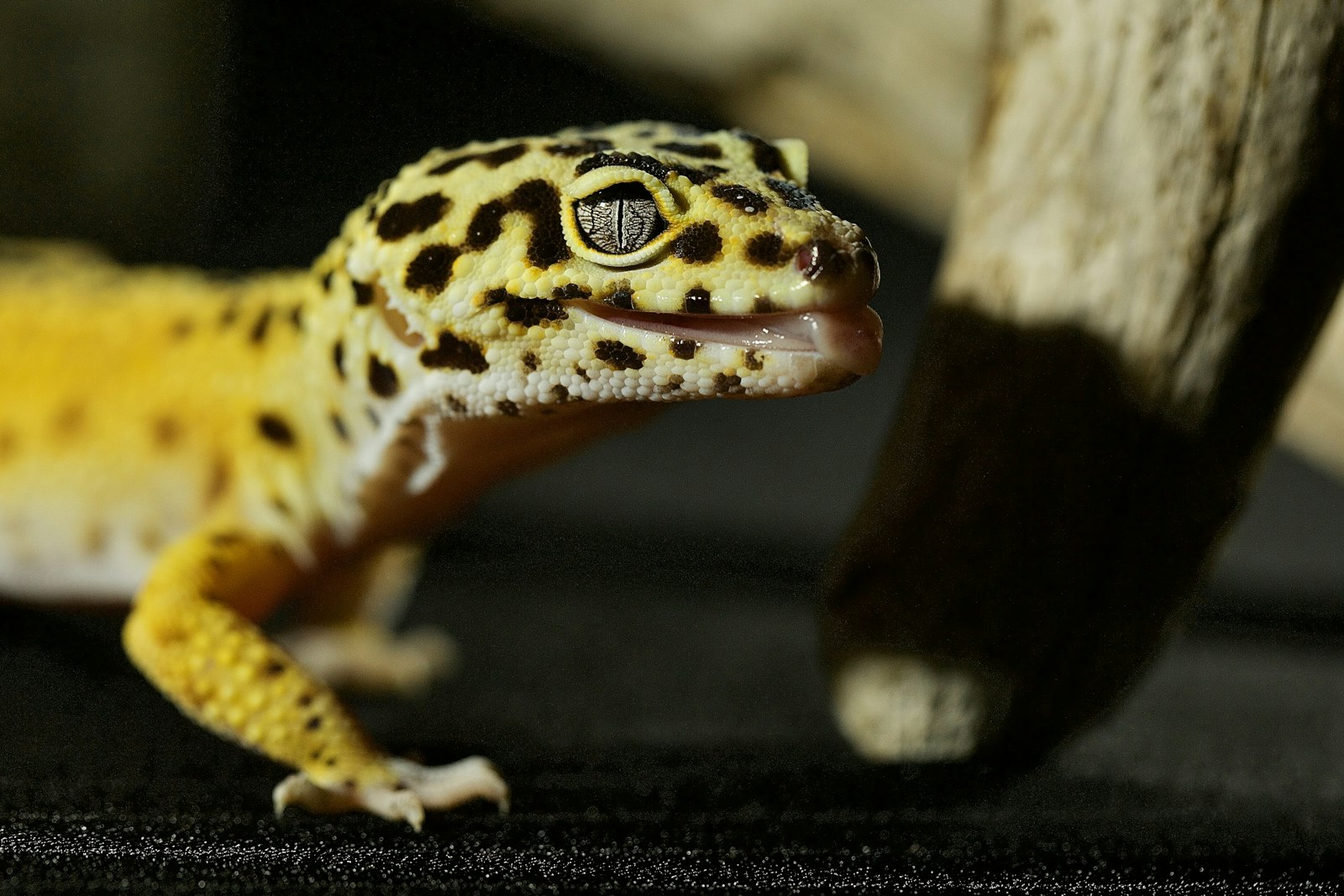
Yes, leopard geckos can eat Repashy Grub Pie, but it works best as a backup and a variety food, not the whole diet. Repashy itself says live, gut-loaded insects should make up the bulk of an insect-eating reptile’s menu, with Grub Pie as a balanced add-on and an emergency backup.

Many leopard geckos ignore food that doesn’t move, so expect some trial and error. This guide covers what is in Grub Pie, how to mix it, and how to get a gecko to try it.
What Is Repashy Grub Pie?
Grub Pie is a powder you mix with boiling water. It sets into a firm gel you can cut into small pieces, or you can leave it thinner as a paste or slurry. The main ingredient is black soldier fly larvae meal, so it is built on insects, which suits a leopard gecko’s natural diet.
Based on the product listing, the powder also contains seaweed, kelp, dried watermelon, lecithin, locust bean gum, calcium carbonate, taurine, plant extras like rose hips and marigold, chelated minerals, and added vitamins including A, D3, C, and E. The guaranteed analysis lists at least 43% crude protein, at least 10% crude fat, no more than 10% fiber, and at least 1.4% calcium. Check the jar you buy, since formulas can change.
How to Make It
- Mix 1 part powder with about 3 parts water in a heat-safe bowl.
- Heat the mix on the stove or in the microwave until it starts to boil, then stir it again.
- Pour it into a shallow dish or mold and let it cool to room temperature until it sets.
- Cut it into pieces smaller than the space between your gecko’s eyes.
Use less water for a firmer gel and more for a softer one. Leopard geckos often take a soft gel more easily at first.
How to Store It
- Powder: keep the jar sealed in a cool, dry spot.
- Prepared gel: refrigerate it in a sealed container for up to 14 days.
- Freezer: the gel keeps up to six months. Freeze small portions so you only thaw what you need.
- In the enclosure: take out leftovers the same day, since gel dries out and can spoil.
How Grub Pie Fits Into a Leopard Gecko Diet
Leopard geckos are insect eaters. Good vet and welfare sources recommend a mix of gut-loaded feeder insects such as crickets, roaches, and other worms. Waxworms are a high-fat treat and should be rare.
The RSPCA suggests feeding juveniles daily and adults every other day, with prey no bigger than the gecko’s head. LafeberVet says adults are usually fed once a day in the late afternoon because geckos are active at night. Either way, watch your own gecko’s weight and tail and adjust.
Grub Pie can fit in a few ways:
- Backup meal: handy if you run out of feeders or can’t get to the store.
- Variety: offer it now and then in place of one insect meal.
- Topper: spread a thin layer over other food.
Getting a Gecko to Try It
- Offer a small, soft piece on feeding tongs and wiggle it like prey.
- Try it in the evening, when geckos are most active.
- Smear a little on a feeder insect so the scent is familiar.
- If your gecko refuses, skip it for a week or two and try again. Some never take it, and that’s fine.
Calcium and Supplements
Because Grub Pie already has calcium and vitamins, ask a reptile vet before adding extra supplements on the days you feed it. For the rest of the diet, LafeberVet recommends dusting insects with a low-phosphorus calcium supplement, and the RSPCA advises always keeping a small dish of plain calcium powder in the enclosure. Over-supplementing vitamins can cause problems, so follow the label.
Pros and Cons
Pros
- Insect-based ingredients
- Calcium and vitamins already included
- No live insects to keep on hand
- Stores well in the fridge or freezer
Cons
- Must be mixed with boiling water
- Many geckos refuse food that doesn’t move
- Not a substitute for a varied live-insect diet
Related Reading
For the full picture, see our general Repashy Grub Pie guide, our post on the best food for leopard geckos, and a look at mealworms for geckos.
Bottom Line
Repashy Grub Pie is a reasonable insect-based extra for leopard geckos. Mix 1 part powder to 3 parts water, store the gel in the fridge for up to two weeks, and offer it alongside gut-loaded live insects rather than in place of them. If your gecko won’t touch it, that’s normal.
This article is general information, not veterinary advice. If your gecko stops eating, loses weight, or has a thin tail, see a reptile vet.