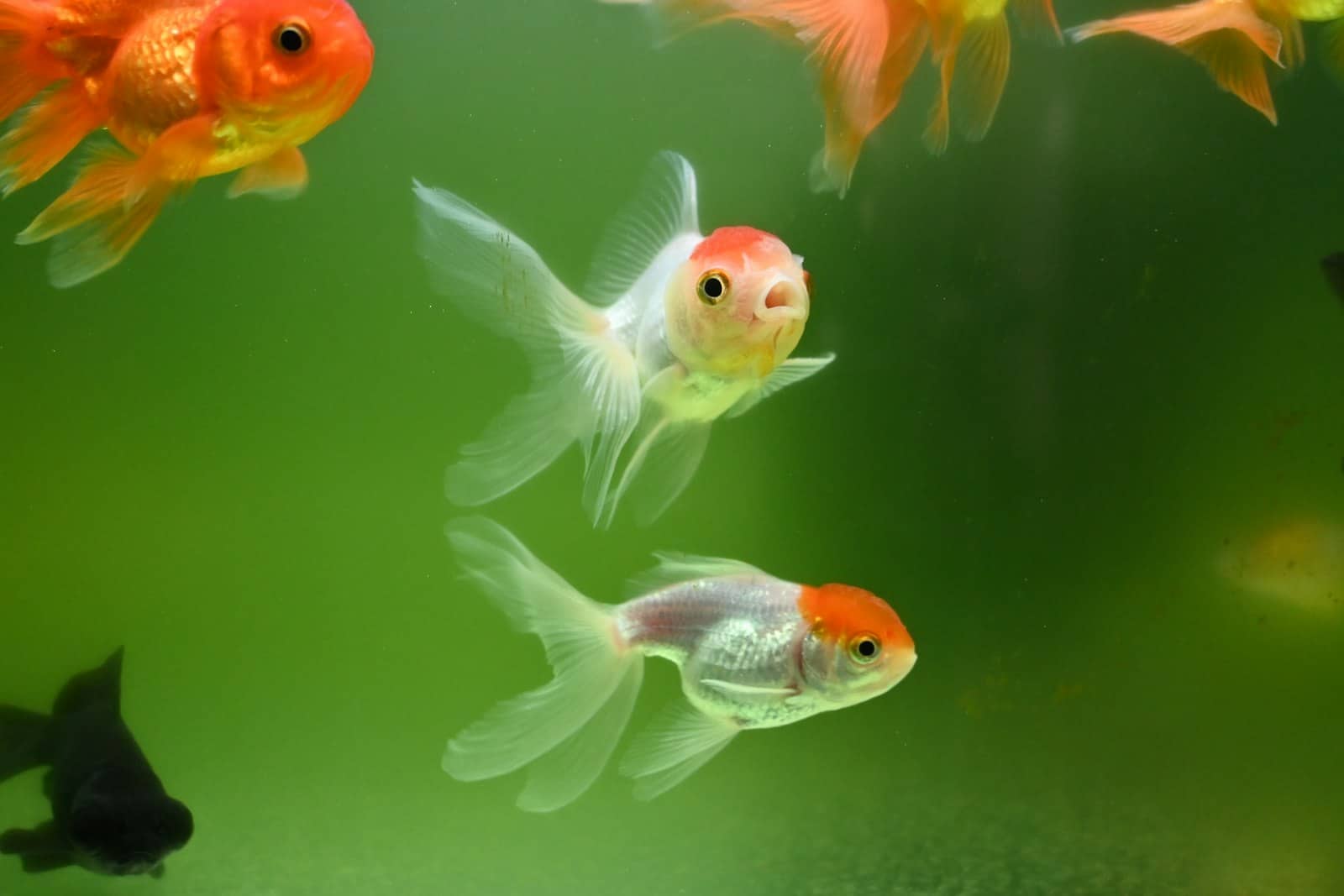
Wardley Goldfish Flake Food is a budget-priced staple that does the basics well. Fish meal is the first ingredient, it has no artificial colors and it includes stabilized vitamin C. It is a fine everyday food for healthy goldfish, as long as you add some variety, because much of the recipe is made up of wheat, rice and corn ingredients.

Quick Facts
- Maker: Wardley, a brand of The Hartz Mountain Corporation
- Made for: goldfish of all life stages
- Type: large floating flakes
- Common sizes: 1.95 oz, 3 oz and 6.8 oz containers
- Key claims: no artificial colors or dyes, stabilized vitamin C for immune support, and a digestible formula for less waste and cleaner water
What’s in Wardley Goldfish Flakes?
The published ingredient list starts with fish meal, followed by wheat flour, rice flour, corn gluten meal, wheat germ meal and fish oil. Further down you will find alfalfa meal, brewer’s dried yeast, algae, shrimp meal and krill meal, plus added vitamins and minerals.
Here is what that tells you:
- Protein comes mainly from fish meal. That is a digestible protein source for goldfish and a good first ingredient.
- Grains do a lot of the work. Wheat, rice and corn ingredients hold the flake together and keep the price down. Goldfish are omnivores and handle plant-based ingredients well, but these are not the most nutritious parts of the food.
- There is some plant and shellfish content. Alfalfa, algae, shrimp and krill add variety and natural pigments.
- No dyes. Many cheap flakes use artificial colors to look appealing to buyers. Wardley leaves them out.
What We Like
- Fish meal is the first ingredient
- No artificial colors
- Stabilized vitamin C, which holds up better in storage than ordinary vitamin C
- One of the least expensive goldfish foods on the shelf, and widely sold at big-box stores
What to Watch
- Cereal-heavy recipe. Several of the top ingredients are grain flours and meals.
- Large flakes. Small or young goldfish may struggle with them. Crush the flakes between your fingers first.
- Flakes float. Goldfish gulp at the surface to eat them. Some keepers of round-bodied fancy goldfish prefer sinking food for that reason.
- Don’t confuse it with Wardley Tropical Flakes. That is a different product made for tropical community fish. Goldfish do best on a goldfish formula.
How to Feed It
- Feed a small pinch once or twice a day.
- Give only what your fish finish within a couple of minutes, and remove leftovers.
- Keep the lid on tight and use the container within a few months of opening, since vitamins fade over time.
- Mix in other foods a few times a week: blanched shelled peas, leafy greens, sinking pellets or frozen daphnia.
Overfeeding is the most common goldfish feeding mistake. Goldfish beg constantly, and extra food turns into waste that fouls the water. When in doubt, feed less.
Wardley vs. TetraFin
The obvious alternative is TetraFin, covered in our Tetra Fin Goldfish Flakes review. Both are complete, inexpensive flake foods. Wardley is typically one of the cheapest options and is made without artificial colors. TetraFin is easy to find almost anywhere and adds Tetra’s own vitamin and omega-3 blend. Most goldfish will do well on either one.
If your fish are getting bigger, Wardley Goldfish Pellets are less messy than flakes. You can also compare more brands in our guide to the best goldfish flakes.
Bottom Line
Wardley Goldfish Flake Food is a sensible low-cost staple with fish meal first and no added dyes. It is not a premium food, and the grain content is high, so treat it as the base of the diet and add vegetables and other foods through the week. Feed lightly and your goldfish and your water quality will both be better for it.
If your goldfish stops eating, has trouble swimming or looks unwell, test your water first and contact a veterinarian who treats fish.


