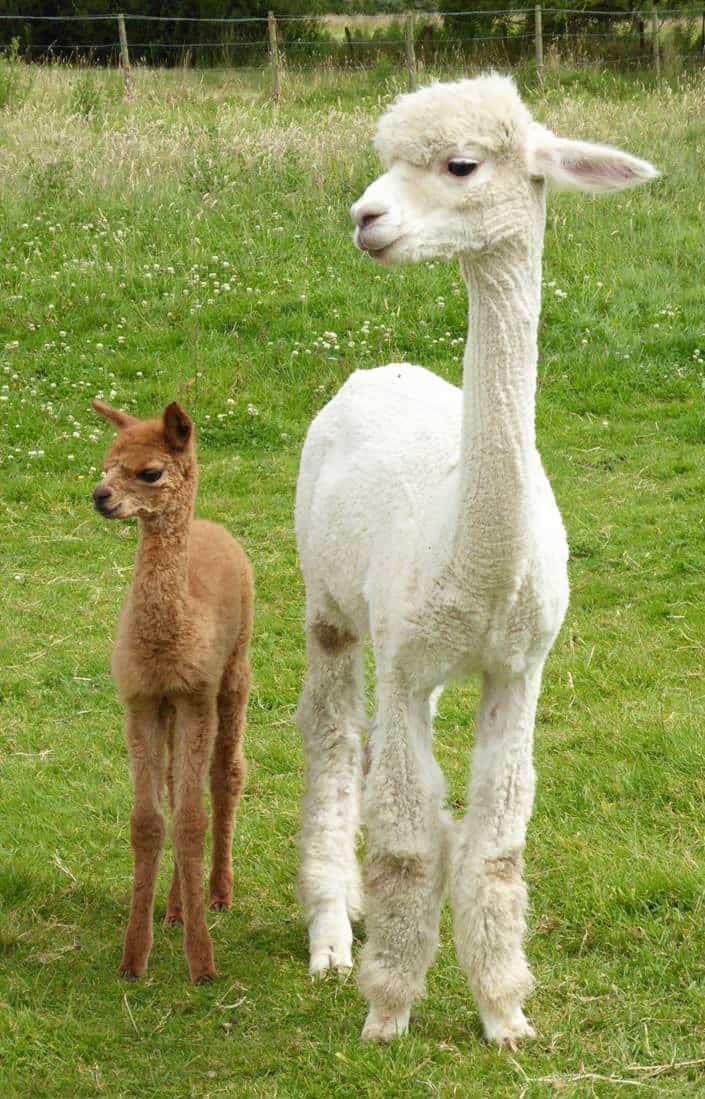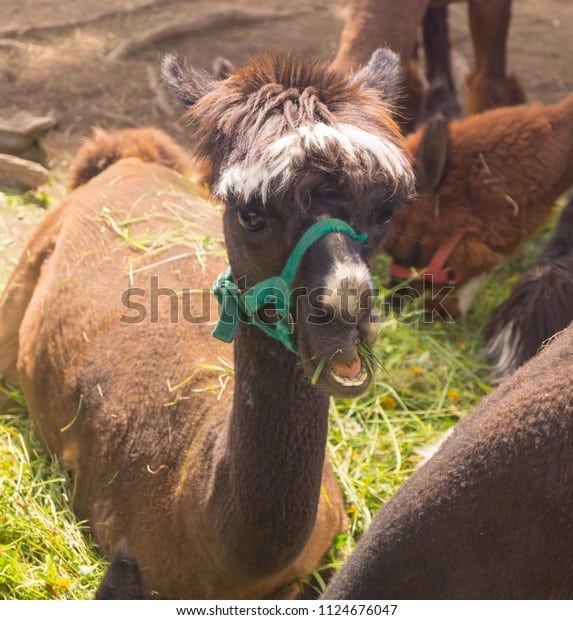
Alpacas mostly like to graze on grass and eat good grass hay. As treats, many enjoy small pieces of carrot, apple and pumpkin. Treats should be cut small and kept to a handful, because their stomachs are built for fiber, not sugar or grain.

The foundation: grass and hay
An alpaca’s diet should be mostly pasture and grass hay. Many owners also use a mineral supplement made for camelids, and a camelid pellet for some animals. See the best grass for alpacas and alpaca pellets.
Treats alpacas often enjoy
- Carrots, sliced thin or shredded (never whole)
- Apples, cut into thin slices, with seeds removed
- Pumpkin and squash, cut up
- Romaine and other leafy greens, in small amounts
- Watermelon, in small pieces, on hot days
Treats should be occasional. Too much fruit or sugar can upset the stomach. For more, see what vegetables alpacas can eat and alpacas and apples.
Browse and variety
Alpacas also nibble leaves and some safe shrubs and weeds, such as dandelion leaves. Be careful, because many ornamental plants are toxic. Never assume a plant is safe.
Foods to avoid
- Large amounts of grain or sweet feed, which can lead to acidosis and ulcers
- Bread, cereal, candy and other human snack foods
- Avocado, onions and garlic
- Moldy hay or spoiled produce
- Toxic plants such as oleander, rhododendron, azalea, yew and bracken fern
See also what alpacas cannot eat.
Water and minerals
Alpacas need constant access to clean water. In cold weather, keep it from freezing and offer lukewarm water if needed. Camelid minerals formulated for your region help cover trace nutrient needs, and your vet can advise on vitamin D and selenium in your area. Read our guide on vitamins A, D and E for alpacas.
This is general information, not veterinary advice. Call a vet if your alpaca stops eating, chokes or seems ill.
Bottom Line
Alpacas like grass most of all. Give them good pasture or hay, mineral support and clean water, and add small, chopped treats now and then.