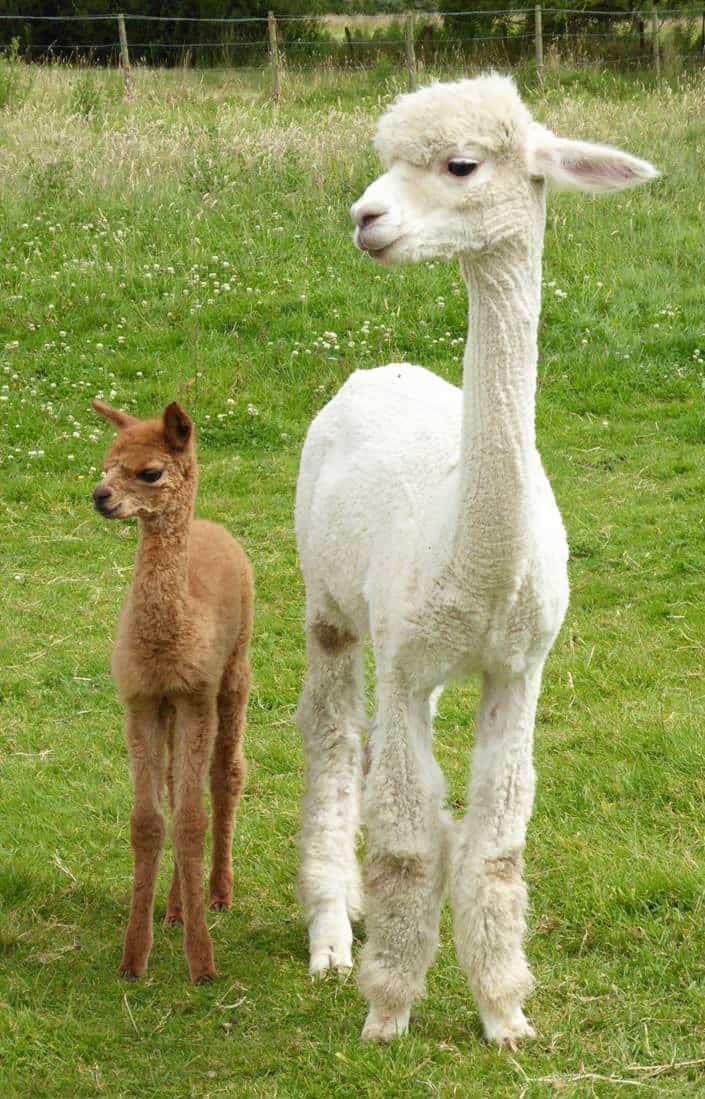
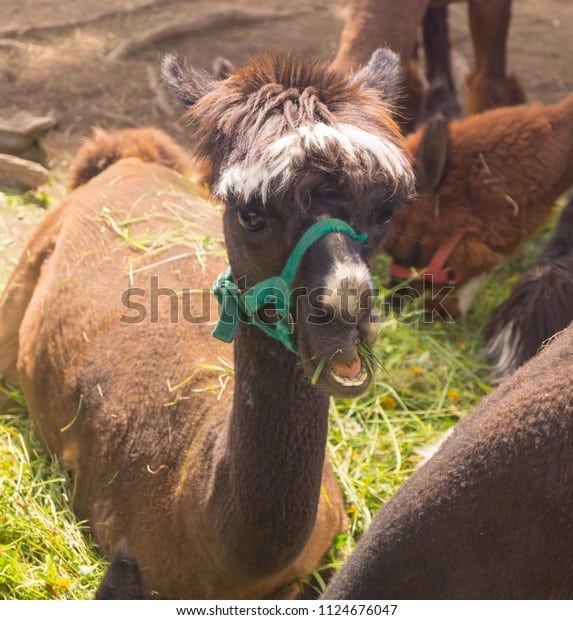
The best pasture for alpacas is a mix of cool-season grasses, such as orchardgrass and meadow fescue, with white clover mixed in. Alpacas need much less feed than cattle, so a moderate, well-managed pasture works better than a lush, rich one. Extension guidance from the University of Wisconsin points to orchardgrass, meadow fescue and white clover as good choices.

Best Grasses for Alpaca Pastures
- Orchardgrass: grows well, has a long growing season and recovers after late-summer dry spells.
- Meadow fescue: handles heavy foot traffic and yields well in fall. It is slow to establish, so plant it in early spring.
- White clover: the best legume for alpaca pastures. It holds up under close grazing and is easy to establish.
Local conditions matter. A grass that thrives in Wisconsin may struggle in Texas, so ask your county extension office which varieties suit your area.
Grasses and Plants to Be Careful With
- Alfalfa: has more protein and calcium than alpacas need, which can contribute to kidney problems and stones. Use it sparingly or not at all.
- Timothy: a popular hay, but as a pasture grass it can fail in summer heat and drought.
- Perennial ryegrass: may not survive cold winters in some regions.
- Reed canarygrass: some varieties contain alkaloids that make them unpalatable or toxic, and it is invasive.
- Tall fescue: can carry a fungus (endophyte) that causes problems in some livestock. Ask your extension office or vet whether it is a concern in your area.
How Tall Should the Grass Be?
Alpacas tend to avoid very tall, stemmy grass. Because they eat so little compared with cows, grazing shorter forage is an acceptable trade-off for lower yield. Rotating paddocks keeps grass at a good height and helps with parasite control.
Hay When Pasture Is Not Enough
Alpacas need hay when pasture is dormant, wilted or covered in snow. Good grass hay, such as orchardgrass or a grass mix, is a safe base. Avoid moldy or dusty bales and very mature, coarse hay, which is harder to digest. Change feed gradually, because sudden diet changes can upset an alpaca’s stomach.
Pasture and Parasite Control
Internal parasites are a real concern in alpaca herds. White clover pastures can help reduce how many larvae animals pick up, and rotating pastures helps break the parasite cycle. Do not guess at deworming. Work with your vet on a testing and treatment plan, because overuse of dewormers has produced resistant parasites.
Related Reading
Bottom Line
Plant a mix of orchardgrass or meadow fescue with white clover, limit alfalfa, keep grass at a modest height, and back it up with clean grass hay. Check local recommendations before seeding.
This article is general information, not veterinary advice. For feeding, parasite or health questions, call your vet.