There are several options when it comes to feeding corals. Some of these include Plankton products, Fish poop, Pellets, and Dry foods. While these options may not be the best for your corals, they do provide some additional nutrition. Plankton is a naturally occurring substance that your corals can absorb.

Contents
Plankton products
Plankton products are an easy way to provide corals with the micro-organisms they need to grow healthy, vibrant corals. These planktonic organisms come in a variety of sizes, from 3 to 20 micrometers in length. Phytoplankton are found in seawater and can be grown in a home aquarium. While cultured phytoplankton is an ideal choice, some aquarists choose to supplement the food supply of their corals with prepared phytoplankton products.
Corals primarily feed on bacterioplankton, which are bacteria that live in the water. These bacteria are associated with decaying organic material, commonly known as detritus. Apart from bacterioplankton, corals also feed on zooplankton, floating eggs, and pseudoplankton. These non-swimmers absorb dissolved organic material directly into their cell membranes.
Dry foods
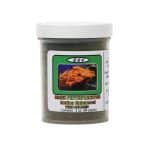
Most dry foods for corals are devoid of highly unsaturated fatty acids (PUFAs). These fatty acids are crucial for coral growth and development. However, most commercial dry foods for corals do not contain them. A good choice is REEF RECIPE, which contains PUFAs and HUFAs, essential for the health of your corals.
Unlike other dry foods, REEF RECIPE contains a wide range of micron sizes, allowing it to feed almost any type of coral. Corallimorphs, soft corals, anemones, and suspension feeders all benefit from this blend. This dry food also has a minimum protein content of 58%, which is much higher than most other dry foods for corals.
Fauna Marin is a leading manufacturer of dry food for corals. The company is German-based and has a solid reputation in the reef aquarium hobby. It offers a wide range of dry foods for corals, including LPS pellets and Zoanthid and Ricordea powder.
Fish poop
Scientists have discovered that fish poop can be a valuable source of nutrients for corals. These feces contain living symbiotic dinoflagellate algae that corals need for survival. Fish feces also contain other beneficial microbes. In fact, researchers found that fish feces tended to increase the number of bacteria on corals in tanks with warmer water than those kept at cooler temperatures.
Corals get 70 to 80 percent of their nutrition from zooxanthellae. Scientists have studied photosynthesis, food consumption, and bacterial activity to discover the exact nutritional requirements of corals.
Tubastrea species
There are several ways to feed a Tubastrea species. This ahermatypic coral has large polyps and will readily accept larger pieces of food. Feeding this coral regularly is essential to maintain its health. It will open its tentacles at specific times of the day if consistently fed.
Tubastrea species are very easy to keep. They require good flow and are very hardy. No special lighting is needed, but you will need to avoid placing them under ledges because this can lead to algae growth. Make sure that your aquarium is well-ventilated, as algae can cause the coral to die if it becomes smothered by algae.
Phytoplankton are a great source of food for corals. Phytoplankton come in many different sizes, and the optimum range for corals is three to twenty micrometers. You can culture your own phytoplankton, or use one of several commercial products.