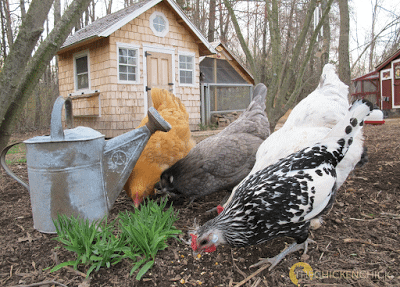
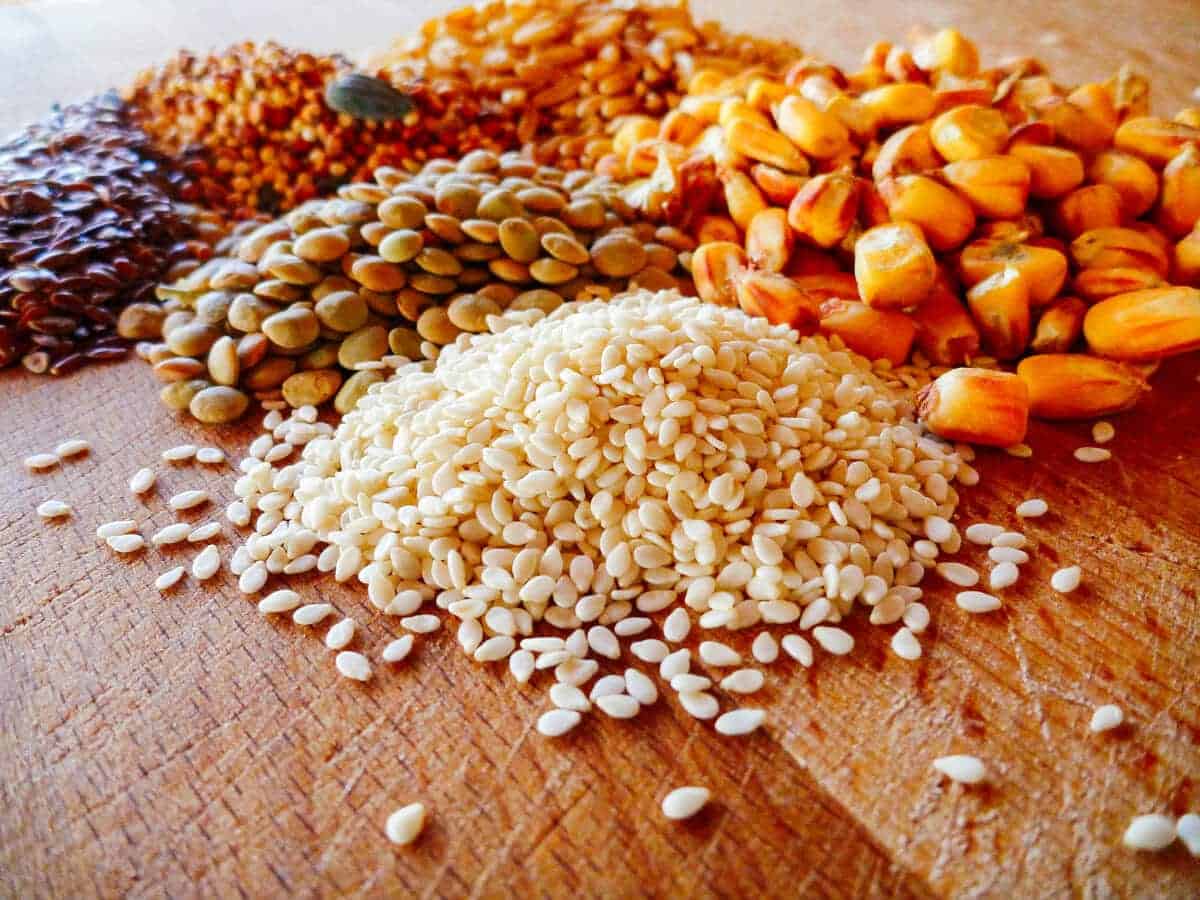
A chicken feed mix is a formula that contains all the essential components that are needed to maintain the health and well-being of your flock. It consists of a combination of protein, carbohydrate, fat, minerals and vitamins.

This mixture can be made for any type of chicken, from broilers to laying hens. However, it is important to keep the specific nutritional needs of each type in mind when mixing homemade chicken feed.
Contents
Protein
Protein is essential to a healthy chicken diet. It supports growth, egg production and immune function.
In addition, it is a necessary ingredient for the construction of feathers and the development of other organs in a chicken’s body. Typically, protein is found in feedstuffs such as soybean meal and fishmeal.
It is also used in the manufacture of meat, eggs and poultry products. It is a good source of amino acids, vitamins and minerals.
Dietary proteins vary depending on the age and type of birds. For example, a day-old chick needs more protein than an adult laying hen. This is because the bird is growing in size, muscle and organs. In contrast, a mature laying hen does not need as much protein because she is no longer developing these systems.
Carbohydrates
Carbohydrates (compounds with carbon, hydrogen and oxygen) are an important energy source for animals. They can come as single molecules, in pairs like glucose and fructose, or in larger forms like plant starch or cellulose.
Chickens consume a large portion of their food as carbohydrates. These can come from a variety of sources, including corn, wheat, barley, and sorghum.
Protein is also an essential part of a poultry diet. In the feed industry, most protein is made from soybean meal, a by-product of the oilseed industry.
The protein content of a standard layer poultry feed is between 16 and 18 percent. When mixing your own ration, you can substitute grains to achieve a different protein level, but make sure that the percentage is similar.
Fats
Chickens require a diet that provides a balanced mix of vitamins, minerals and amino acids. Commercial feeds usually contain added supplements to meet these needs, but homemade poultry diets can also be made with a variety of ingredients to provide all of the necessary nutrients.
When mixing a homemade chicken feed, one important factor is the protein quality. A chicken’s protein requirements are determined by the presence or absence of the essential amino acids, methionine and lysine.
Commercial chicken feeds contain methionine and lysine supplements to help keep a chicken’s protein level within acceptable ranges. A deficiency in either of these amino acids can result in serious health problems for chickens.
Minerals
Minerals are vital for poultry health and function, and most chicken feeds contain a range of minerals. These include calcium, phosphorus, chlorine, sodium, potassium and magnesium, which are required for bone formation and electrolyte balance in the body.
Commercial feeds also provide microminerals (calcium, iodine, iron, manganese, selenium and zinc) in trace amounts that are important for chemical reactions. Although poultry have lower requirements for microminerals than many other animals, their overall health and well-being are negatively affected if they are deficient in any of these minerals.
Feed manufacturers test their ingredients to ensure optimum nutritional content. However, ingredients may change from batch to batch because of seasonal or growing conditions. For example, the availability of sunflower seeds changes from year to year. These changes will impact the nutritional value of the feed and require adjustments to the mix.
Vitamins
A good quality chicken feed mix will contain a variety of vitamins and minerals. Vitamins are needed for the growth and development of the chicken’s body, and they can also be used by the chicken as a source of energy.
Chickens need the fat-soluble Vitamins A, D and E as well as the water-soluble B Vitamins (biotin, niacin, riboflavin and thiamin). Minerals are necessary for bone formation, blood clotting, egg shell production and for chemical reactions.
Most chicken feeds have a balance of amino acids, minerals and vitamins. Often these are supplemented with extra nutrients such as vitamin D3, niacin, Vitamin B12, vitamin A and Riboflavin.