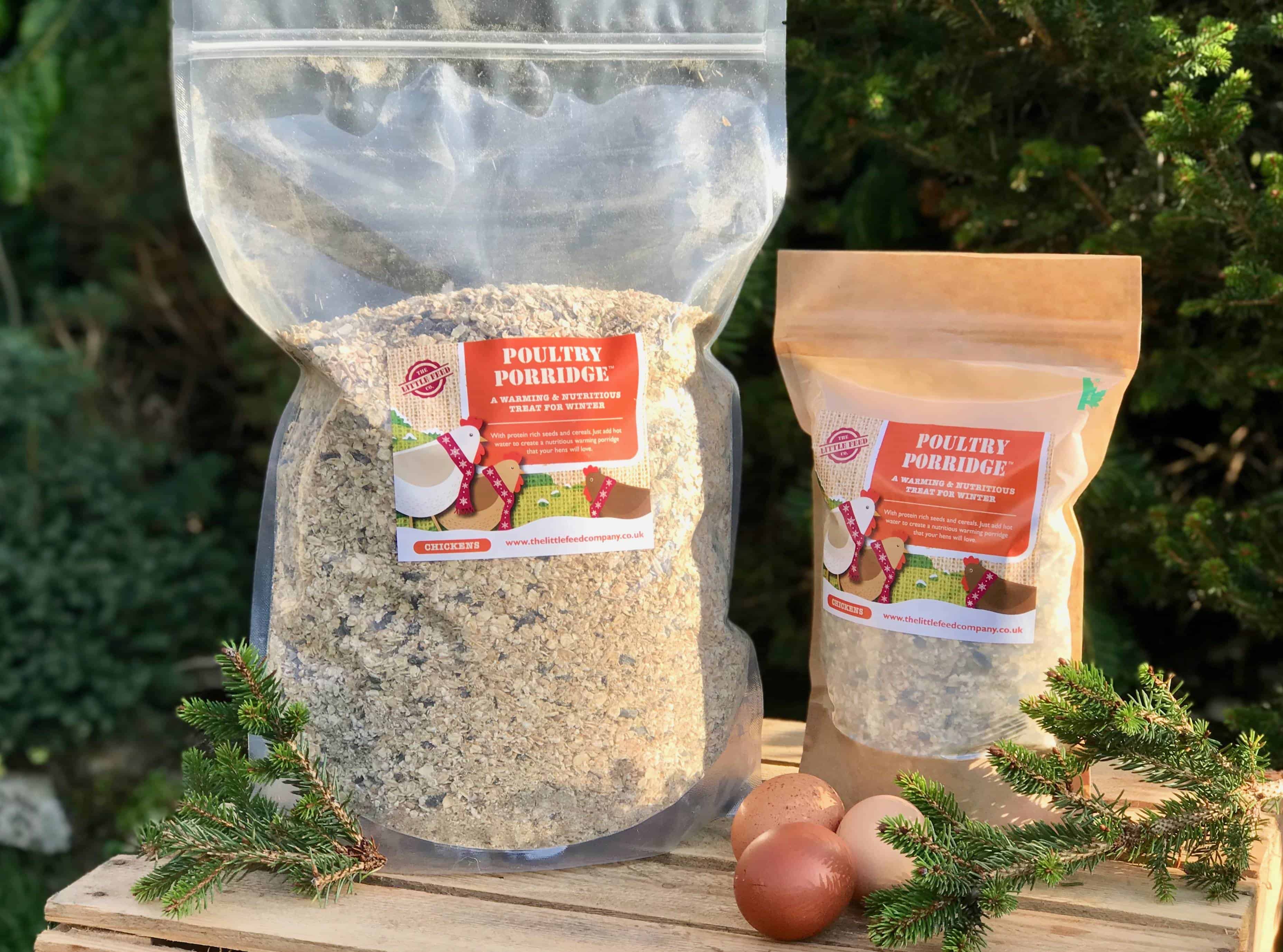
When it comes to winter snacks for your chickens, you’ll want to make sure that you provide them with a variety of foods. There are a lot of different things you can feed them, such as mealworms, oats, seeds, and dried bugs. Each one has its own benefits, and you should definitely be able to find something that will keep your birds warm and healthy.

Contents
Oats
If you’re looking for a good treat for your chickens in the winter, you might want to consider oatmeal. Oats are a good source of magnesium and manganese, two minerals that are important for hens.
Chickens should have a balanced diet with lots of different food sources. This will ensure that they’re getting all the vitamins and minerals they need. You can add a handful of seeds or nuts to your oats to make it more tasty for your birds.
You should give your chickens oats only once or twice a week. Keeping a healthy diet for your chickens will help them stay strong in the cold.
Chickens love oats, but they can be hard on their digestive system. Soaking oats in water is a great way to soften them. It can also make them more digestible. However, it does not remove all the phytic acid, which can be harmful to chickens.
Mealworms
When it comes to raising a healthy flock, providing them with nutritious food is essential. Especially during the winter months. Mealworms are a good source of protein and are easy to provide to your chickens.
The best time to feed your chooks is early in the morning. They need this extra energy to keep them warm during the winter months.
You can also give your chickens dried mealworms. These are not as appealing as live mealworms. However, they do provide your hens with the vitamins they need.
Dried mealworms are an excellent source of protein. In fact, they provide 50% of the protein your chickens need. So, it is not surprising that they have become a popular treat for chickens.
If you are thinking of feeding your hens dried mealworms, be sure to buy a high-quality brand. Avoid brands that have been microwaved or baked.
Nuts and seeds
Nuts and seeds are a great source of nutrition, and you can feed them to your chickens. If you are feeding your flock in the cold months of the year, you will want to provide them with some simple supplements.
A few of the more common winter treats you can give your flock include shellfish, meat scraps, and dried fruit. It’s best to limit the number of these foods you offer your chickens, however.
The best thing you can do is to feed your birds foods that are beneficial to their digestive systems. These include fruits, vegetables, and nuts.
One good way to make your chickens’ diet more digestible is to give them foods that are high in fiber. This is a good idea in the summer, but it is particularly important during the winter.
Dried bugs
When you are looking for ways to boost your chicken’s diet in winter, dried bugs are a great way to do it. They are a source of extra protein, as well as other nutrients. Changing your flock’s food can help you to improve its health, and save on your feed bill.
Dried insects are an easy way to get your flock’s nutritional needs met without having to spend a lot of money on store-bought feed. You can even raise some of your own.
Unlike most feeds, insects are full of protein. Proteins are essential to your chicken’s diet. It helps support strong feathers and a healthy immune system. This is especially true in winter, when the weather makes your birds’ natural diets less available.
Alfalfa Souffle Garland
The Alfalfa Souffle Garland is one of the best ways to keep your chickens entertained and fed throughout the winter months. It is a great way to add some festive flare to your backyard flock.
Alfalfa is a good choice for chickens since it is high in protein and fiber. You can find it in feed stores or even at a local farmers market. One of its better features is that it can be fed as a pellet or loose hay. This will provide your coopmates with an easy-to-digest treat.
The most important reason to feed your hens a good supply of this tasty green stuff is that it provides them with the nutrients they need to stay healthy. When it comes to feeding your feathered friends, the colder it gets, the more energy they need to keep warm and stay healthy.