H-E-B wild bird seed is a store-brand product, so the exact blend and bag size can change. Whatever is on the shelf, the best bird seed is led by black oil sunflower seed, with millet or safflower added for certain birds. Use the ingredient list to decide whether a bag is worth buying.

What to Look for on the Label
- Sunflower first: A mix that lists black oil sunflower or sunflower hearts first will draw the most species.
- Limited filler: Milo, wheat and flax are cheap and often wasted.
- A fresh date and sealed bag: Seed that is old or damp can grow mold.
Which Birds It Attracts
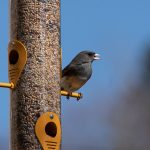
A sunflower-based blend attracts cardinals, finches, chickadees, titmice, nuthatches and doves. Millet draws ground-feeding birds such as doves and juncos, and nyjer in a finch feeder brings goldfinches. To attract more species, add a suet cage and a clean water dish. See H-E-B wild bird seed review for a Texas-specific rundown.
Is It Worth the Price?
Compare the price per pound with plain black oil sunflower from a feed store. A pure single-seed bag is often cheaper and attracts nearly as many birds as a fancy mix. Our guides to the cheapest way to feed wild birds and sunflower seeds can help you compare.
Feeder and Storage Basics
- Use a hopper or tube feeder for sunflower and a tray for millet and cracked corn.
- Offer only what birds eat in a couple of days.
- Keep seed in a metal or heavy plastic bin with a tight lid.
- Clean feeders regularly and rake up old hulls.
Bottom Line
H-E-B bird seed can be a convenient choice if sunflower seed leads the label. Compare per-pound prices, keep seed dry and clean feeders often. If you notice sick birds, stop feeding for a few days and clean everything well.