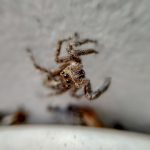
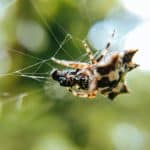
Pet jumping spiders do best on small, live, soft-bodied insects: flightless fruit flies for babies, then small crickets, houseflies, blowflies, and small roach nymphs as they grow. The prey should be no bigger than the spider’s own body. Feed juveniles every day or two and adults a few times a week.

Best Foods by Age
- Spiderlings and small juveniles: flightless fruit flies (Drosophila) and springtails.
- Larger juveniles: pinhead or 1/8-inch crickets, small houseflies, and small roach nymphs.
- Adults: houseflies, blowflies, small to medium crickets, and Dubia roach nymphs.
- Occasional treats: a waxworm or a small moth now and then. These are fatty, so keep them rare.
How Big and How Often?
A good rule is to offer prey that is the same size as the spider’s abdomen or smaller. Jumping spiders are brave and will try for bigger prey, but a large cricket can injure a small spider. Juveniles grow fast and eat nearly every day. Adults are fine with two to four meals a week, depending on how round the abdomen looks. A plump but not swollen abdomen is the goal.
Feeding Tips
- Offer one or two insects at a time and let the spider hunt. Watching it stalk and pounce is half the fun.
- Remove any live prey the spider ignores. A cricket left in the enclosure can chew on a spider that is molting.
- Skip meals while the spider is in a silk hammock. A spider preparing to molt will not eat, and it should be left alone until it comes out.
- Offer a few drops of water on the enclosure wall with a mister now and then. Jumping spiders drink droplets rather than from a dish.
Foods to Avoid
- Wild-caught insects: they can carry pesticides or parasites.
- Ants: they bite back and are not a good choice for pets.
- Hard, large prey: mealworms and beetles have tough shells and can fight back, so most keepers avoid them.
- Human food: jumping spiders only eat live or freshly killed insects.
Where to Buy Feeders
Pet stores and online insect suppliers sell fruit fly cultures, crickets, and roach colonies. Many keepers also raise a small fruit fly or Dubia culture at home so they never run out. If your spider stops eating for more than a week and is not preparing to molt, or looks shriveled, ask an exotic pet vet or an experienced keeper for help.
See also: what can I feed my jumping spider, vitamins for spiders, and how a spider eats a fly.
Bottom Line
Feed jumping spiders live, soft prey about their own size: fruit flies when they are tiny, then small crickets, flies, and roach nymphs. Remove leftovers and do not feed during a molt.