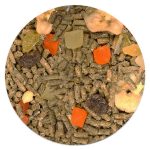
Feed a sugar glider once a day in the evening, since gliders are nocturnal and wake at dusk. Keep a glider-specific kibble and fresh water available all night, offer insects every other day, and remove fresh leftovers by morning. Adults eat about 15% to 20% of their body weight per day.

A simple daily routine
- Evening: serve fresh vegetables, a little fruit and the nectar or protein mix, plus any calcium supplement your vet recommends.
- Overnight: keep kibble and water in the cage.
- Morning: remove uneaten fresh food and wash the dishes and water bottle.
- Every other day: add a small number of insects, dusted with calcium.
Why the timing matters
Gliders are active at night, so that is when they eat and drink. Fresh food left out for a full day spoils and can grow bacteria and mold. Cutting the portion to what they finish helps prevent both waste and picky eating.
How much to feed
A fully grown glider usually weighs about 100 to 160 grams, which works out to a modest amount of food. Weigh your glider each week on a kitchen scale. Sudden weight gain means too many treats; weight loss means a vet visit.
Babies and nursing mothers
Joeys and nursing mothers have different needs. Get feeding directions from an exotic-pet vet, since baby gliders can be harmed by the wrong foods. Never give milk or dairy products.
Picky eaters
Gliders often eat the sweetest foods first. If yours skips its kibble, offer less fruit and nectar and put the staple out first. Change diets gradually.
Metabolic bone disease
Gliders fed mostly sweets and insects can develop weak bones. See Calcium Supplements for Your Sugar Glider for signs to watch for.
Bottom Line
Evening meals, constant water, a staple on hand and insects every other day suit most gliders. Follow the full plan in A Healthy Sugar Glider Diet.
This article is general information, not veterinary advice. If your glider stops eating, call a vet promptly.