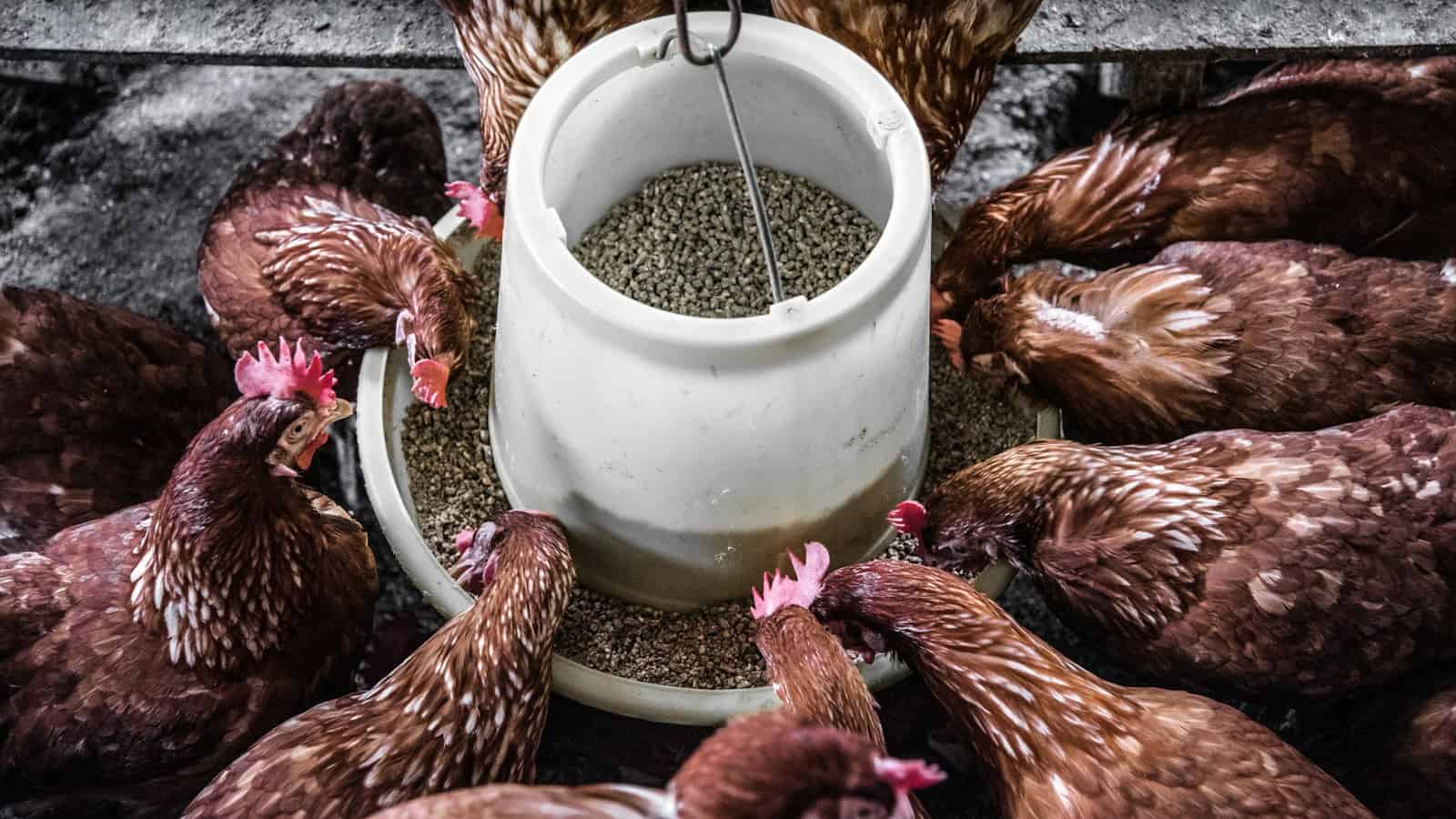
Quick answer: Scratch and Peck Feeds makes certified organic, Non-GMO Project Verified poultry feed from whole grains, with no soy and no medication. It is a solid pick if organic matters to you and you don’t mind paying more than you would for conventional feed. Most backyard keepers will find the pellets or crumbles easier to use than the whole-grain mash.

Who Makes Scratch and Peck?
Scratch and Peck Feeds is a feed mill based in Burlington, Washington. Every feed it makes carries the USDA Certified Organic label and is Non-GMO Project Verified. The company says its feed is grown and made in North America, using grains from family farms in the United States and Canada.
One thing to clear up first: “Scratch and Peck” is a brand name, not a type of feed. The company sells complete feeds for every life stage, plus a separate scratch grain treat. If you are looking for scratch grains in general, see our guide to scratch grain feed for chickens.
The Product Line at a Glance
- Organic Starter Mash 20.5%: for chicks from day one to 8 weeks and ducklings from day one to 4 weeks. It lists 20.5% minimum protein and contains no corn, soy or medication.
- Organic Grower: for young birds between the starter stage and their first eggs.
- Organic Layer 16%: the main feed for laying hens and ducks, sold as mash, pellets and crumbles. There is also an 18% protein layer feed and a “+ Corn” version of the mash.
- Essentials: a lower-priced organic layer pellet.
- Cluckin’ Good treats: dried grubs and a corn-free three-grain scratch made from wheat, barley and oats.
Names and recipes change from time to time, so read the tag on the bag you are buying.
What Is in the Layer Feed?
The Organic Layer 16% pellets are a good example of how the brand builds its recipes. The ingredient list includes:
- Organic wheat, barley and peas
- Organic flaxseed meal
- Black soldier fly larvae meal (the “grub protein”)
- Limestone for calcium
- Sunflower oil and kelp meal
- Added vitamins and minerals, plus oregano, cinnamon and thyme oils
The guaranteed analysis lists at least 16% protein, at least 3% fat, no more than 5% fiber and 4% to 5% calcium. That lines up with what poultry extension specialists recommend for laying hens: a feed with at least 14% protein (16% is typical) and extra calcium for eggshells.
What makes it different from most bagged feed is where the protein comes from. Conventional layer feed leans on corn and soybean meal. Scratch and Peck uses peas, flax and insect meal instead, which is why it appeals to keepers who want to avoid soy.
Mash, Pellets or Crumbles?
The mash is what the brand is best known for. It is a mix of whole and cracked grains with a fine powder that carries much of the protein, vitamins and minerals. It looks like real food, and hens love it.
The catch is selective feeding. Hens pick out their favorite grains and leave the powder behind, so they miss nutrients and you waste feed. The company’s answer is to serve the mash dry or fermented. Fermenting means soaking the feed in water for a few days so the powder sticks to the grains.
If that sounds like more work than you want, buy the pellets or crumbles. Every bite is the same, so there is less sorting and less waste. Crumbles suit bantams and smaller birds.
Pros and Cons
What we like
- USDA Certified Organic and Non-GMO Project Verified
- Soy-free, and most recipes are corn-free too
- Simple, recognizable ingredients
- A complete range from chick starter to layer feed
- Suitable for both chickens and ducks
What to watch
- It costs noticeably more than conventional feed
- The mash can be wasteful unless you ferment it or use a feeder that limits sorting
- The stated shelf life is six months from the manufacture date, so check the date and don’t overbuy
- The starter is non-medicated, so ask your hatchery or vet how your chicks are protected against coccidiosis
- Farm stores don’t always stock it, so you may need to order online
How to Feed It
- Match the feed to the bird’s age. Use starter for the first 8 weeks, grower until the birds are close to laying, then switch to layer feed at around 20 weeks.
- Don’t give layer feed to chicks. It has far more calcium than growing birds need.
- Plan on about a third of a pound per hen per day. The company puts it at roughly 0.3 pounds a day, or about 2 pounds a week.
- Offer oyster shell and grit on the side. Hens take what they need. Grit matters most with whole-grain feed.
- Keep treats small. Scratch grains should be 10% or less of the diet. They are a snack, not a meal.
- Store it well. Keep the bag in a cool, dry place in a rodent-proof container, and always provide fresh water.
Is It Worth the Price?
That depends on what you want from a feed. Any complete layer feed with around 16% protein and enough calcium will keep hens laying. With Scratch and Peck you are paying extra for organic certification, soy-free recipes and whole ingredients. If those matter to you, it is one of the better-known options. If budget comes first, a conventional layer pellet does the same nutritional job for less.
For more choices, see our roundup of the best organic chicken feed for laying hens. UK readers can check our Little Peckers chicken feed review.
Bottom Line
Scratch and Peck is a well-made organic feed with a clean ingredient list and a recipe for every stage of a chicken’s life. Choose the pellets or crumbles for convenience, or the mash if you are happy to ferment it. Either way, feed the right stage for your birds’ age, add oyster shell and grit, and keep scratch as a small treat.
This article is general information, not veterinary advice. If your birds seem unwell or stop laying suddenly, contact a poultry vet.


