A healthy chinchilla eats three things: unlimited grass hay, a small portion of plain chinchilla pellets, and fresh water. Everything else, from fruit to store-bought treats, is optional at best and risky at worst.

The Daily Menu
- Grass hay (unlimited). Timothy, orchard grass, or meadow hay should always be available. It keeps the gut moving and wears down teeth that grow for life. Alfalfa hay is richer in protein and calcium and is generally reserved for young, pregnant, or nursing chinchillas, so ask your vet.
- Plain chinchilla pellets. About 1 to 2 tablespoons a day is a common guideline. Choose a uniform, high-fiber pellet without seeds, nuts, or colorful bits. See our Oxbow chinchilla food review for one popular option.
- Fresh water. Use a sipper bottle or heavy bowl and change it every day.
Safe Extras (in Tiny Amounts)
- Dried rose hips, one or two at a time
- A flake or two of plain rolled oats
- A thumbnail-sized piece of plain shredded wheat, once or twice a week
- Pesticide-free dried dandelion leaf or chamomile sprinkled in hay
- Untreated apple or willow sticks for chewing
More detail in the best treats for chinchillas.
Foods to Avoid
- Fresh fruit and most fresh vegetables, which are too sugary or watery (see fruits and vegetables for chinchillas)
- Nuts, seeds, and dried fruit mixes
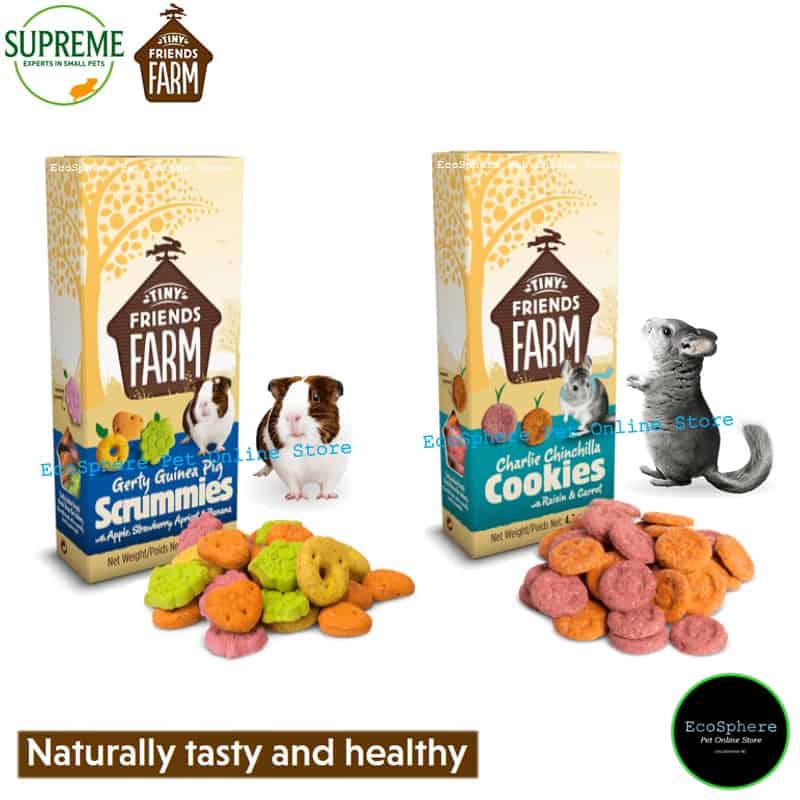
- Yogurt drops, honey sticks, and other sweet pet-store treats
- Human snacks such as bread, crackers, chocolate, and popcorn
- Guinea pig or rabbit pellets as a regular diet (see can chinchillas eat guinea pig pellets)
Feeding Tips
- Change foods slowly over a week or more. Chinchilla guts do not like sudden changes.
- Remove soiled hay and uneaten food daily.
- Store pellets and hay in a cool, dry place and use pellets within a few months of opening.
- Watch the droppings. Firm, oval pellets are normal. Soft, tiny, or missing droppings mean you should call a vet.
Bottom Line
Keep it boring: hay, plain pellets, and water. A chinchilla on that simple menu, with the occasional dry treat, has the best chance at a long, healthy life.
This article is general information, not veterinary advice. Ask an exotics vet about your chinchilla’s specific diet, and call right away if your chinchilla stops eating.