
A pregnant beef cow needs good-quality forage, free-choice clean water and a mineral supplement all through pregnancy, with extra energy and protein in the last third, when the calf grows fastest. Below is a practical feeding chart by stage, plus how to check body condition and what to ask your vet or nutritionist.

Pregnant cow feeding chart (beef cow, general guide)
These figures are typical ranges. Your cow’s needs vary with breed, size, age, weather and forage quality, so use a hay test and your vet or local extension office to fine-tune.
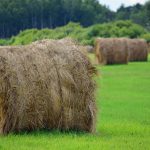
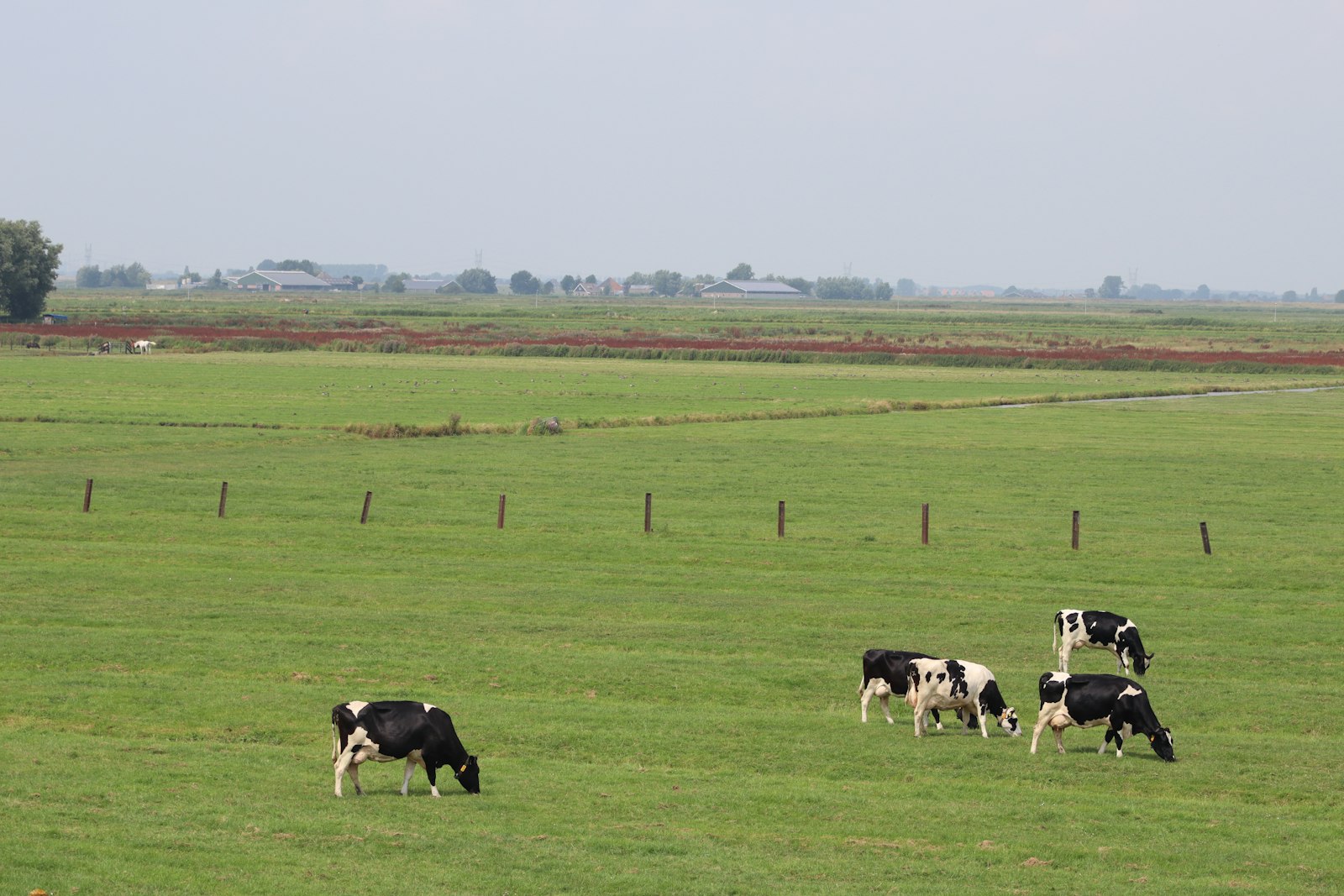
- Early and mid-pregnancy (first 6 months): Good pasture or grass hay is usually enough for a cow in good condition. Crude protein around 7 to 9 percent and a total digestible nutrient (TDN) level around 50 to 55 percent of the ration are common targets. Offer a free-choice mineral.
- Late pregnancy (last 2 to 3 months): Energy and protein needs rise. Aim for about 9 to 11 percent crude protein and 55 to 60 percent TDN in the ration. Poor hay may need to be topped up with a protein supplement, alfalfa or a grain-based feed.
- Just before and after calving: Needs peak, especially once she begins nursing. Keep feed quality high and make sure she is not losing too much condition.
As a rough guide, a cow eats about 2 to 2.5 percent of her body weight in dry matter per day. Intake can drop in the final weeks as the calf takes up room, so use better-quality feed then.
Body condition score (BCS)
Body condition matters more than the number on the scale. Beef cows are scored from 1 (very thin) to 9 (very fat). Most cows should calve at a BCS of about 5 to 6. Thin cows have weak calves, less colostrum and trouble rebreeding, and cows that are too fat have a higher risk of hard calving. It is easier to build condition before late pregnancy than after calving.
Protein and energy
Energy is usually the first thing that runs short in winter. Protein matters for the calf’s growth and for the quality and quantity of colostrum. Test your hay, then add a supplement only if the test shows a shortfall. Feeding well-timed supplements is cheaper than feeding all the time.
Minerals and vitamins
- Offer a free-choice mineral mix formulated for your region and class of cattle, since local soils and forages vary a lot.
- Calcium, phosphorus, magnesium, copper, zinc, selenium and vitamin A and E are especially important during pregnancy.
- Use a mineral that matches your cattle. Mixes made for sheep, goats or horses can have the wrong copper levels for cows.
- Vitamin and mineral injections and any dosing should be directed by your vet.
Water
A pregnant cow can drink many gallons a day, more in hot weather and after calving. Keep water clean and unfrozen.
Common mistakes
- Letting cows drop in condition during late pregnancy
- Feeding moldy or poor-quality hay
- Changing feed suddenly in the last month
- Overfeeding grain, which can cause digestive upset and an overly large calf
- Skipping minerals
Frequently asked questions
Should I feed a pregnant cow grain?
Only if forage cannot meet her needs. Add grain slowly, and talk to your vet or a nutritionist first.
How much hay does a pregnant cow need?
Roughly 2 to 2.5 percent of her body weight in dry matter daily, which is about 25 to 30 pounds of average hay for a 1,200-pound cow, more if the hay is poor.
When do a cow’s needs go up the most?
In the last third of pregnancy and especially after calving, when she starts making milk.
Bottom Line
Feed pregnant cows good forage and clean water all year, keep a mineral available, watch their body condition and step up energy and protein in the last third of pregnancy. Test your hay, and call your vet or a livestock nutritionist for a ration made for your herd.
This article is general information and is not a substitute for advice from your veterinarian.
Related reading: Choosing the Best Supplement for Pregnant Cows and Can Cows Eat Only Hay?