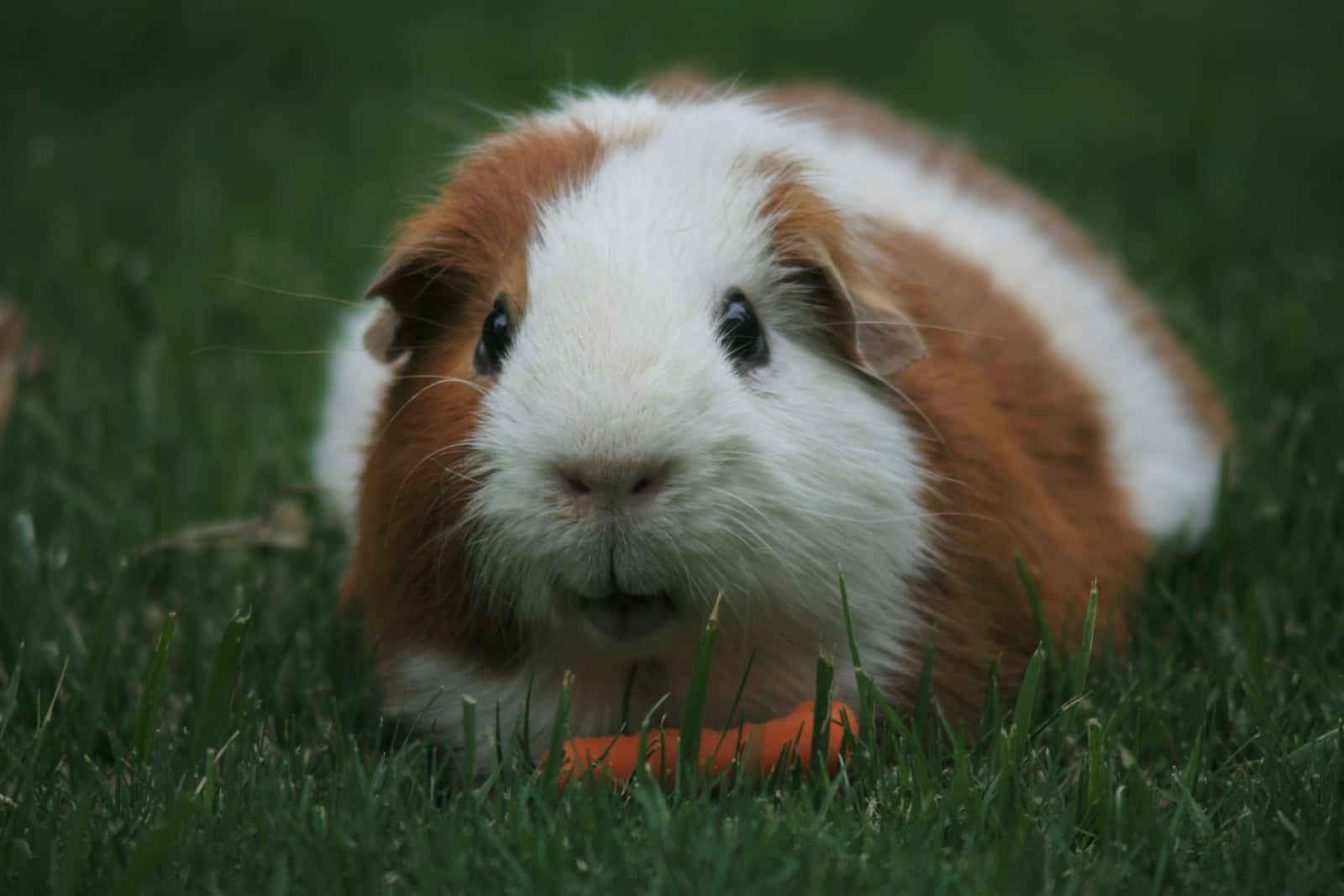
Short answer: no, don’t give your guinea pig ice cubes to chew or eat. Hard, frozen ice is rough on their constantly growing teeth and sensitive mouths, and very cold food can upset their delicate digestive system. That said, ice is still useful in hot weather. You just use it around your guinea pig rather than feeding it to them.

Here’s why ice cubes are a bad snack, how to use cold safely, and what to watch for when the temperature climbs.
Why Guinea Pigs Shouldn’t Eat Ice Cubes
It’s hard on their teeth and mouth
A guinea pig’s teeth grow continuously and are worn down by chewing hay. Biting into rock-hard ice can chip or crack teeth, and a damaged tooth quickly leads to uneven wear, overgrowth and trouble eating. Very cold ice can also irritate the gums and tongue.
It can upset their digestion
Guinea pigs have a sensitive gut that relies on a steady flow of fiber. Sudden changes, including unusually cold food, can cause stomach upset. Frozen fruits and vegetables fall into the same category: skip them.
It doesn’t actually hydrate them better
Ice is just water. A guinea pig that’s hot needs easy access to drinkable cool water, not something it has to gnaw on.
Safe Ways to Use Ice to Keep Guinea Pigs Cool
Guinea pigs can’t sweat, and they start to struggle with heat at around 75–77°F (24–25°C). On warm days, cold is your friend as long as it’s used correctly:
- Frozen water bottle wrapped in a towel. Freeze a plastic bottle of water, wrap it in a thin towel or sock, and place it in the enclosure so your guinea pig can lie next to it.
- Ice cubes in the water bowl. Adding a few cubes to a water bowl keeps drinking water cool. Your guinea pig drinks the chilled water; it isn’t chewing the ice.
- Chill the water bottle. Wrap a cold pack around the outside of their hanging bottle, or refill it with fresh cold water a few times a day.
- Cool ceramic or marble tile. Pop a tile in the fridge for an hour and set it in the cage as a cool spot to lie on.
- Cool (not frozen) veggies. Rinse their usual leafy greens in cold water before serving. The extra water helps with hydration. Stick to normal portion sizes.
Other Ways to Beat the Heat
- Keep the enclosure out of direct sunlight and away from windows and hot rooms.
- Bring outdoor guinea pigs inside, or into deep shade, on hot days.
- Use a fan to move air around the room, but don’t point it directly at the cage.
- Always have fresh water available and check it more often in summer.
- Check twice a day for flystrike (flies laying eggs on soiled fur), which is more common in warm weather.
Signs of Heatstroke in Guinea Pigs
Heatstroke can become life-threatening quickly. Watch for:
- Lethargy, weakness or lying stretched out and unresponsive
- Panting or fast, shallow breathing
- Drooling or wet fur around the mouth
- Wobbling or trouble walking
- Seizures
If you spot these signs: move your guinea pig somewhere cool, gently dampen its fur with cool (not ice-cold) water or wrap it in a cool damp towel, offer water, and call your vet right away. Avoid ice or ice water on the body, because cooling too fast can send them into shock.
What About Frozen Treats?
It’s best to skip frozen treats entirely, including frozen fruit and anything like ice cream. Guinea pigs can’t digest dairy, and sugary foods should only be occasional, fresh, and in small amounts. Their everyday diet should be unlimited hay, a small serving of guinea pig pellets, and fresh vegetables with a source of vitamin C (like bell pepper), which they can’t make on their own.
The Bottom Line
Keep ice out of your guinea pig’s mouth and use it around them instead: a wrapped frozen bottle, chilled tiles, and ice in the water bowl. Those are simple, safe ways to keep them comfortable in the heat. If your guinea pig seems sluggish, is panting or drooling on a hot day, treat it as an emergency and call your vet.
For more on everyday feeding, see our guides to choosing the right hay for guinea pigs and foods that are toxic to guinea pigs.