The best foods with vitamin A for turtles are dark leafy greens such as dandelion greens, kale, collards, mustard greens and parsley, orange vegetables such as carrots, and a good commercial turtle pellet. Vitamin A deficiency (hypovitaminosis A) is a common problem in pet aquatic turtles that eat a poor diet, so getting this right matters.

Why Turtles Need Vitamin A
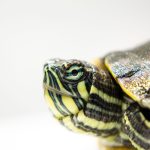
Vitamin A supports healthy skin, eyes, and the lining of the airways and digestive tract. Without enough of it, tissues can thicken and block ducts, leading to swollen eyes and infections. Deficiency is most often seen in young, semi-aquatic turtles such as red-eared sliders and painted turtles, and in box turtles, especially when they are fed only meat, insects or low-quality food.
Best Vitamin A Foods for Turtles
- Dark leafy greens: dandelion greens (from a pesticide-free source), collards, mustard greens, kale, parsley and cilantro. Rotate them rather than feeding one every day.
- Orange and yellow vegetables: carrot, shredded or finely chopped.
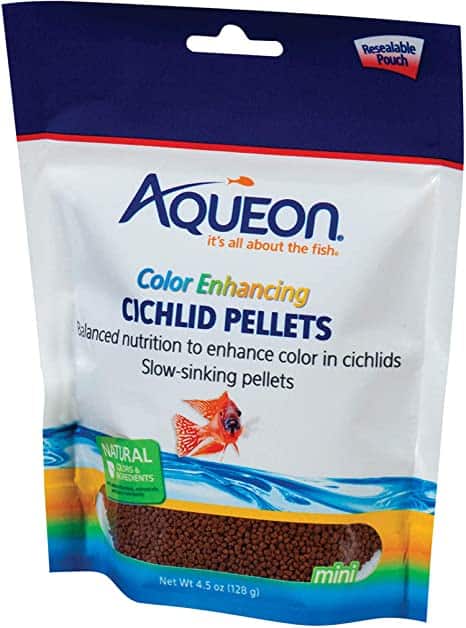
- Whole prey and quality pellets: a complete turtle pellet and appropriate whole foods such as small feeder fish for meat-eating species help cover vitamin needs.
Plant sources contain carotenoids, which the turtle converts to vitamin A as needed. That makes them a safer way to supply vitamin A than adding concentrated vitamin A supplements.
Signs of Vitamin A Deficiency
- Swollen, puffy or closed eyelids.
- Loss of appetite and weight loss.
- Repeated respiratory or mouth infections.
- Flaky or poorly shedding skin.
These signs can also come from other problems such as poor water quality, wrong temperatures or inadequate UVB lighting. A reptile vet should examine a turtle with swollen eyes, because treatment may include prescription vitamin A and medication for infection.
Do Not Overdo It
Too much vitamin A is also harmful. Excess vitamin powders, large amounts of liver, or concentrated injections can cause toxicity, with red, inflamed or peeling skin. Do not add vitamin A supplements or give injections on your own. Ask a reptile vet to guide any supplement plan.
A Simple Feeding Plan
- Offer a quality turtle pellet as the base, matching the amount to your turtle’s size.
- Add leafy greens several times a week for omnivorous species.
- Include a small piece of carrot now and then.
- Provide proper UVB lighting, a basking spot and clean water, since diet is only part of turtle health.
Species differ a lot, so read the diet guide for your turtle: vitamin A rich foods for turtles, what red striped turtles eat, the musk turtle diet and what vegetables turtles can eat.
Bottom Line
Feed a complete turtle pellet, add vitamin A-rich greens and orange vegetables, and see a reptile vet if your turtle has swollen eyes or stops eating. Avoid supplementing vitamin A without veterinary guidance. This article is general information, not veterinary advice.