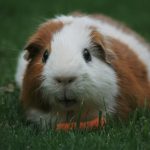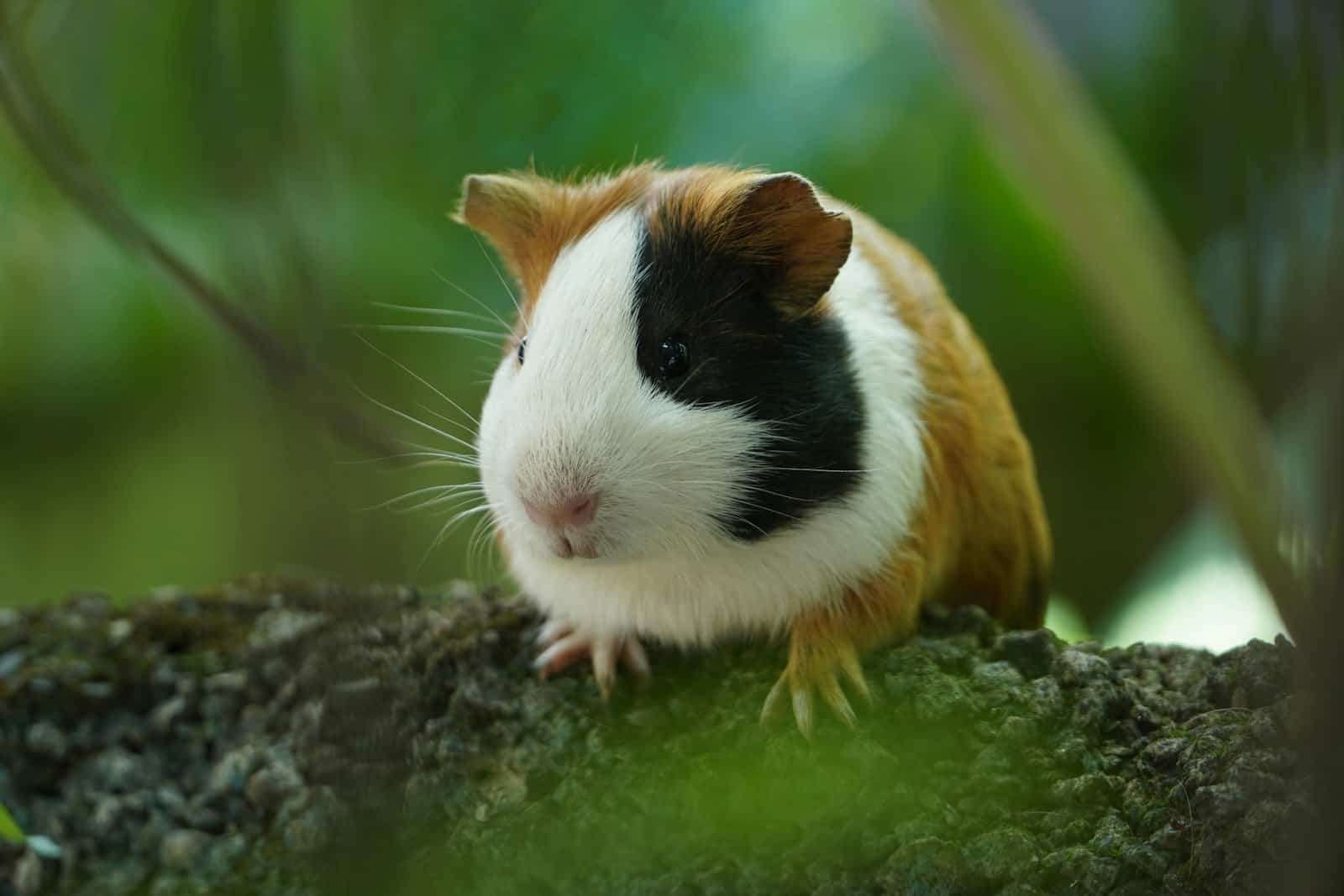
Yes, guinea pigs can eat broccoli and cauliflower, but only in small amounts and not every day. Both are packed with vitamin C and fiber, but they are gassy vegetables, and gas can make a guinea pig very uncomfortable. A floret or a few small pieces, once or twice a week, is a good limit.

Benefits
Broccoli and cauliflower both contain vitamin C, which guinea pigs need from food every day, along with fiber and other nutrients. Broccoli is the more nutritious of the two, and the stems and leaves are safe too.
The risks: gas and calcium
- Gas and bloating. These cruciferous vegetables ferment in the gut. In guinea pigs this can cause painful bloating. Introduce them slowly and watch your pet.
- Calcium. Broccoli has a moderate amount of calcium. Feeding a lot, especially along with other calcium-rich foods, may contribute to bladder stones in guinea pigs prone to them.
How to serve broccoli and cauliflower
- Raw is best. Cooked vegetables lose fiber and vitamin C. Never feed them with butter, salt or sauces.
- Wash well to remove pesticide residue.
- Cut into small pieces. A floret about the size of a thumb tip is a typical serving.
- Offer the leaves and stems. They are fine in small amounts.
- Start with a tiny piece and wait a day before offering more.
Signs of gas
A guinea pig with gas may sit hunched, refuse food, have a swollen belly or make quiet noises of discomfort. This is an emergency. Call an exotics vet right away, because a slowed gut can become life-threatening within hours.
How often?
Treat broccoli and cauliflower as part of the daily cup of mixed vegetables, and rotate them with lower-gas choices such as romaine, bell pepper and cucumber. Our guide to cabbage for guinea pigs has more about gassy greens.
Bottom Line
Small portions of raw broccoli or cauliflower once or twice a week are fine for most healthy adults. Keep hay available all day, and stop feeding if you see soft stools or bloating. See healthy vegetables for guinea pigs for more.
General information, not veterinary advice.