Lamb ears are a safe-enough occasional chew for most healthy dogs when you choose a quality product and supervise, but they are not risk-free. They are dried lamb ear with or without the fur, usually a single ingredient with no added sugar or dyes. The main concerns are choking, blockage if swallowed in big pieces, extra calories, and bacteria on the surface.

General information only. Ask your vet if your dog has allergies, pancreatitis, kidney disease or a sensitive stomach.
What are lamb ears?
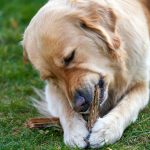
Lamb ears are the dried ears of lamb, sold as a natural chew. They come in two styles: hairless (cleaned and baked or dehydrated) and with fur (the hair left on). The ear is mostly cartilage and skin, which gives dogs something to chew for a few minutes without splintering the way cooked bones do.
Potential benefits
- A single protein. Good for dogs who do poorly on beef or chicken, though lamb can still trigger allergies in some dogs.
- A softer chew than rawhide. Lamb ears are lighter and chewier than hooves or antlers, which makes them a gentler option for small dogs, seniors and many puppies.
- Chewing time. Gnawing can help occupy a dog and may help scrape away some plaque, though no chew replaces brushing and vet dental care.
- Some natural cartilage. Marketing often mentions glucosamine, but the amount in a single ear is small and it should not replace a joint supplement your vet recommends.
What the claims get wrong
Some sellers say furry ears are a “natural dewormer.” There is no solid scientific evidence for that. Never use a chew in place of vet-approved parasite prevention and treatment.
Risks to know about
- Choking and blockage. Dogs that gulp may swallow a large piece. Take the ear away when it becomes small enough to fit in the back of the mouth.
- Calories and fat. Chews count as treats, and fatty treats can upset the stomach or trigger pancreatitis in susceptible dogs. Treats should stay under about 10 percent of daily calories.
- Bacteria. Animal-based chews can carry Salmonella. Wash your hands after handling them and keep them away from small children.
- Fur. Furry ears may add loose hair to the stomach, which can cause vomiting in some dogs.
- Source and processing. Choose products with a clear ingredient list and country of origin, and buy from a seller that tests for contaminants.
How to feed lamb ears safely
- Pick a size that is longer than your dog’s mouth is wide.
- Stay with your dog while they chew.
- Offer one at a time and no more than a few per week, depending on your dog’s size and weight.
- Throw away the stub when it becomes swallowable.
- Provide fresh water.
Better options for some dogs
If your dog has a delicate stomach, is on a prescription diet or has kidney disease, ask your vet before giving any chews. We also cover cow ears for dogs and treats for dogs with kidney disease. For puppies, see what to feed a teething puppy.
Bottom Line
Lamb ears can be a fine occasional chew for many dogs, but supervise every one, watch the calories, and skip them if your dog has pancreatitis, a lamb allergy or a history of swallowing chews whole.