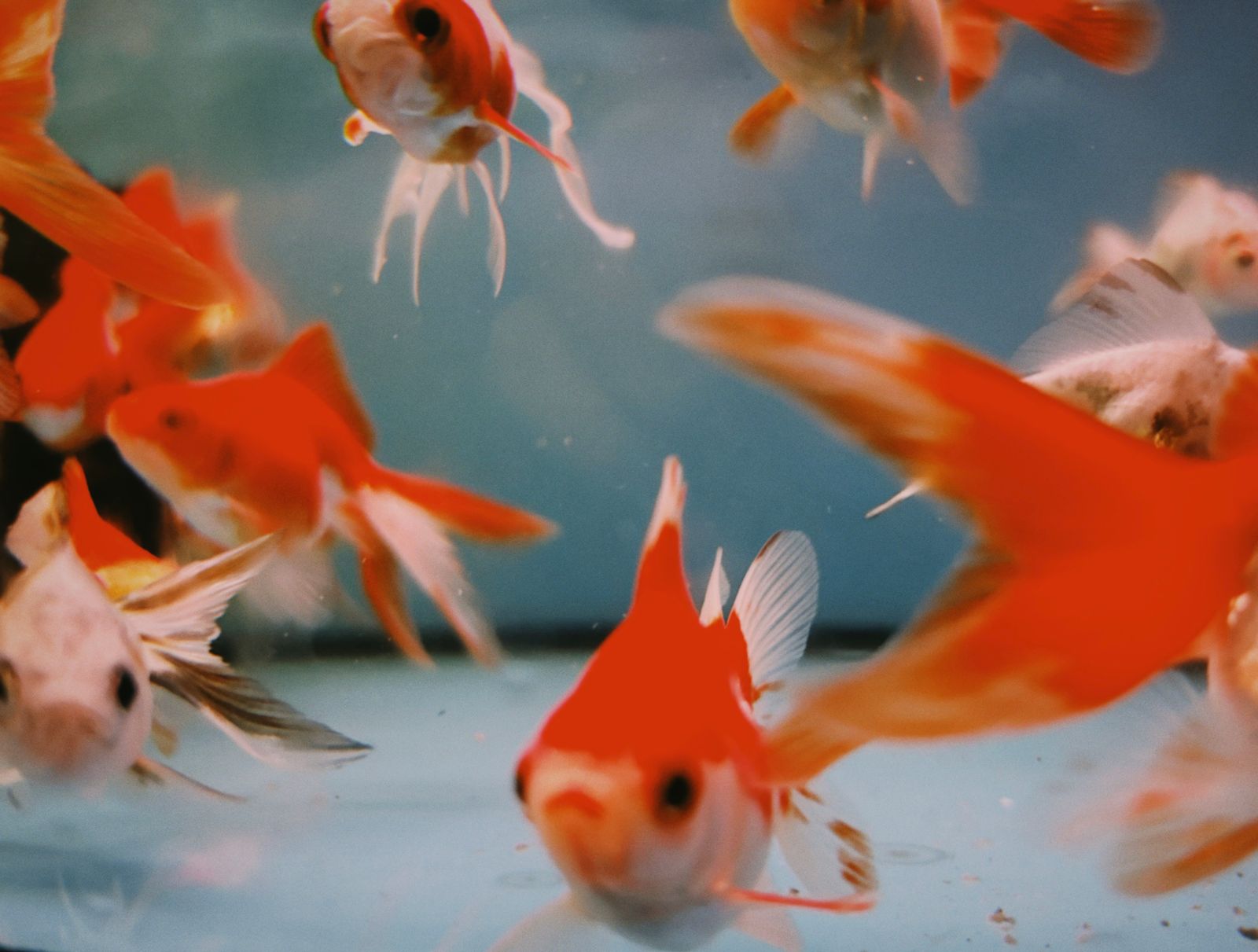
Goldfish can eat mealworms, but only now and then. Choose dried or freeze-dried mealworms, soak them first, and break them into small pieces. Mealworms are high in fat and have a tough shell, so they should be a rare treat and never a staple.

Are Mealworms Good for Goldfish?
Mealworms supply protein and fat, but goldfish are omnivores that do best on a pellet or flake base with vegetables and small amounts of protein. The tough exoskeleton can be hard to digest, and large pieces are a choking and constipation risk, especially for small or fancy goldfish with compact bodies.
How to Feed Mealworms Safely
- Use dried or freeze-dried mealworms from a reputable pet supplier rather than live worms of unknown origin.
- Soak dried worms in tank water for several minutes so they soften.
- Cut or crush them into pieces smaller than the fish’s mouth.
- Feed a few pieces at most, no more than once a week.
- Remove leftovers promptly.
Better Protein Choices
Daphnia, brine shrimp, and bloodworms (freeze-dried or frozen) are softer and easier for goldfish to digest. Shelled, cooked peas help digestion. For feeding plans by variety, see the best food for comet goldfish.
Signs of Trouble
If a goldfish develops a swollen belly, floats sideways, or stops eating after a protein treat, skip feeding for a day and offer shelled, cooked peas. Persistent issues need an aquatic vet or knowledgeable fish store.
Bottom Line
Mealworms are an occasional treat for goldfish. Soak and chop them, feed only a few pieces, and rely on pellets, vegetables, and softer frozen foods for regular protein.