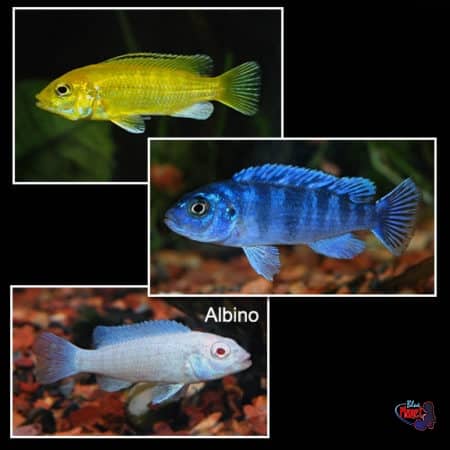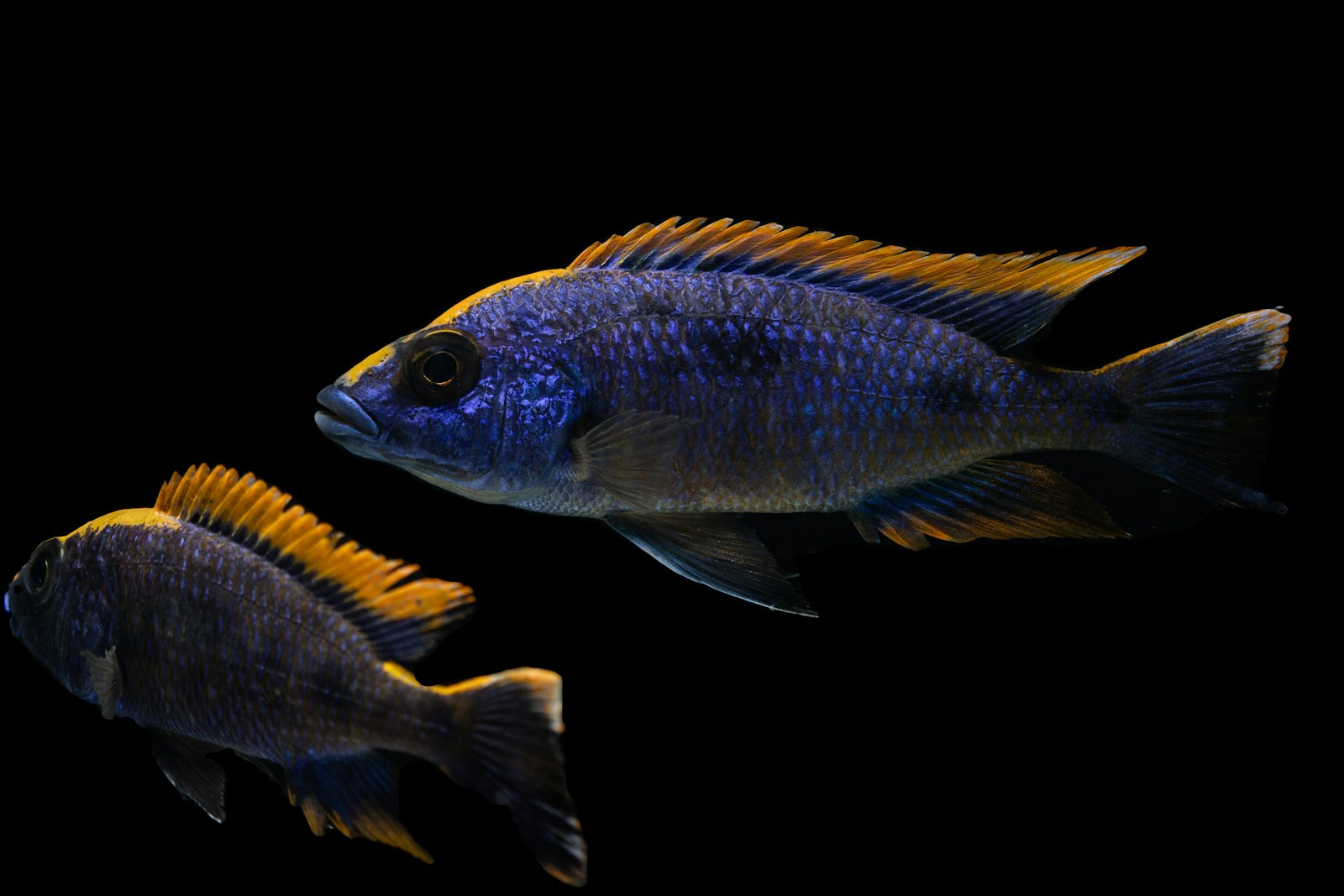
The best flake food for African cichlids depends on which African cichlids you keep. Mbuna and other algae grazers do best on spirulina or vegetable-based flakes. Peacocks, haps, and other meat-leaning species suit a fish- and shrimp-based cichlid flake. Buying by the word “cichlid” on the tub alone is how many feeding problems start.

First, Know Which African Cichlids You Have
- Mbuna (rock-dwelling Lake Malawi cichlids such as yellow labs, zebras, and demasoni) spend their day scraping algae and the tiny animals living in it off rocks. They need a plant-heavy diet.
- Peacocks (Aulonocara) pick small invertebrates out of the sand, and many haps hunt invertebrates or small fish. They handle more animal protein.
- Lake Tanganyika cichlids vary widely. Tropheus are strict algae grazers, while many others eat small crustaceans.
In a mixed tank, most keepers feed for the most sensitive grazers: a vegetable-based staple, with richer foods as a small extra.
What to Look For in a Flake
- Algae near the top of the list for grazers. Spirulina and kelp are the usual ones.
- Named seafood proteins such as salmon, herring, krill, or shrimp.
- The guaranteed analysis. Compare protein, fat, and fiber between tubs instead of trusting the front label.
- The right form for the fish. Flakes suit juveniles and small to medium fish that feed at the surface and mid-water. Large adults often do better on pellets, because they have to eat a lot of flake to fill up and the leftovers foul the water.
Flake Foods Worth a Look
| Flake | Main ingredients | Protein (min) | Best for |
|---|---|---|---|
| Zoo Med Spirulina 20 | 20% spirulina, salmon fish meal | See tub | Mbuna and other algae grazers |
| Cobalt Aquatics Spirulina Flakes | Spirulina-based, salmon meal, probiotics | See tub | Mbuna and other herbivores |
| Omega One Cichlid Flakes | Salmon, whole herring, shrimp, kelp, spirulina | 39% | Omnivores, peacocks, haps |
| TetraCichlid Flakes | Fish meal, brown rice, yeast, shrimp meal | 48% | Meat-leaning top and mid-water feeders |
Recipes change, so check the label on the tub you buy.
Zoo Med Spirulina 20
Made with 20% spirulina algae plus salmon fish meal, and sold specifically for African cichlids and other algae-eating fish. Zoo Med describes it as a natural color enhancer for daily feeding. It is a sensible staple for mbuna.
Cobalt Aquatics Spirulina Flakes
A spirulina-based formula for herbivorous freshwater and marine fish, African cichlids included. It contains added probiotics, and Cobalt says it will not cloud the water when fed as directed.
Omega One Cichlid Flakes
Salmon and whole herring are the first two ingredients, with kelp and spirulina further down. The label guarantees at least 39% protein and 12% fat. This is a good all-round flake for omnivorous cichlids, peacocks, and smaller haps. For mbuna, use it alongside a spirulina flake, not instead of one.
TetraCichlid Flakes
A large flake for top and mid-water feeding cichlids, easy to find in most pet stores. Fish meal comes first, and the label guarantees at least 48% protein with a maximum of 2% fiber. That profile fits meat-leaning cichlids better than strict grazers.
What About Pellets?
Several foods often recommended alongside flakes are actually pellets. They are worth knowing about once your fish grow:
- Hikari Cichlid Excel is a floating pellet for herbivorous cichlids with spirulina, wheat germ, and alfalfa (at least 35% protein).
- NorthFin Cichlid Formula lists krill, herring, and sardine meals first, followed by kelp and spirulina (at least 40% protein), with no artificial pigments.
If color is your goal, see our guide to the best African cichlid food for color.
How to Feed Flakes
- Feed small amounts twice a day. Mbuna are grazers and do better with two light meals than one big one.
- Offer only what is eaten in a minute or two. Uneaten food breaks down and pollutes the water.
- Crush flakes for juveniles so the smallest fish get a share.
- Do not rely on dry food alone. Grazers enjoy fresh vegetables such as cucumber, spinach, or softened lettuce.
- Add variety now and then. Frozen brine shrimp, mysis, or daphnia make a good occasional extra.
- Keep the tub sealed, cool, and dry. Buy a size you will finish within a few months.
Foods to Avoid
- Beef heart, hamburger, and other mammal meat. These are not suitable for African cichlids.
- Heavy feeding of bloodworms or tubifex to mbuna. Rich, high-protein foods are widely linked with Malawi bloat in grazing species.
- Feeder fish. They can carry disease into the tank. Our article on feeder fish explains the risks.
Watch for Malawi Bloat
Malawi bloat is a serious digestive illness often tied to the wrong diet. Warning signs include:
- A fish that stops eating or spits food out.
- A swollen belly.
- Long, stringy white droppings.
- Hiding or breathing hard.
Bloat can kill quickly. If you see these signs, check your water quality and contact an aquatic veterinarian or an experienced fish store right away.
This article is general information, not veterinary advice.
Bottom Line
For mbuna and other algae grazers, make a spirulina flake such as Zoo Med Spirulina 20 or Cobalt Spirulina Flakes the staple. For peacocks, haps, and other omnivores, Omega One Cichlid Flakes or TetraCichlid Flakes are solid everyday choices. Feed lightly twice a day, add fresh greens for grazers, and move larger fish onto pellets as they grow. For more on bringing out reds and yellows, read our guide to color-enhancing food for cichlids.